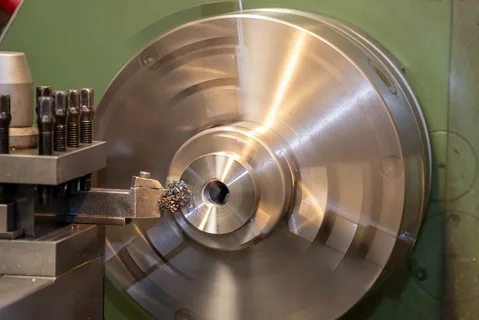
In modern manufacturing, achieving the right dimensions is critical to product performance and quality. One of the most important concepts in precision machining is cnc machine tolerance. Whether you are an engineer designing aerospace components or a product designer creating consumer products, understanding how tolerances affect manufacturing can save time, reduce costs, and improve part functionality.
CNC machining allows manufacturers to produce highly accurate parts, but no process can achieve perfect dimensions every time. Instead, every part is produced within a defined acceptable range. This range is known as cnc machine tolerance. By specifying realistic tolerances, engineers and designers ensure that parts fit properly without unnecessarily increasing machining complexity and cost.
Understanding CNC Machine Tolerance Basics
CNC machine tolerance refers to the permissible variation in a part’s dimensions from its nominal value. For example, if a shaft diameter is specified as 10.00 mm ±0.05 mm, any diameter between 9.95 mm and 10.05 mm is acceptable. This controlled variation ensures that parts function as intended.
Tolerance is critical because every manufacturing process has slight deviations caused by tool wear, machine vibration, material expansion, and environmental conditions. CNC machines are highly precise, but even the best equipment operates within practical limits.
Key Tolerance Terms
- Nominal Dimension: The target size of the feature
- Upper Limit: Maximum acceptable size
- Lower Limit: Minimum acceptable size
- Tolerance Range: Difference between upper and lower limits
- Bilateral Tolerance: Variation allowed in both directions
- Unilateral Tolerance: Variation allowed in one direction only
By understanding these terms, designers can communicate effectively with machinists and manufacturers.
Choosing Practical Tolerances for Your Design
One of the most valuable tips for engineers is to avoid over-specifying tolerances. Tighter tolerances demand slower machining, more inspections, and increased tooling costs. Unless the feature directly impacts performance, standard tolerances are usually sufficient.
A common general tolerance for CNC-machined parts is ±0.1 mm. More critical dimensions may require ±0.01 mm or tighter, but these should only be applied where necessary. Thoughtful tolerance selection balances precision and cost.
Recommended Tolerance Guidelines
- General dimensions: ±0.1 mm
- Mating parts: ±0.02 mm to ±0.05 mm
- Press fits: ±0.005 mm to ±0.02 mm
- Aerospace and medical parts: ±0.002 mm to ±0.01 mm
- Cosmetic features: ±0.1 mm or looser
Applying realistic cnc machine tolerance values can significantly reduce manufacturing expenses while maintaining product reliability.
Designing Parts That Are Easier to Machine
Good design for manufacturability (DFM) starts with understanding the limitations of CNC equipment. Sharp internal corners, deep cavities, and thin walls can make it difficult to maintain consistent tolerances. Simplifying geometry helps machinists achieve greater accuracy.
For example, internal corners should include radii that match standard cutting tools. Similarly, wall thickness should be sufficient to prevent vibration and deflection during machining. These considerations improve dimensional stability and reduce scrap.
Design Tips for Better Tolerance Control
- Use standard drill and end mill sizes
- Avoid unnecessarily deep pockets
- Add corner radii instead of sharp edges
- Maintain wall thickness above 0.8 mm for metals
- Limit part length-to-diameter ratios
- Use symmetry to reduce setup errors
When parts are designed with manufacturability in mind, maintaining precise cnc machine tolerance becomes much easier.
Material Selection and Its Effect on Tolerance
Different materials respond differently to machining. Aluminum is easy to machine and holds tight tolerances well. Stainless steel is more difficult due to hardness and heat generation. Plastics can expand or deform, making tolerance control more challenging.
Material properties such as thermal expansion, hardness, and internal stress can influence dimensional consistency. Engineers should account for these characteristics when specifying tolerances and selecting materials.
Material Considerations
- Aluminum: Excellent machinability and stable tolerances
- Stainless Steel: Strong but prone to tool wear
- Titanium: Tight tolerances possible, but expensive
- ABS Plastic: Good for prototypes but may warp
- Delrin (POM): Highly stable and precise
- Brass: Easy to machine with excellent accuracy
Choosing the right material supports consistent cnc machine tolerance and improves final part performance.
Working with Manufacturers to Optimize Tolerances
Successful projects depend on collaboration between designers and CNC machining providers. Early communication allows manufacturers to suggest design modifications and recommend cost-effective tolerance strategies.
Sharing functional requirements is especially important. Instead of applying tight tolerances to every feature, identify which dimensions are critical and which can remain standard. This helps machinists focus precision where it matters most.
Questions to Ask Your Manufacturer
- What standard tolerances do you typically hold?
- Which features require tighter control?
- Are there design changes that reduce cost?
- What inspection methods will be used?
- How does material choice affect precision?
- Can GD&T improve the design specification?
Strong collaboration ensures that cnc machine tolerance requirements are practical and aligned with manufacturing capabilities.
Conclusion
Understanding cnc machine tolerance is essential for engineers and product designers who want to create functional, manufacturable, and cost-effective parts. Tolerance determines how much a part dimension can vary while still meeting design requirements. Specifying realistic tolerances helps reduce machining costs and improve production efficiency.
By learning the fundamentals of tolerance, choosing practical limits, designing for manufacturability, selecting suitable materials, and collaborating with manufacturers, professionals can optimize both performance and budget. Mastering cnc machine tolerance leads to better products, smoother production, and greater confidence in every design.