In recent years, oxygen-based therapies have moved from hospital-only settings into wellness clinics and even home use. One of the most talked-about innovations is the portable hyperbaric oxygen chamber, which allows users to experience pressurized oxygen therapy outside of traditional medical facilities. This shift has made hyperbaric oxygen therapy more accessible for recovery, performance, and chronic condition support.
In the United States, wellness clinics in states like California, Texas, and Florida have reported growing demand for mild HBOT sessions, especially among athletes and people recovering from injuries. According to market insights from industry health reports, the global hyperbaric oxygen therapy market is projected to grow at over 7% CAGR through 2030, driven largely by portable systems.
However, many people still do not fully understand how these systems work or what makes them different from hospital-grade chambers. This guide breaks it down using simple explanations, real examples, and practical insights.
Problem: Why People Are Searching for Better Recovery Solutions
Modern lifestyles are creating more stress on the body than ever before. Long work hours, sports injuries, post-surgery recovery, and chronic fatigue are pushing people to search for faster healing methods. Traditional recovery methods like rest and medication often take time and do not always deliver consistent results.
In the United States alone, musculoskeletal injuries account for nearly 70 million physician visits annually, according to CDC-related health data. Many of these patients explore alternative recovery methods when standard care feels slow or incomplete. This is where oxygen-based therapy becomes appealing.
The challenge is accessibility. Hospital portable hyperbaric oxygen chamber are expensive, time-limited, and often restricted to severe medical conditions like carbon monoxide poisoning or diabetic wounds. This leaves a gap for people who need mild but consistent therapy options at home or in clinics.
Agitation: The Gap Between Need and Availability
The demand for faster recovery is growing, but access remains limited. Many wellness clinics in cities like Los Angeles and Miami report waiting lists for HBOT sessions. A single hospital session can cost between $200 and $1,500 depending on treatment type, making long-term therapy unrealistic for many people.
Athletes, biohackers, and even aging populations are now looking for more flexible solutions. This is where the idea of a portable hyperbaric oxygen chamber becomes important. It offers a way to bring pressurized oxygen therapy into homes or smaller clinics without the infrastructure of a hospital.
Some users initially invest in devices like the macy pan hyperbaric oxygen chamber because it is widely discussed in wellness communities and often used in private recovery setups. However, confusion remains about how safe and effective these systems are compared to medical-grade units.
Solution: Understanding How Mild HBOT Actually Works
A portable hyperbaric oxygen chamber is designed to increase atmospheric pressure around the body while the user breathes concentrated oxygen. Under normal conditions, oxygen is carried by red blood cells. But under pressure, oxygen dissolves more effectively into plasma, allowing it to reach tissues more efficiently. This pressure principle is based on gas laws, which explain how oxygen behaves under controlled environments. In mild HBOT, pressure levels are typically between 1.3 and 1.5 ATA (atmospheres absolute), which is lower than hospital-grade chambers that may reach 2.0 to 3.0 ATA.
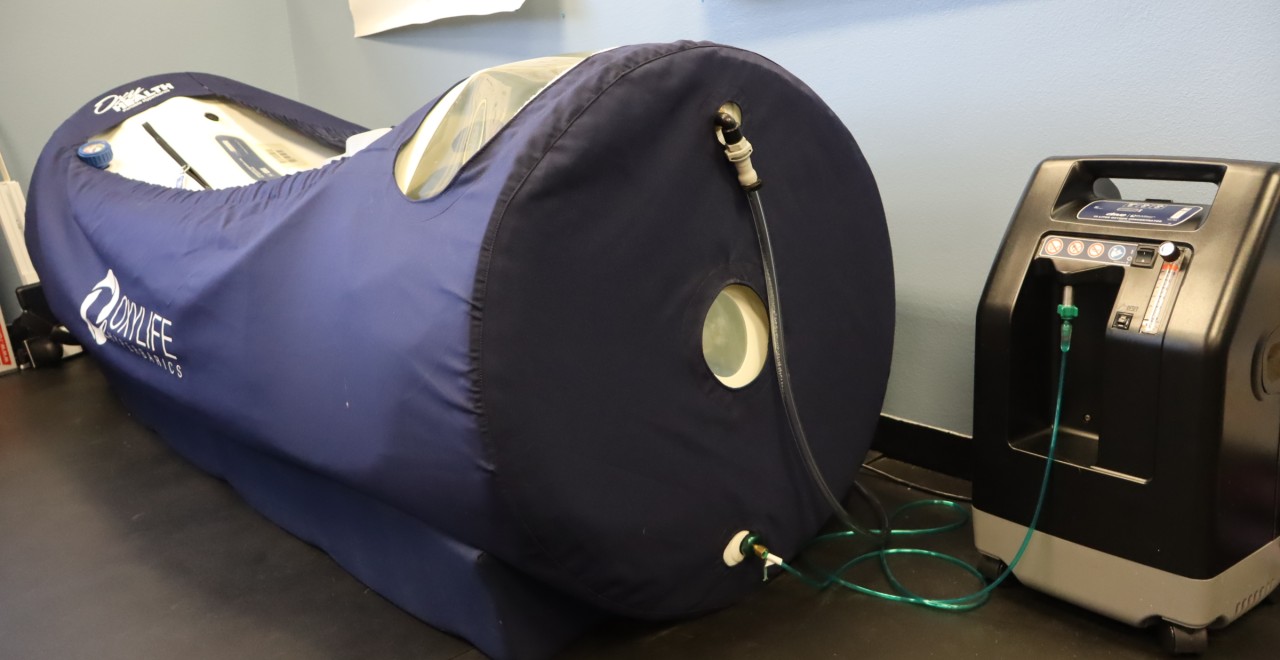
A typical portable hyperbaric oxygen chamber uses an air compressor system that gently pressurizes the sealed chamber. Oxygen concentrators may be connected to increase oxygen purity levels. The user simply lies inside the chamber for sessions that usually last 60 to 90 minutes. In clinical wellness settings across the USA, this method is being used for fatigue recovery, post-exercise muscle repair, and general wellness support. Studies published in journals like Undersea & Hyperbaric Medicine suggest that even mild pressure increases oxygen diffusion in tissues, which may support healing processes.
How the Technology Works Inside a Portable System
The internal mechanism of a portable hyperbaric oxygen chamber includes a pressure control system, airtight zippers, and transparent medical-grade materials like reinforced PVC. These chambers are designed to maintain a stable low-pressure environment without requiring hospital infrastructure. Inside the chamber, oxygen concentration increases as pressure builds. This allows more oxygen molecules to dissolve into blood plasma rather than relying only on hemoglobin. The result is improved oxygen delivery to tissues that may have reduced circulation.
Some advanced systems, including versions of the macy pan hyperbaric oxygen chamber are used in private wellness clinics in states like Arizona and Nevada. These systems are often chosen for their balance between affordability and performance in non-critical therapy environments. Users typically report feeling mild ear pressure similar to airplane takeoff, but the environment remains comfortable and breathable. Safety valves automatically regulate pressure to prevent over-compression.
Real-World Use Cases and USA Examples
In the United States, athletes from sports like football, basketball, and mixed martial arts are increasingly using mild HBOT as part of recovery routines. For example, recovery centers in California have integrated chamber sessions into post-training recovery programs. A well-documented case involves a rehabilitation clinic in Texas that reported faster recovery times for patients with sports injuries when using oxygen therapy alongside physical therapy. Patients showed improved mobility within weeks compared to traditional rest-only approaches.
The macy pan hyperbaric oxygen chamber has also been used in private wellness centers in Florida, where clients include older adults managing fatigue and inflammation. While not a replacement for medical treatment, it is often used as a supportive therapy. According to wellness industry surveys, over 40% of premium recovery centers in major US cities now offer some form of hyperbaric oxygen therapy, showing how mainstream this technology is becoming.
Safety, Misconceptions, and Practical Considerations
While a portable hyperbaric oxygen chamber offers convenience, it is important to understand its limitations. Mild HBOT is not a cure for diseases and should not replace medical treatment. It is best viewed as a supportive wellness tool. One common misconception is that more pressure equals better results. In reality, mild HBOT is designed to stay within safe limits. Higher pressure treatments must be supervised in medical facilities due to risks like oxygen toxicity.
Devices like the macy pan hyperbaric oxygen chamber are often marketed in wellness spaces, but users should always verify certification, material safety, and pressure accuracy before purchase. In the USA, FDA-cleared devices are recommended for clinical use. Personal observation from wellness practitioners suggests that consistency matters more than intensity. Regular sessions tend to show better results in recovery and energy levels than occasional high-pressure use.
Conclusion
The growing popularity of the portable hyperbaric oxygen chamber reflects a larger shift toward at-home wellness technology. People want recovery solutions that are accessible, flexible, and science-based. While it is not a replacement for medical care, mild HBOT is becoming a useful tool in recovery and performance support. As research continues, more clinics in the United States are expected to adopt systems like the macy pan hyperbaric oxygen chamber for non-critical wellness applications. The combination of oxygen science and portable engineering is shaping a new category of personal health technology.
In the coming years, the portable hyperbaric oxygen chamber may become as common in wellness spaces as treadmills are in gyms. Its role in supporting recovery, energy, and overall well-being is still being explored, but the current momentum clearly shows strong demand and growing trust in oxygen-based therapy solutions.