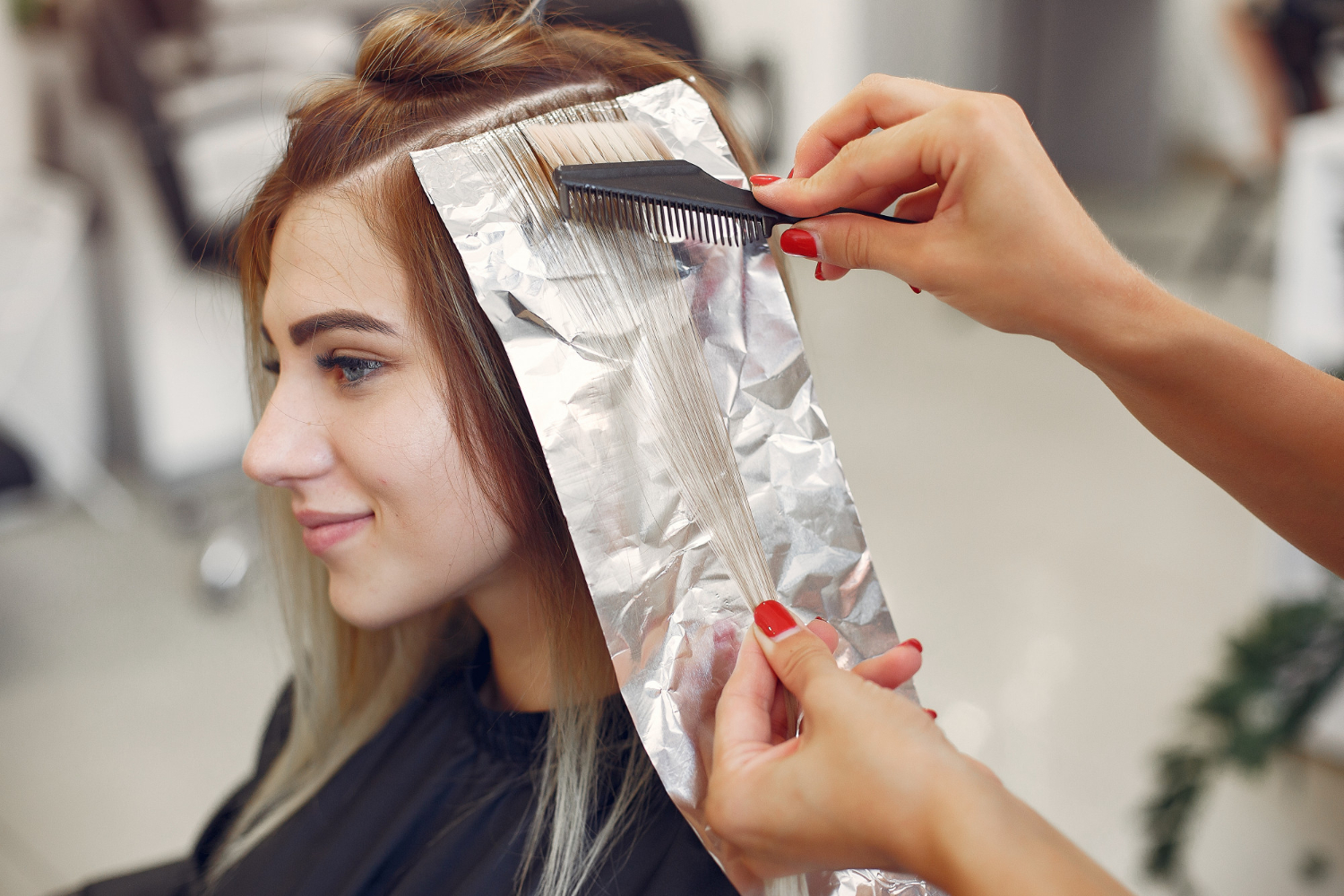
For decades, the standard for changing one’s hair color involved a harsh, chemical-heavy process that left many individuals with brittle strands, itchy scalps, and a pungent odor that lingered for days. Today, the global beauty industry is undergoing a massive shift. Consumers are no longer willing to sacrifice the health of their hair for a new shade. This has led to the rise of the “clean beauty” movement, with ammonia free hair colour becoming the most requested service in salons and the fastest-growing category in retail.
At the forefront of this natural revolution is a plant that has been used for over 5,000 years: Henna. In South Africa, brands like Glory have modernized this ancient ritual, offering a bridge between traditional herbal wisdom and modern convenience. In this guide, we explore why moving away from ammonia is the best decision for your hair and how the vibrant palette of glory henna colors can transform your look while strengthening your locks.
The Problem with Ammonia: Why Your Hair is Suffering
To understand the benefits of ammonia-free coloring, we must first understand what ammonia actually does. In traditional permanent hair dyes, ammonia is an alkaline chemical used to raise the pH level of the hair. This action opens the hair cuticle (the outer protective layer), allowing the color molecules to penetrate deep into the cortex.
While effective at depositing color, this process is inherently destructive. Opening the cuticle so aggressively:
- Depletes Moisture: Once the cuticle is forced open, the hair loses its ability to retain natural oils, leading to chronic dryness.
- Weakens the Protein Structure: Ammonia breaks down the keratin bonds that give hair its strength, resulting in split ends and breakage.
- Causes Scalp Irritation: Many people suffer from “chemical burns” or allergic reactions due to the caustic nature of ammonia.
By choosing an ammonia-free path, you are choosing to keep the structural integrity of your hair intact.
The Henna Alternative: Nature’s Protective Glaze
Unlike chemical dyes that work from the inside out by breaking into the hair, Henna works from the outside in. Henna (Lawsonia inermis) contains a natural tannin molecule called lawsone. This molecule has an affinity for keratin, the protein that makes up your hair.
When you apply henna, the color molecules bind to the hair’s cuticle, creating a translucent protective glaze. Think of it as a deep-conditioning treatment that just happens to leave a stunning tint behind. Because it coats the hair rather than stripping it, henna-dyed hair often feels thicker, looks shinier, and is more resistant to environmental damage like sun and wind.
Exploring the Spectrum: The Glory Henna Color Range
One of the biggest myths surrounding henna is that it only produces a bright orange or “carrot” red. While pure henna is indeed red, modern herbal formulations have mastered the art of blending henna with other botanicals like Indigo and Amla to create a diverse range of natural shades.
1. Rich Black and Dark Brown
For those looking for a deep, sophisticated look, the darker Glory shades offer incredible depth. Unlike chemical black dyes that can look “flat” or “inky,” henna-based blacks and browns interact with your natural highlights, providing a multi-dimensional finish that looks authentic.
2. Vibrant Burgundy and Red
If you want to embrace the traditional power of henna, the red and burgundy shades provide a glow that chemical dyes simply cannot replicate. These shades are particularly striking in the sunlight, where the translucent nature of the henna allows the light to reflect through the hair fibers.
3. Warm Chestnut
Perfect for those who want a subtle change, the chestnut tones add warmth and “life” to dull or mousy hair without the commitment of a radical color change.
How to Transition to Ammonia-Free Henna
If you have been using chemical dyes for years, transitioning to henna requires a bit of strategy. Here are the steps to ensure a flawless switch:
Step 1: The Detox Phase
Wait at least 4 to 6 weeks after your last chemical treatment before applying henna. This allows the hair to settle and prevents any unexpected chemical reactions between the synthetic residue and the natural plant pigments.
Step 2: The Strand Test
Because henna is translucent, the final color is a combination of the henna pigment and your underlying hair color. Always test the mixture on a small, hidden section of hair first to see how the color develops.
Step 3: Application Technique
Henna is a thick, earthy paste. To get the best results, apply it generously to clean, dry hair. Section your hair meticulously to ensure every strand is coated. Unlike chemical dyes that only need 20 minutes, henna benefits from a longer “dwell time”—usually between 30 and 60 minutes—to allow the lawsone molecules to bind effectively.
The Long-Term Benefits of an Ammonia-Free Lifestyle
The true magic of switching to an ammonia-free hair color brand like Glory is seen over time.
- Scalp Health: Without the constant irritation of ammonia, many users find that issues like dandruff and “itchy scalp syndrome” disappear.
- Frizz Control: Because the hair cuticle remains flat and smooth, frizz is significantly reduced, and the hair develops a natural, mirror-like shine.
- Gray Management: Henna is excellent for blending grays. Instead of a solid, “painted-on” look, henna turns grays into natural-looking highlights that camouflage the regrowth line as your hair grows out.
Conclusion: Embodying Natural Beauty
In 2026, beauty is no longer defined by how much we can change ourselves, but by how well we can care for ourselves. Choosing ammonia-free hair colour is a powerful statement of self-love. It is a decision to protect your body’s natural chemistry while still enjoying the creative expression of color.
With the Glory Henna range, you don’t have to choose between a vibrant look and a healthy scalp. You can have both. By embracing the botanical power of henna, you are joining a global community of women and men who are reclaiming their hair’s natural strength, one shade at a time.
Frequently Asked Questions (FAQ)
1. Can I use henna if I have more than 50% gray hair?
Yes! Henna is an excellent solution for gray hair. On grays, henna acts like a “watercolor” stain. The darker shades will provide deep coverage, while the lighter reds will turn grays into vibrant highlights. For the best coverage on stubborn grays, leave the paste on for the full recommended 60 minutes.
2. Does ammonia-free hair color last as long as permanent dye?
Henna is actually more permanent than many chemical “permanent” dyes. Because the lawsone molecule binds so tightly to the keratin, it does not wash out easily. While the vibrancy may mellow over time, the color remains until the hair grows out.
3. Will henna make my hair feel dry?
Immediately after rinsing, your hair might feel a bit “stiff” because of the herbal residue. However, once you apply a good conditioner and your hair dries, you will notice it feels much stronger and smoother. Henna is actually a protein treatment that fills in the gaps in damaged hair.
4. Can I go from black hair to blonde using henna?
No. Henna does not contain bleach or ammonia, so it cannot “lift” or lighten your hair. It can only add color on top of your existing shade. If you have dark hair, henna will add a rich tint and shine but will not make it lighter.
5. Is Glory Henna safe for pregnant women?
Many doctors recommend switching to ammonia-free, plant-based dyes like henna during pregnancy to avoid inhaling harsh chemical fumes. However, always consult with your healthcare provider before starting any new beauty routine during pregnancy.
6. How do I get the henna paste out of my hair easily?
The best way to rinse henna is to “bucket rinse” or use a lot of conditioner. Apply a cheap, silicone-free conditioner to your hair while it’s still full of paste; this helps the herbal particles slip off the hair strands without excessive scrubbing.