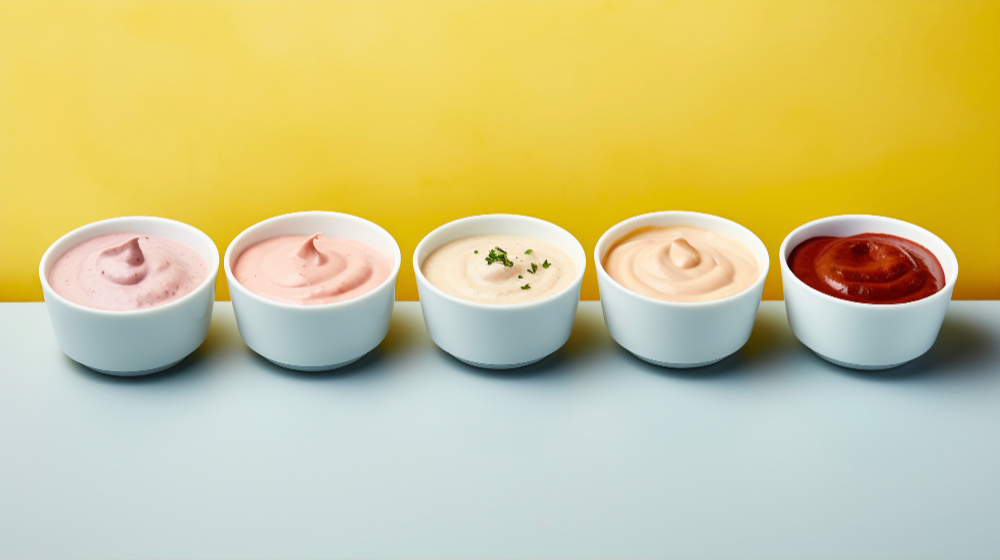
Great cooking is not just about recipes—it’s about how you build flavor from the ground up. Two of the most important foundations in any kitchen are cooking sauces and bulk spices. These ingredients transform simple meals into rich, aromatic, and memorable dishes that taste like they came straight from a professional kitchen.
Whether you’re preparing quick weeknight meals, meal-prepping for the week, or cooking for family and guests, mastering sauces and spices gives you control over taste, aroma, and depth. In this guide, we’ll explore how cooking sauces work, why bulk spices are so valuable, how to combine them effectively, and how to elevate everyday cooking using simple pantry upgrades.
For quality ingredients that bring consistency and bold flavor to your meals, many home cooks rely on trusted suppliers like cooking sauces and seasoning products designed for everyday and professional use.
What Are Cooking Sauces?
Cooking sauces are prepared liquid or semi-liquid flavor bases used during cooking or finishing dishes. They are designed to add depth, moisture, and complexity to food without requiring long preparation time.
They are commonly used in:
- Stir-fries
- Curries
- Pasta dishes
- Grilled meats
- Roasted vegetables
- Slow-cooked meals
Cooking sauces act as the “flavor backbone” of many recipes, helping blend ingredients into a unified taste experience.
Why Cooking Sauces Are Essential in Modern Kitchens
Cooking sauces have become a staple in both home and professional kitchens because they simplify cooking while improving flavor.
1. Time-saving convenience
Instead of building flavor from scratch, sauces provide a ready-made base.
2. Consistent taste
They help maintain consistent flavor across multiple dishes.
3. Versatility
One sauce can be used in multiple recipes—marinades, dips, or cooking bases.
4. Enhanced texture
Sauces add moisture and richness to otherwise dry ingredients.
5. Global flavor options
From Asian stir-fry sauces to Mediterranean blends, sauces bring world cuisine into your kitchen.
Many foodservice kitchens rely on bulk sauces and pre-made bases for consistency and efficiency in cooking.
Types of Cooking Sauces You Should Know
Tomato-based sauces
Used in pasta, pizza, and stews. Rich and tangy, they form the base of many comfort foods.
Cream-based sauces
Smooth and rich, often used in pasta dishes and chicken recipes.
Soy-based sauces
Common in Asian cooking, adding salty umami depth.
Spicy sauces
Chili-based sauces add heat and intensity to dishes.
BBQ and smoky sauces
Perfect for grilled meats and slow cooking.
Cooking sauces are widely used in both home kitchens and commercial food preparation due to their versatility and ability to enhance flavor quickly.
What Are Bulk Spices?
Bulk spices are larger quantities of dried herbs, seeds, powders, and seasoning blends purchased in bigger volumes instead of small retail jars.
They include:
- Paprika
- Cumin
- Turmeric
- Black pepper
- Garlic powder
- Chili flakes
- Cinnamon
- Mixed spice blends
Spices are the foundation of global cooking traditions and play a key role in defining regional flavors.
Why Bulk Spices Are Better Than Small Packets
1. Cost efficiency
Buying in bulk reduces cost per gram significantly.
2. Better freshness control
You can store spices properly and use them before they lose potency.
3. Ideal for frequent cooking
If you cook often, small jars run out quickly.
4. Better flavor customization
You can mix your own spice blends for unique recipes.
5. Reduced packaging waste
Bulk buying is more environmentally friendly.
Many home cooks and chefs prefer bulk spice sourcing from specialty stores and wholesalers due to quality and price advantages.
The Relationship Between Cooking Sauces and Bulk Spices
Cooking sauces and bulk spices are not separate—they work together.
Spices build the base flavor
Spices create depth, aroma, and heat.
Sauces bring it together
Sauces combine spices into a cohesive dish.
Example:
- Garlic + paprika + cumin (spices)
- Tomato sauce (base)
- Result: rich pasta or curry sauce
Together, they create layered flavor profiles that are impossible to achieve with one ingredient alone.
How to Use Cooking Sauces Effectively
As a marinade
Sauces can tenderize and flavor meat before cooking.
As a cooking base
Add sauces to pan-cooked or slow-cooked meals.
As a finishing glaze
Brush sauces onto grilled meats or vegetables for extra flavor.
As a dipping sauce
Serve alongside snacks or fried foods.
How to Use Bulk Spices for Maximum Flavor
1. Toast spices before cooking
This releases natural oils and enhances aroma.
2. Layer spices during cooking
Add some early and some later for deeper flavor.
3. Store properly
Keep spices in airtight containers away from heat and light.
4. Create custom blends
Mix cumin, coriander, paprika, and chili for a personal seasoning blend.
5. Match spices with cuisine types
- Italian: oregano, basil, garlic
- Indian: turmeric, cumin, garam masala
- Mexican: chili powder, paprika, cumin
- Middle Eastern: sumac, cinnamon, coriander
Popular Cooking Sauce and Spice Combinations
BBQ chicken rub + smoky sauce
Perfect for grilling and roasting.
Garlic spice mix + creamy sauce
Great for pasta and chicken dishes.
Chili spices + tomato sauce
Ideal for curries and stews.
Herb blends + olive oil sauce
Best for roasted vegetables and Mediterranean dishes.
Health and Nutritional Benefits of Spices
Spices are not just flavor enhancers—they also provide health benefits.
Many spices contain:
- Antioxidants
- Anti-inflammatory compounds
- Digestive support properties
For example:
- Turmeric is known for anti-inflammatory effects
- Garlic supports immune health
- Cinnamon may help regulate blood sugar
Spices have long been studied for their role in health-focused diets and traditional medicine systems.
Common Mistakes When Using Sauces and Spices
Overusing spices
Too much can overpower a dish.
Adding sauces too early
Some sauces should be added at the end to preserve flavor.
Not balancing flavors
Good cooking needs sweet, salty, sour, and spicy balance.
Poor storage habits
Old spices lose potency and affect taste.
Using low-quality sauces
Artificial or overly processed sauces can reduce food quality.
How to Build a Flavorful Pantry
A strong kitchen starts with a good foundation:
Essential sauces
- Tomato sauce
- Soy sauce
- Chili sauce
- BBQ sauce
- Cream-based sauce
Essential bulk spices
- Garlic powder
- Cumin
- Paprika
- Black pepper
- Turmeric
- Chili flakes
With these basics, you can create hundreds of different meals.
Why Home Cooks Prefer Bulk Ingredients Today
Modern cooking trends show that more people are shifting toward bulk ingredients for convenience, cost savings, and quality control. This includes spices, grains, and sauces used in everyday cooking.
Bulk ingredients also support:
- Meal prepping
- Batch cooking
- Restaurant-style home cooking
- Reduced grocery frequency
Conclusion
Cooking sauces and bulk spices are the backbone of flavorful cooking. While sauces bring richness, moisture, and convenience, spices create depth, aroma, and complexity. When used together, they transform basic ingredients into powerful, restaurant-quality meals.
By learning how to balance and layer these elements, any home cook can dramatically improve their cooking results. Whether you’re preparing quick meals or experimenting with global cuisines, these two essentials give you complete control over flavor.
For reliable and consistent cooking results, many kitchens rely on trusted sources like cooking sauces and bulk spices to keep their pantry stocked with quality ingredients.
Frequently Asked Questions (FAQs)
1. What is the difference between cooking sauces and spices?
Cooking sauces are liquid flavor bases used in dishes, while spices are dry ingredients used to season and build flavor.
2. Why should I buy spices in bulk?
Bulk spices are more cost-effective, last longer when stored properly, and allow you to cook more frequently without running out.
3. Can I mix cooking sauces with spices?
Yes, combining both creates deeper and more complex flavors in dishes.
4. How long do bulk spices last?
Most spices stay fresh for 6–24 months depending on storage conditions.
5. What are the most essential spices for beginners?
Garlic powder, cumin, paprika, black pepper, and chili flakes are great starting points.
6. Are cooking sauces healthy?
They can be, but it depends on ingredients. Homemade or high-quality sauces are generally healthier than heavily processed options.