Families across the United States are facing a major challenge as more seniors choose to age at home instead of moving into assisted living facilities. According to the U.S. Census Bureau, adults over the age of 65 are expected to make up more than 20% of the American population by 2030. This shift has increased the need for reliable in-home support that helps older adults stay independent while receiving the attention they need. Many families now prefer care at home because it offers comfort, flexibility, and a familiar environment.
At the same time, many people still struggle to understand the difference between skilled medical care and non-medical assistance. Families often wait too long before asking for help because they think in-home support is only for people with severe illnesses. In reality, professional in-home care can support recovery after surgery, help manage long-term conditions, and provide daily living assistance that improves quality of life. Knowing how these services work can help families make better decisions before stress and burnout take over.
I have personally seen how professional caregivers can reduce pressure on family members while giving seniors a better daily routine. A close family friend in Michigan cared for her father after a stroke, and the support from trained caregivers changed everything for their household. Instead of worrying about transportation, medication reminders, and mobility support every day, the family finally had a structured plan. Experiences like these show why understanding in-home care is more important now than ever.
Understanding Skilled Home Care and Why It Matters
Many people hear the word “skilled care” and assume it only applies to hospital-level treatment. Skilled care actually refers to medical assistance provided by licensed professionals such as registered nurses, physical therapists, occupational therapists, and speech therapists. These services are usually recommended after surgery, illness, injury, or hospitalization. The goal is to help patients recover safely while avoiding unnecessary hospital readmissions.
One of the biggest problems families face is managing complex medical tasks without professional guidance. A patient recovering from hip replacement surgery may need wound care, medication management, mobility training, and blood pressure monitoring. Without proper support, recovery can slow down, and complications can increase. Skilled caregivers provide structured treatment plans that help patients regain independence while staying in a comfortable environment.
Research from the Centers for Medicare & Medicaid Services shows that patients receiving professional in-home recovery support often experience lower readmission rates compared to patients without follow-up care. This is especially important for seniors managing conditions such as diabetes, heart disease, or chronic respiratory illness. Timely care at home can help identify problems early before they turn into emergencies.
Families looking into home health care services programs often discover that skilled care is available for both short-term and long-term situations. In many cases, doctors recommend these services after a hospital discharge because recovery at home is more affordable and emotionally easier for patients. Skilled professionals also work closely with physicians to track progress and adjust care plans when necessary.
The Growing Need for Non-Medical In-Home Support
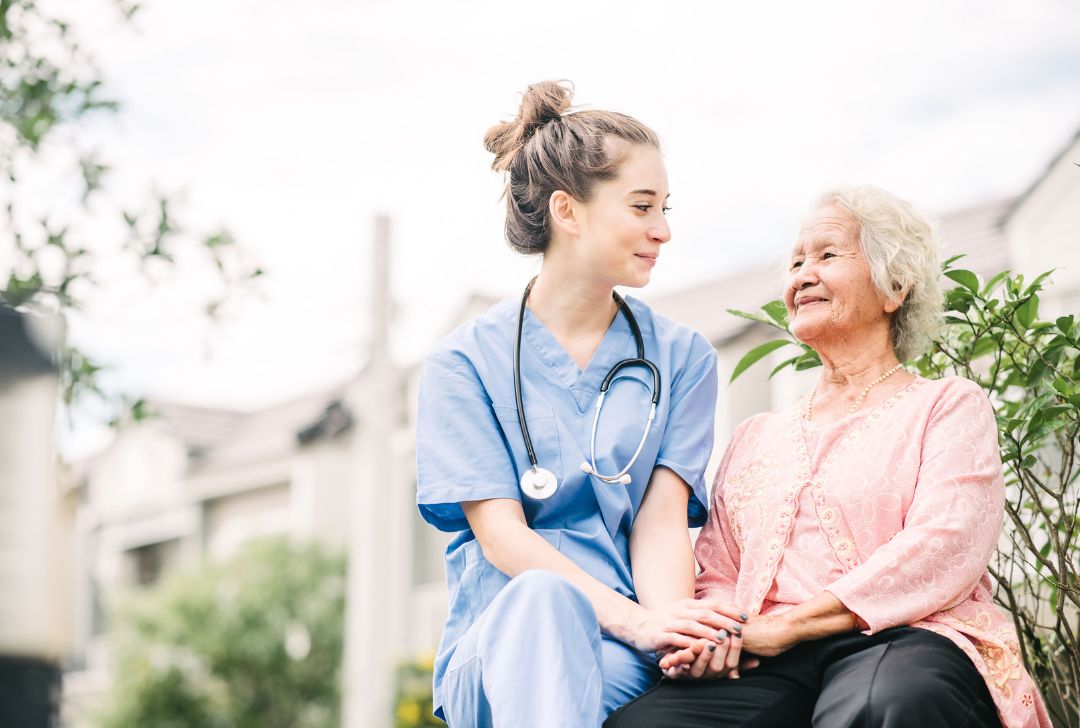
Not every senior needs medical treatment every day, but many still require assistance with regular activities. Non-medical caregivers help with bathing, meal preparation, dressing, transportation, housekeeping, and companionship. These tasks may sound simple, but they have a direct impact on safety, nutrition, and emotional well-being. Seniors who struggle alone often face isolation, falls, poor eating habits, and depression.
The emotional side of aging is something families often underestimate. Older adults who lose mobility or stop driving may begin feeling disconnected from their community. A caregiver who visits regularly can provide social interaction and structure that helps seniors stay engaged. During the COVID-19 pandemic, many families realized how quickly isolation can affect mental and physical health.
A report from AARP found that nearly 77% of adults over 50 want to remain in their homes as they age. However, staying at home becomes difficult without proper support. Non-medical caregivers bridge that gap by helping seniors maintain routines without losing their independence. This support can also delay or prevent the need for nursing home placement.
I once spoke with a caregiver who worked with an elderly veteran living alone in Detroit. The client did not require daily medical attention, but he needed help with grocery shopping, cleaning, and transportation to appointments. Over time, regular companionship improved his mood and confidence. Stories like this show that care is not only about medicine. It is also about dignity and connection.
Common Problems Families Face Without Professional Care
Many families attempt to manage caregiving responsibilities on their own at first. While this approach comes from love and commitment, it can quickly become overwhelming. Adult children often balance full-time jobs, parenting, and caregiving responsibilities at the same time. Physical exhaustion and emotional stress build up slowly, and many caregivers ignore their own health in the process.
One major issue is the lack of professional training. Family members may not know how to safely transfer a loved one from bed to wheelchair or manage medications correctly. Even small mistakes can lead to falls, infections, or emergency hospital visits. Caregiving also affects relationships because family members may disagree about responsibilities, finances, or treatment decisions.
Financial pressure is another serious concern. According to Genworth’s Cost of Care Survey, the average annual cost of a private room in a nursing home in the United States exceeds $100,000 in many states. In comparison, many forms of in-home support are more flexible and affordable because families can choose part-time or customized schedules. This flexibility makes care planning easier for middle-income households.
The demand for professional in-home support continues to grow because families want alternatives that support independence without sacrificing safety. Professional care teams help reduce stress while creating routines that work for both seniors and relatives. Having trained support in place also allows family members to spend more quality time with loved ones instead of constantly focusing on tasks and emergencies.
How Skilled and Non-Medical Care Work Together
One of the biggest misunderstandings in senior care is the idea that medical and non-medical support are completely separate. In reality, the best outcomes often happen when both types of care work together. A patient recovering from surgery may need skilled nursing visits for wound care while also receiving help with cooking, bathing, and transportation.
This combined approach creates a more stable environment for recovery and long-term wellness. A physical therapist may help a patient improve mobility, while a caregiver ensures the patient moves safely around the home between therapy sessions. Medication reminders, proper nutrition, and emotional encouragement all support better recovery outcomes.
Families using home health care michigan providers often appreciate having a coordinated care plan that covers both medical and daily living needs. This structure reduces confusion because caregivers, nurses, and family members communicate regularly about changes in condition or progress. Better communication helps prevent problems from going unnoticed.
A real-world example comes from a Chicago-based senior care agency that worked with a woman recovering from heart surgery. Skilled nurses monitored her condition during the first few weeks after discharge, while caregivers handled meals, housekeeping, and transportation. Because the support system was organized and consistent, the patient avoided complications and returned to her normal routine faster than expected.
Choosing the Right In-Home Care Provider
Selecting the right provider can feel stressful because families often make decisions during emotional situations. Some people hire support after a sudden hospitalization, while others begin planning care slowly as parents age. Either way, asking the right questions makes a major difference. Families should look at licensing, caregiver training, background checks, communication practices, and scheduling flexibility.
Experience matters because every client has different needs. A person with dementia requires a different approach than someone recovering from surgery. Good agencies take time to evaluate the home environment, health conditions, mobility concerns, and family expectations before creating a care plan. Personalized care is usually more effective than a one-size-fits-all schedule.
Transparency is another important factor. Reliable agencies clearly explain pricing, available services, emergency procedures, and caregiver responsibilities. Families should also ask how agencies handle replacements if a caregiver becomes unavailable. Consistency helps seniors build trust and feel more comfortable with support workers entering their homes.
People searching for home health care michigan agencies should also pay attention to local reviews and recommendations from healthcare providers. Hospitals, rehabilitation centers, and physicians often work closely with reputable in-home care companies. Reading feedback from other families can provide insight into reliability, professionalism, and caregiver compassion.
The Financial Side of In-Home Care
Cost is one of the first concerns families discuss when considering professional support. Many people assume in-home care is too expensive, but the reality depends on the level of care needed and the number of service hours. Skilled medical visits may be covered partially by Medicare or private insurance when prescribed by a doctor. Non-medical assistance is often paid privately, though some long-term care insurance plans may help.
The financial advantage of in-home support becomes more visible when compared to residential facilities. Families can customize schedules based on actual needs instead of paying for full-time institutional care. Some seniors only require a few hours of assistance each week, while others need daily support. Flexible scheduling helps families manage budgets more effectively.
Another benefit is that seniors staying at home often maintain better emotional stability. Familiar surroundings can reduce anxiety and confusion, especially for individuals with memory-related conditions. Emotional well-being can indirectly reduce healthcare costs because stress and depression often contribute to physical decline.
The expansion of in-home senior care across the United States has also created more competition and service options. As demand grows, agencies are investing in caregiver training, telehealth tools, and personalized care planning. Families now have more opportunities to compare providers and find care that matches both medical and financial needs.
Why In-Home Support Will Continue to Grow in America
The future of senior care in America is changing rapidly as more families prioritize independence and comfort. Advances in remote monitoring, telemedicine, and rehabilitation technology now allow many patients to recover safely at home. Doctors and hospitals also recognize that patients often heal better in familiar surroundings where stress levels are lower.
Workforce shortages in nursing facilities and rising healthcare costs are also pushing families toward home-based solutions. At the same time, adult children are becoming more involved in planning long-term care earlier than previous generations. Instead of waiting for emergencies, many families now create care strategies before serious health problems appear.
I believe one of the strongest benefits of in-home support is the balance it creates between safety and independence. Seniors can continue enjoying personal routines, family visits, pets, and community connections while still receiving professional help. That sense of normal life matters more than many people realize until they experience it firsthand.
The role of professional in-home support will likely expand even further over the next decade as the aging population continues to rise. Families want practical solutions that respect dignity while providing medical and emotional support. Skilled nurses, therapists, and caregivers are becoming essential partners in helping older adults live safely and comfortably at home.
Conclusion
Understanding the difference between skilled and non-medical support is important for any family planning long-term care for a loved one. Skilled professionals handle medical recovery and treatment needs, while non-medical caregivers assist with daily routines that help seniors remain independent. Together, these services create a safer and more balanced lifestyle for older adults.
The challenges of aging, illness, and recovery can place enormous pressure on families when proper support is missing. Delaying care often increases stress, emotional burnout, and medical risks. Early planning gives families more control and allows seniors to stay comfortable in familiar surroundings while receiving the help they need.
As healthcare continues to evolve in the United States, more people are recognizing the value of personalized in-home support. Families are no longer looking only at hospitals or nursing facilities as their primary options. They are choosing flexible care solutions that combine medical expertise with practical daily assistance.
For anyone exploring care options for aging parents or recovering loved ones, understanding professional in-home care is a smart first step. The right care plan can improve safety, recovery, emotional health, and overall quality of life while giving families peace of mind during difficult transitions.