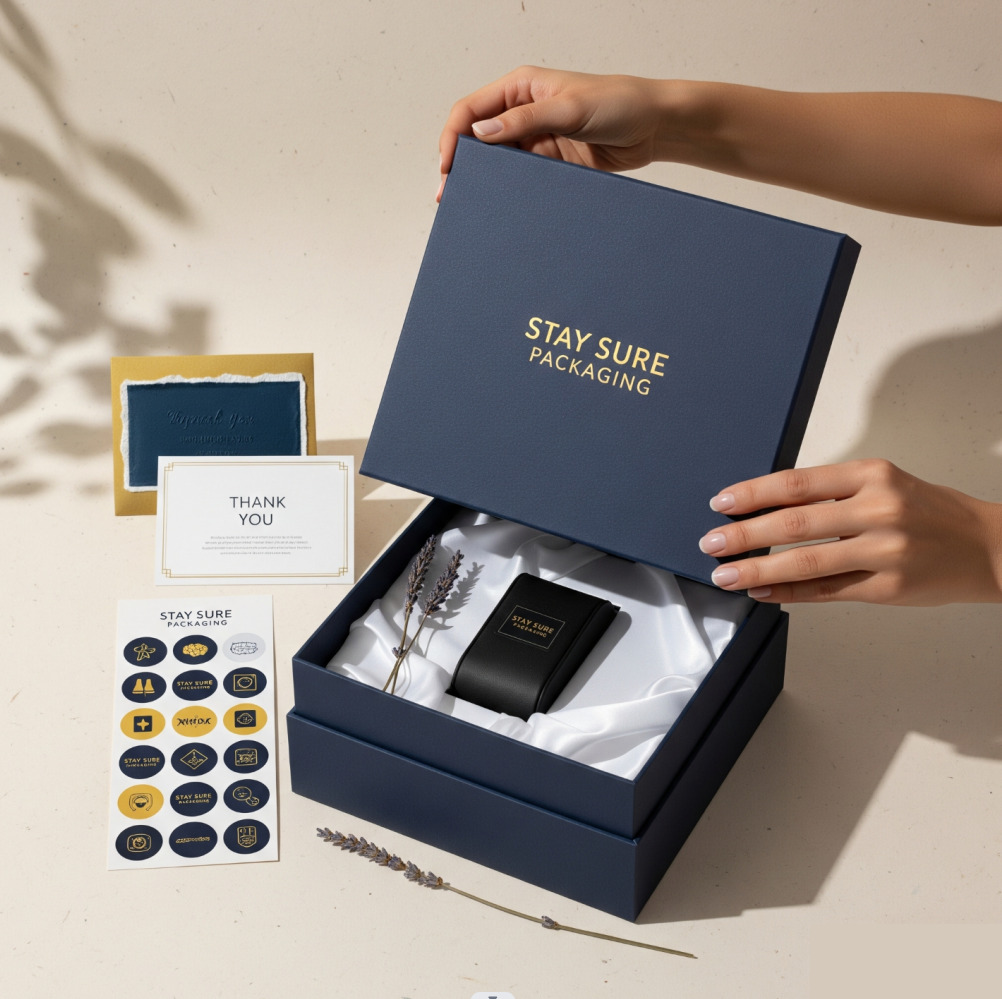
Great packaging starts with trust. When a box feels sturdy and neat, it signals care and value. That first impression can make a shopper reach for your product again and again. A well-chosen package also protects what’s inside, reducing returns and damage. You’ll notice it in fewer breakages and happier customers.
Gable boxes bring a simple, friendly form to shelves. They stand up on their own, open easily, and present items with a touch of elegance. Brands are turning to them for gifts, promotional sets, and everyday products alike. The thinking is practical: sturdy, stylish, and easy to handle.
For brands testing new ideas or seasonal lines, gable boxes offer versatility without a heavy lift. They look great with minimal embellishment or bold artwork. And yes, you can tailor every detail from color to finish to fit your story.
Understanding Custom Gable Boxes
What marks a gable box as distinct is its hinged lid and a handle that makes carrying simple. The shape invites curiosity and makes unboxing feel a little special. It’s a design that travels well from store to home or office.
Materials range from sturdy corrugated and cardstock to eco-friendly kraft. Construction options cover different thicknesses, liners, and inserts that keep products secure. The goal is a clean front, reliable protection, and easy opening—no clutter, no fuss.
Sizes and shapes vary to fit products from chocolates to candles, cosmetics to small electronics. You’ll find tall, long, wide, and cube-esque options. The right size enhances shelf impact while preventing wasted space or movement in transit.
Core Benefits for Product Packaging
Strong packaging protects a surprising range of weights. A well built gable box can cradle delicate items yet still handle heavier, bulkier sets without bending or tearing. That confidence translates to lower damage during shipping and store handling.
On shelves, the presentation catches the eye. A well executed design uses color, typography, and imagery to tell your story at a glance. It helps your product stand out in a crowded display without shouting.
Handling is easy for staff and customers alike. The handle and balanced balance of weight make it practical to carry and display. A good box invites pickup and quick purchase decisions.
Branding thrives through customization. You can align a gable box with your existing packaging system or create something distinct for a limited run. The result is a coherent, recognizable look across products.
Customization Options That Drive Value
Printing methods vary. Offset offers rich color and consistency for larger runs. Digital printing shines for shorter runs and quick turnarounds. Spot UV adds tactile shine to logos or key details for a subtle premium effect.
Colors should mirror your brand. A precise color match strengthens recognition and reduces confusion at a glance. When the palette echoes your other packaging, it feels cohesive and trustworthy.
Window inserts let customers glimpse the product inside without opening the box. Tactile details—like soft-touch coatings or raised inks—make the box feel premium to the touch.
Inset trays, dividers, and inserts keep everything stable. They prevent movement, protect fragile items, and can create a premium unboxing experience. A little structure goes a long way in perceived value.
Materials and Sustainability
Recyclable and compostable options are easier to source than you might think. Paper-based boards, responsibly sourced inks, and minimal plastic are common choices. A simple, honest palette often travels best with sustainability as a core message.
Reusability and durability matter. If customers can reuse a box, it extends the packaging’s life and reinforces your brand. Durable boxes cut down waste and reduce the need for replacements.
Supply chain ethics show up in certifications and clear sourcing. Knowing where materials come from and how they’re produced builds trust with retailers and customers alike.
Design Considerations for Gable Boxes
Logo placement should be legible from a quick glance. Put the mark where it’s clear even when the box is closed. A strong masthead helps consumers spot your brand instantly.
Tell your product story with copy and imagery. Use concise lines that describe what the product is and why it matters. Pair text with imagery that complements the box’s shape and color.
Regulatory labeling and safety details need to fit without crowding the design. Clear, compliant labels protect the brand and reassure buyers.
Balance aesthetics with practicality. Bold visuals are great, but the box must still open smoothly, protect the product, and stack neatly on a shelf.
Practical Uses Across Industries
Food and confectionery boxes can showcase flavor and freshness with window displays and appetizing colors. They travel well and hold up during transport to events or retailers.
Cosmetics and personal care benefit from a premium feel and precise color matching. A well finished surface communicates quality and care.
Small electronics and accessories need secure inserts and smart internal layouts. A tidy interior helps protect components and simplifies unpacking for customers.
Gifts and promotional items shine with special finishes and personalized touches. A memorable unboxing ritual leaves a lasting impression.
Cost and Production Considerations
Pricing varies by size and finish. Simple designs with standard finishes cost less, while premium coatings and custom inserts raise the price. Plan for the look you want within your budget.
Lead times depend on order size, finish, and tooling. Shorter runs may require faster setup, but they’re ideal for testing and seasonal campaigns.
Short runs work well for testing a new design or a limited promotion. They let you gauge consumer response before committing to larger quantities.
Choosing the Right Supplier
Look for a partner who understands both design and practical packaging constraints. Ask about materials, finish options, and turnaround times. A collaborative mindset matters as much as a good price.
During a quote, request sample proofs and clear delivery timelines. Confirm tolerances for color accuracy and print alignment to avoid surprises.
Proofing and quality control are worth their weight. A robust review process catches issues early and keeps the rollout smooth.
Step by Step: From Concept to Rollout
Define goals and the audience you’re targeting. Clear goals help shape the design and messaging from the start. Keep the focus on the buyer’s needs.
Start with dielines and prototypes. A physical sample reveals fit, opening action, and overall feel before mass production.
Finalize artwork and approvals with a tight timeline. Resolve any color questions and copy edits now to avoid delays later.
Run packaging validation and consumer testing. Gather quick feedback on usability, look, and perceived value to refine the box.
Design Best Practices
Shape and color should work together for shelf impact. A bold, readable logo on a contrasting background helps recognition at a glance. Use simple, legible typography.
Accessibility matters. Ensure text is readable in various lighting and environments. Clear instructions or notes reduce user confusion.
Keep branding consistent. Align the gable box with existing packaging and marketing materials. A unified look strengthens trust and recognition.
Case Studies or Real‑World Examples
Several brands piloted custom gable boxes for gift sets and limited editions. They reported higher in-store engagement and longer dwell time on shelves. The extra display presence often translated into stronger seasonality sales.
Metrics to watch include box returns, damages in transit, and repeat orders. A well-executed box often correlates with better overall product performance.
FAQs
What size options are available for gable boxes?
Sizes range from small gift sets to larger packs. Most suppliers offer a broad grid of standard dimensions plus custom sizing if needed.
Can I print full color on gable boxes?
Yes. Many options support full-color prints, with digital and offset processes available depending on quantity and finish.
Are gable boxes recyclable?
Most gable boxes are recyclable, especially when made from paper-based materials. Check with your supplier about coatings and inks used.
Do these boxes support inserts?
Absolutely. Inset trays, dividers, and protective liners can be added to keep items stable during shipping and display.
What’s the typical lead time for a new design?
Lead times vary by quantity and finish. Short runs can be ready in a few weeks, while larger runs may take longer due to tooling and proofs.
Conclusion
Custom gable boxes fit many product needs. They offer protection, visual appeal, and flexible branding opportunities. If you’re planning a packaging refresh or a new product line, a well-made gable box can make your packaging story clearer and more memorable.
For brands exploring options, consider your packaging partners offering custom gable boxes wholesale, gable boxes packaging, personalized gable boxes.
FAQs
Can I order a small run to test market reception?
Yes. A small run helps you gauge consumer response and adjust before a larger print run.
What finishes can I choose for the print?
Options include matte, gloss, spot UV, and soft-touch coatings to add a tactile feel and depth.
How do I ensure color accuracy?
Ask for a proof and specify color standards. A test print helps catch differences early.
Is it easy to add a window?
Window inserts are common. They require careful sizing and protection to keep the product secure.
What packaging metrics should I track?
Monitor damage rates, return rates, and on-shelf performance. These indicate how well the box supports the product.