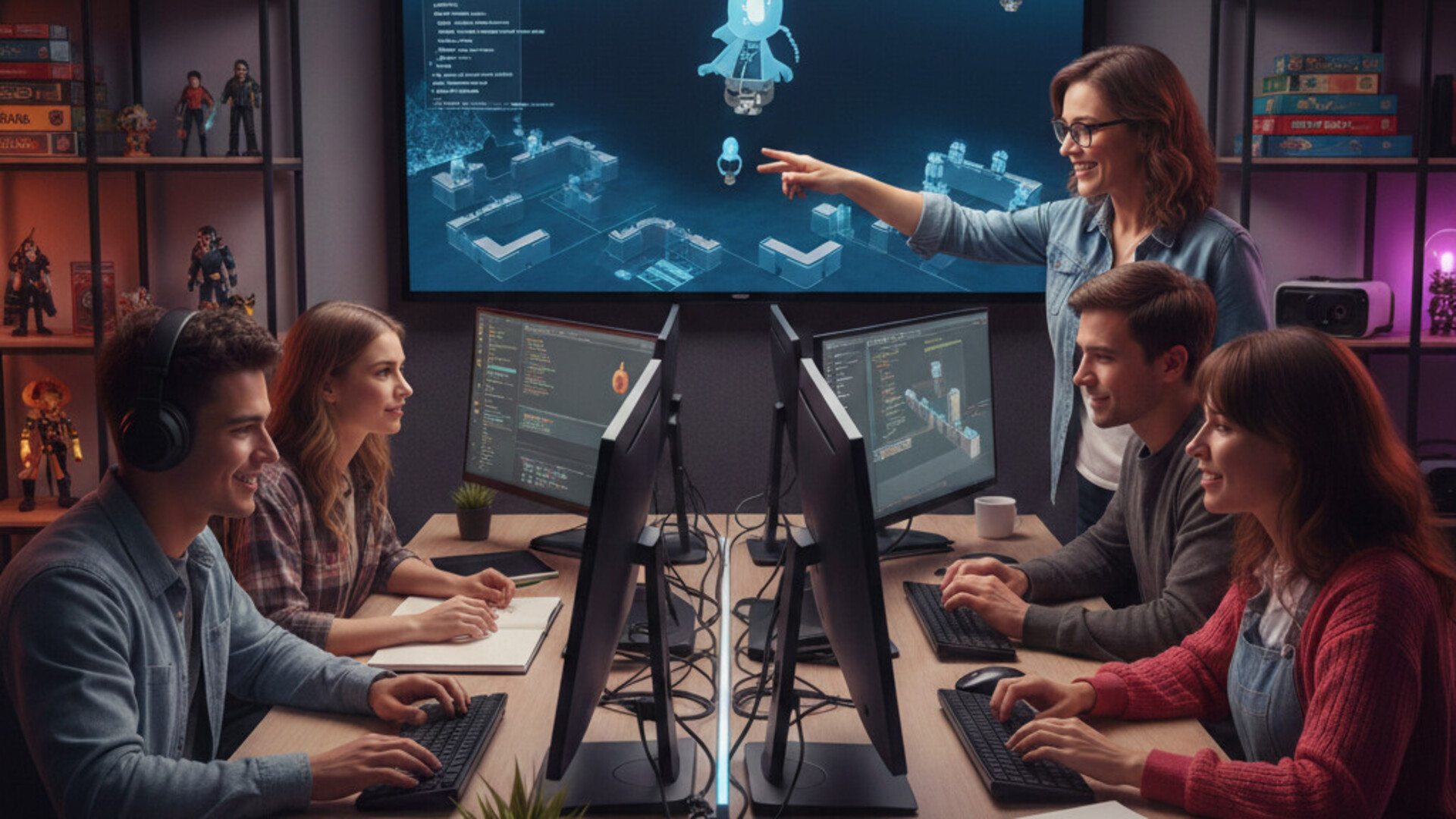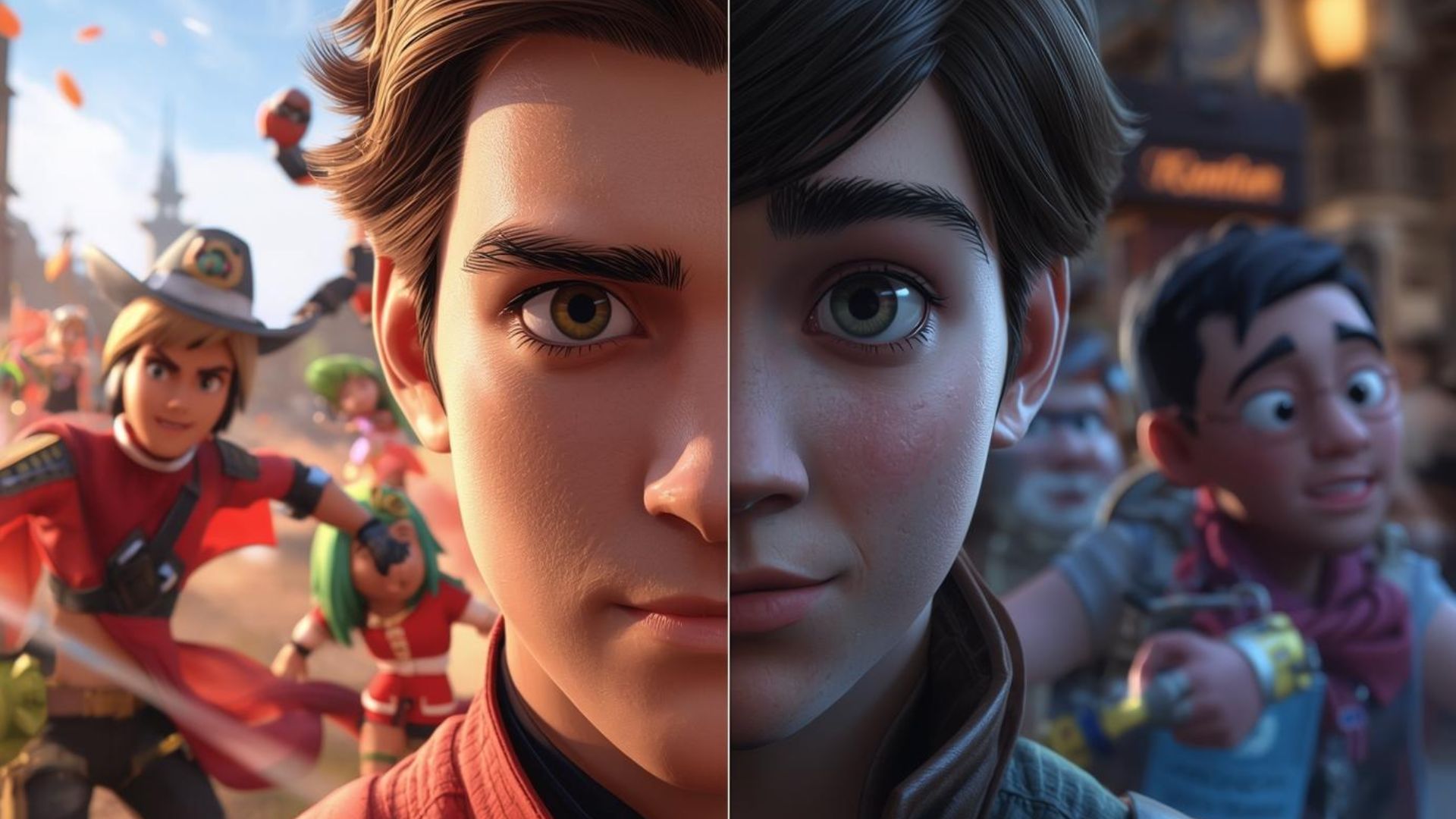
Most people notice good animation when it looks impressive. What they usually do not notice is how differently animation is used across media.
The way animation works in games is fundamentally different from how it works in films, even when both use the same 3D technology.
Films Control Emotion Through Animation
In animated films, every movement is planned around storytelling.
Facial expressions, camera timing, body language, and scene pacing are carefully controlled to guide the audience emotionally. The viewer watches the story unfold exactly as the creators intended.
This is why performances in projects like Arcane feel cinematic and emotionally precise. Animation is not just about making characters move; it shapes tension, emotion, and narrative rhythm.
The audience never interrupts the scene, so animators can focus entirely on performance and storytelling.
Games Need Animation to React in Real Time
Games work differently because the player controls the experience.
Animation has to respond instantly to movement, combat, decisions, and environmental changes without breaking immersion. That creates an entirely different challenge for animators.
In God of War Ragnarök, movement needs to feel responsive while still carrying cinematic weight. In Spider-Man 2, traversal animation must react fluidly to player input at all times.
The animation is not only telling a story; it is supporting gameplay systems continuously.
The Same Principles, Different Priorities
Both industries rely on the same animation foundations—timing, weight, anticipation, and movement clarity—but they apply them differently.
Films prioritise controlled storytelling and emotional performance.
Games prioritise responsiveness, interaction, and gameplay feedback.
That difference changes how scenes are animated, how workflows are structured, and what studios expect from artists.
Why This Matters for Beginners
A lot of beginners say they want to “learn 3D animation” without understanding how broad the field actually is.
Some people naturally enjoy cinematic storytelling and character acting. Others are more interested in gameplay movement, combat systems, and responsive animation loops.
Understanding this distinction early helps you approach learning with much more clarity.
Where the Industry Is Heading
The line between games and films is also evolving rapidly.
Modern pipelines increasingly share tools and technologies. Real-time engines like Unreal Engine are now influencing both game development and film production workflows.
That shift is creating new opportunities for artists who understand how animation supports storytelling across different mediums.
Where to Understand This Properly
There is a detailed breakdown that explores how games and films use 3D animation differently, how storytelling changes between mediums, and what these differences mean for artists entering the industry. Read here: https://mages.edu.sg/blog/how-games-films-use-3d-animation-to-tell-stories/
Learn Animation with Production Perspective
If you want to understand how professional animation pipelines actually work, MAGES Institute offers industry-focused training designed around real production workflows. You learn how animation supports gameplay, cinematic storytelling, and interactive experiences across modern media.