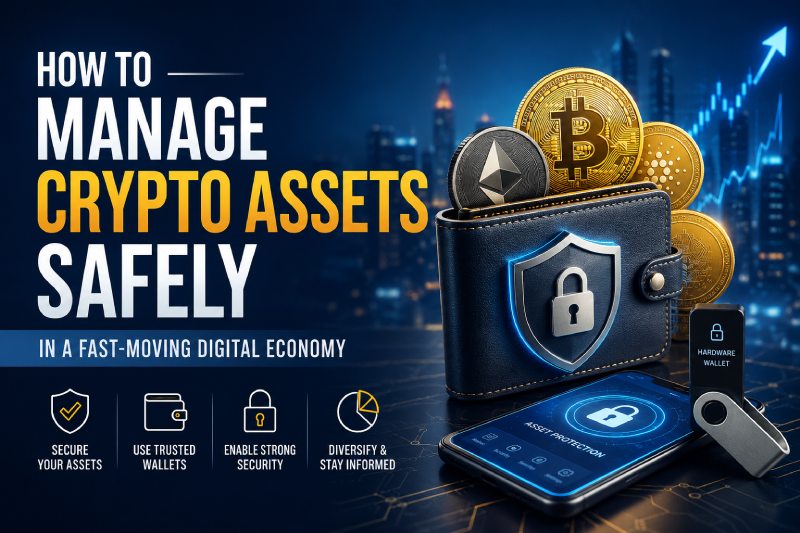
Cryptocurrency has transformed the financial landscape over the past decade, introducing new ways to invest, trade, and store value. With the rise of Bitcoin, Ethereum, and countless altcoins, the global economy is increasingly digital, and individuals and businesses alike are recognizing the potential of blockchain-based assets.
However, the fast-paced nature of the crypto world also presents unique risks. Prices fluctuate rapidly, regulatory environments evolve constantly, and cyber threats are ever-present. Knowing how to manage crypto assets safely in a fast-moving digital economy is critical for anyone seeking to leverage digital currencies for investment, business, or personal use.
Platforms like AcrossPay have made it easier for users to manage multiple assets securely, convert cryptocurrencies into fiat, and conduct transactions with confidence. This article explores strategies for asset security, risk management, and practical tools to help both new and experienced users navigate the dynamic crypto ecosystem.
Understanding the Digital Economy and Crypto Assets
The digital economy refers to economic activities that rely heavily on digital technologies. In this ecosystem, cryptocurrencies have emerged as both a medium of exchange and an investment class. Crypto assets are unique because they exist entirely online and leverage blockchain technology, which provides transparency, immutability, and decentralization.
Managing crypto assets requires understanding:
- Wallets: Digital storage solutions for crypto, which can be software-based (mobile, desktop, web) or hardware-based (physical devices storing keys offline).
- Private Keys: Unique cryptographic codes that grant ownership and access to digital assets. Losing them can mean losing access to funds permanently.
- Public Addresses: Like a bank account number for crypto, used to receive assets.
- Exchange Platforms: Websites or apps where cryptocurrencies can be bought, sold, or converted into fiat currency.
Understanding these fundamentals is the first step toward managing assets safely.
Key Principles for Safe Crypto Asset Management
1. Use Secure Wallets
Security begins with where you store your assets. For long-term holdings, hardware wallets are recommended because they remain offline and are resistant to hacking attempts.
Software wallets are convenient for frequent transactions but are more vulnerable to cyberattacks. Always enable two-factor authentication (2FA) for added protection.
2. Diversify Your Holdings
Just like traditional investments, diversification reduces risk. Holding multiple cryptocurrencies across different networks or wallets can protect users from the failure of a single asset or platform.
3. Keep Private Keys Confidential
Private keys are the most critical component of crypto ownership. Never share them online or with untrusted parties. Many hacks occur due to phishing attacks targeting users’ private keys.
4. Use Trusted Platforms for Transactions
Whether you are trading, selling, or converting assets, use verified platforms. Platforms like AcrossPay not only provide easy crypto to fiat conversion but also ensure transactions are secure, transparent, and compliant with regulatory standards.
5. Regular Backups
Regularly backing up wallets and private keys can prevent permanent loss due to device failure or accidental deletion. Store backups in multiple secure locations.
Security Strategies in a Fast-Moving Market
Cryptocurrency markets are volatile, and sudden price swings can impact asset value. Security strategies should account for both financial and technological risks.
Cold Storage
Storing assets offline (cold storage) ensures protection from online attacks. Hardware wallets, paper wallets, or even offline computers can be used for this purpose.
Multi-Signature Wallets
Multi-signature (multi-sig) wallets require multiple approvals before a transaction can occur. This is especially useful for businesses or high-value investors to prevent unauthorized access.
Platform-Level Security
Select platforms with robust security measures:
- End-to-end encryption
- Regulatory compliance (KYC/AML)
- Fraud monitoring
- Multi-chain support
These features reduce the risk of theft, hacks, and unauthorized transactions.
The Role of Crypto-to-Fiat Conversion
Converting digital assets to traditional currency is a critical step for liquidity management. Crypto-to-fiat conversion allows investors and businesses to access cash without relying on multiple intermediaries.
Benefits include:
- Immediate liquidity for operational expenses
- Minimizing exposure to volatility
- Easy international transfers
- Simplifying accounting and tax reporting
Platforms like AcrossPay integrate crypto-to-fiat conversion directly, allowing users to convert their assets securely and efficiently while maintaining transparency.
Managing Risk in a Volatile Market
Crypto is inherently volatile, and managing assets safely requires risk management practices:
- Set Limits: Define how much of your portfolio is exposed to high-risk assets.
- Use Stablecoins: Pegging a portion of assets to stablecoins can reduce exposure to market swings.
- Monitor Market Trends: Staying updated on news, regulations, and market sentiment helps make informed decisions.
- Automate Transactions: Using trusted platforms to schedule recurring payments, conversions, or trades reduces human error.
Compliance and Regulatory Considerations
The regulatory environment for crypto is constantly changing. Safe management requires platforms that are compliant with financial regulations.
- KYC (Know Your Customer) ensures users are verified.
- AML (Anti-Money Laundering) practices prevent misuse of crypto for illegal activities.
- Tax reporting tools integrated into platforms help investors stay compliant with local laws.
AcrossPay follows these standards, ensuring users can operate securely and legally in a fast-moving market.
Best Practices for Beginners
For those new to cryptocurrency, simplicity and security are crucial. Beginners should:
- Start with small amounts to familiarize themselves with wallets and exchanges.
- Use beginner-friendly wallets and apps for easier management.
- Learn how to perform secure crypto to fiat conversion.
- Never store all assets on a single platform.
Education is as important as technology in managing crypto safely.
Advanced Strategies for Experienced Users
Experienced investors can employ additional strategies:
- Use multiple wallets for different purposes (trading, long-term storage, payments).
- Employ multi-sig wallets for business accounts.
- Leverage crypto payment gateways for international transactions.
- Integrate portfolio management tools to monitor performance.
Platforms like AcrossPay offer advanced users tools for multi-chain wallet management, instant payments, and real-time conversion reporting.
Leveraging Crypto Financial Apps
Crypto financial apps are becoming central to asset management. They combine wallets, payment gateways, conversion tools, and analytics in one platform.
Advantages include:
- Real-time monitoring of portfolio value
- Instant notifications for transactions
- Access to global payment networks
- Integration with fiat and crypto systems
Global Implications
As crypto adoption increases globally, managing digital assets safely becomes more critical. Businesses that leverage crypto payment solutions can access new markets, pay international suppliers, and streamline operations.
Individuals can participate in global trade, send money to family, and invest in international assets without relying solely on traditional banking infrastructure.
Why AcrossPay Is an Optimal Choice
Among the growing number of platforms, AcrossPay provides an integrated solution for secure asset management, crypto-to-fiat conversion, and instant payments.
Key advantages:
- Fast, secure crypto-to-fiat conversion
- Multi-chain wallet support
- Compliance with KYC/AML regulations
- User-friendly interface for beginners and advanced users
- Global payment and remittance solutions
AcrossPay empowers users to manage their assets safely in a volatile, fast-moving digital economy.
Conclusion
The digital financial landscape is evolving, and cryptocurrency is at its core. Understanding how to manage crypto assets safely in a fast-moving digital economy requires secure wallets, reliable platforms, regulatory compliance, and smart risk management practices.
For businesses, freelancers, and investors, the integration of secure crypto platforms like AcrossPay allows safe, efficient, and flexible management of digital assets. As crypto adoption continues to expand, these platforms will play a pivotal role in shaping the future of global finance.