Understanding Pinealon Peptides in Research
These peptides are short chains of amino acids that have gained attention in scientific and laboratory research due to their potential role in cellular studies and experimental biology. Pinealon peptides are primarily investigated in controlled environments to understand their structural properties, biological interactions, and possible effects on cellular functions.
In scientific use, Pinealon is studied for its potential involvement in processes related to cellular regulation and neurobiological research. Researchers explore how peptide-based compounds may interact with biological systems at a molecular level, helping to expand knowledge in biotechnology and life sciences.
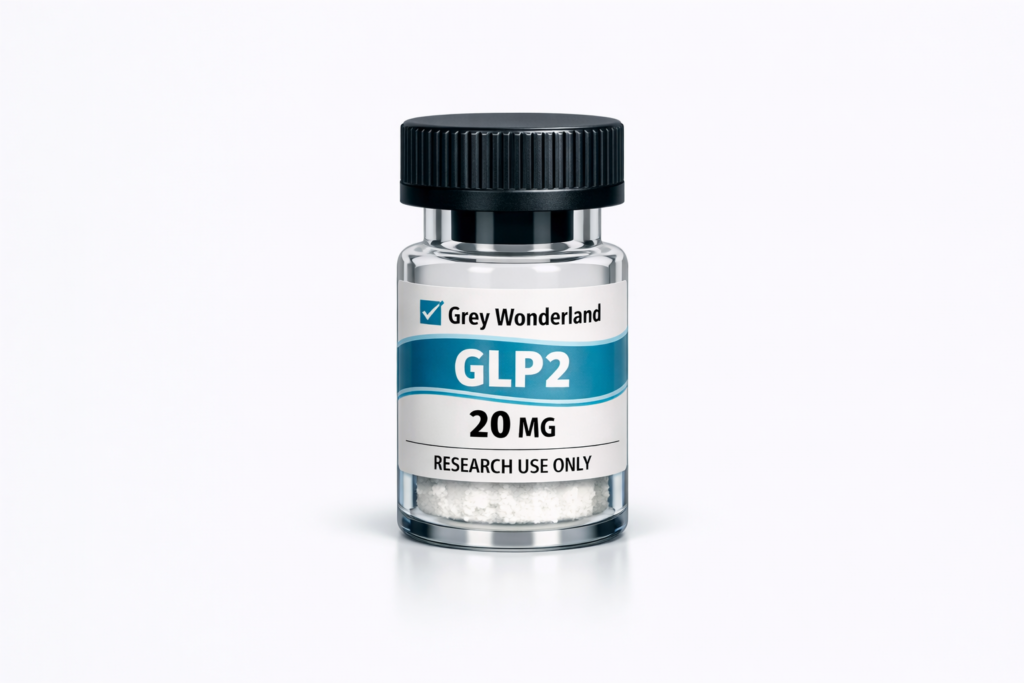
Chemical Structure and Composition
The structure of Pinealon peptides is based on small amino acid sequences, which allow them to interact efficiently within biological systems during research experiments. Their simple yet effective composition makes them an interesting subject for laboratory analysis.
Scientists focus on how these peptides behave under different conditions such as temperature, pH levels, and storage environments. Understanding their stability and molecular behavior helps researchers determine how peptide-based compounds function in experimental settings.
Applications in Laboratory Research
Pinealon peptides are mainly used for scientific and experimental purposes. In laboratory environments, they are studied to observe their potential effects on cellular communication, protein interactions, and biological regulation processes.
Researchers often use peptide compounds like Pinealon in preclinical studies to explore new possibilities in molecular biology and biotechnology. These studies help expand scientific knowledge and may contribute to future advancements in medical and biological research.
It is important to note that Pinealon peptides are strictly intended for research use only and are not approved for human consumption or medical treatment.
Importance in Neurobiological Studies
One of the key areas where Pinealon peptides are researched is neurobiology. Scientists investigate how these peptides may interact with nerve cells and brain-related biological processes at a molecular level.
Such studies aim to better understand cellular signaling, brain function, and neurochemical responses. While research is still ongoing, peptide-based studies continue to play an important role in advancing neuroscience and related fields.
Role in Cellular Research
Cellular research is another important field where Pinealon peptides are examined. Researchers study how these peptides may influence cell growth, repair mechanisms, and communication between cells.
By observing these interactions in controlled laboratory conditions, scientists gain deeper insight into how cells respond to external compounds. This information is valuable for developing future scientific theories and experimental models in biology.
Stability and Handling in Laboratories
Proper handling and storage of Pinealon peptides are essential for maintaining their stability during research. Laboratories follow strict protocols to ensure that peptide compounds remain effective and uncontaminated.
Typically, these peptides are stored in controlled environments with regulated temperature and humidity. Researchers also use precise measurement techniques to ensure accuracy during experiments. Proper handling ensures reliable and consistent results in scientific studies.
Ethical and Scientific Considerations
Since Pinealon peptides are used exclusively for research purposes, ethical guidelines must be followed in laboratory settings. Scientists are required to conduct experiments responsibly and ensure that all research complies with institutional and regulatory standards.
Transparency, accuracy, and safety are key principles in peptide research. These standards help maintain the integrity of scientific studies and ensure that results are credible and reproducible.
Future Potential in Scientific Research
The study of Pinealon peptides continues to evolve as scientists explore new applications in biotechnology and molecular science. Ongoing research may uncover additional insights into how these peptides interact with biological systems.
As technology advances, peptide research is expected to play an even greater role in understanding complex biological processes. Pinealon peptides may contribute to future discoveries in fields such as genetics, cellular biology, and neuroscience.
Conclusion
Pinealon peptides represent an important area of interest in modern scientific research. Their simple structure and potential biological interactions make them valuable tools for laboratory studies focused on cellular and molecular processes.
Although still under investigation, these peptides continue to support advancements in neuroscience, cellular biology, and biotechnology. With proper handling and ethical research practices, Pinealon peptides may help expand scientific knowledge and contribute to future discoveries in the life sciences.