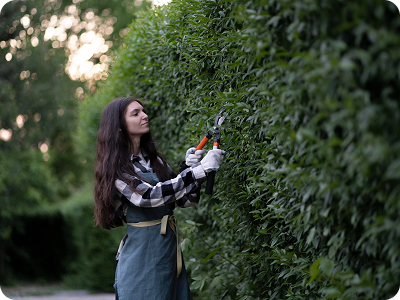
A beautiful and healthy garden requires consistent care throughout the year. Every season brings different weather conditions, plant needs, and maintenance tasks that can affect the overall appearance and health of your outdoor space. Without regular upkeep, gardens can quickly become overgrown, unhealthy, or difficult to manage. Following a seasonal maintenance routine helps homeowners protect their landscaping investment while keeping plants, lawns, and outdoor areas looking their best. Many homeowners rely on professional services for Garden Maintenance in St Louis to ensure their landscapes remain vibrant and well-maintained during every season.
Understanding what tasks should be completed during each season can make garden care more organized and effective.
Why Seasonal Garden Maintenance Matters
Gardens constantly change throughout the year. Different temperatures, rainfall levels, and sunlight conditions affect plant growth and soil health.
Benefits of Seasonal Garden Maintenance
- Promotes healthy plant growth
- Prevents weeds and pest problems
- Improves curb appeal
- Protects landscaping investments
- Keeps outdoor spaces functional and attractive
Regular maintenance also helps identify small problems before they become costly repairs.
Spring Garden Maintenance Checklist
Spring is one of the most important seasons for garden care. After winter, plants and lawns need attention to recover and prepare for new growth.
Clean Up Garden Beds
Start by removing:
- Dead leaves
- Fallen branches
- Weeds and debris
- Damaged plants
Cleaning garden beds improves airflow and creates space for healthy growth.
Inspect Plants and Trees
Check plants for:
- Winter damage
- Broken branches
- Signs of disease or pests
Pruning damaged areas encourages healthy development.
Prepare the Soil
Healthy soil is essential for strong plants.
Spring Soil Tasks
- Add compost or organic matter
- Test soil nutrients if necessary
- Loosen compacted soil
Improving soil quality supports better root growth and plant health.
Mulch Garden Areas
Applying fresh mulch helps:
- Retain moisture
- Reduce weed growth
- Regulate soil temperature
Mulch also gives garden beds a clean and polished appearance.
Start Lawn Care Early
Spring lawn maintenance may include:
- Fertilizing the grass
- Aerating compacted soil
- Reseeding thin areas
Early lawn care promotes thicker and healthier grass growth.
Summer Garden Maintenance Checklist
Summer heat and dry conditions can place stress on plants and lawns. Regular care is important during this season.
Water Properly
Watering is essential during hot weather.
Summer Watering Tips
- Water early in the morning
- Avoid overwatering
- Focus on deep watering for root growth
Consistent watering helps plants remain healthy during periods of heat.
Control Weeds
Weeds compete with plants for nutrients and water.
Weed Prevention Methods
- Pull weeds regularly
- Maintain mulch layers
- Monitor garden beds frequently
Controlling weeds early prevents larger infestations later.
Monitor for Pests and Diseases
Warm temperatures can increase pest activity.
Common Summer Garden Problems
- Insect damage
- Fungus growth
- Plant discoloration
Early detection helps reduce long-term damage.
Trim and Deadhead Plants
Removing faded flowers and overgrown branches encourages:
- Continued blooming
- Healthier plant growth
- Better overall appearance
Regular trimming keeps gardens tidy and organized.
Fall Garden Maintenance Checklist
Fall is the time to prepare gardens for colder weather and future growth.
Remove Fallen Leaves
Excess leaves can:
- Smother grass
- Trap moisture
- Encourage mold and disease
Raking leaves regularly helps maintain lawn health.
Cut Back Perennials
Some plants benefit from seasonal pruning before winter.
Fall Pruning Benefits
- Reduces disease risk
- Encourages healthier spring growth
- Improves garden appearance
However, certain plants may require delayed pruning depending on their type.
Plant Bulbs and Seasonal Flowers
Fall is ideal for planting:
- Spring bulbs
- Cool-season flowers
- Certain shrubs and trees
Planting during cooler temperatures helps roots establish before winter.
Fertilize the Lawn
Applying fertilizer in fall strengthens grass roots and supports healthier spring growth.
Protect Sensitive Plants
Some plants may require extra protection from freezing temperatures.
Winter Preparation Methods
- Add protective mulch
- Cover delicate plants
- Bring potted plants indoors if necessary
Preparation helps reduce winter damage.
Winter Garden Maintenance Checklist
Although plant growth slows during winter, some maintenance tasks are still important.
Inspect Trees and Shrubs
Winter storms can damage branches and weaken trees.
Winter Inspection Tips
- Remove broken branches
- Check for signs of disease
- Monitor tree stability after storms
Regular inspections improve safety and plant health.
Maintain Garden Tools
Winter is a good time to:
- Clean garden tools
- Sharpen blades
- Organize equipment
Proper tool maintenance improves efficiency during future seasons.
Plan for Spring Projects
Use winter months to plan:
- New garden layouts
- Plant additions
- Landscaping improvements
Planning ahead helps homeowners prepare for successful spring maintenance.
Importance of Proper Irrigation
Water management is essential year-round.
Benefits of Efficient Irrigation
- Prevents overwatering
- Conserves water
- Supports healthier plant growth
Proper irrigation systems help maintain consistent moisture levels throughout changing seasons.
Benefits of Regular Pruning
Pruning plays an important role in garden maintenance.
Why Pruning Matters
- Removes damaged growth
- Improves airflow
- Encourages healthier blooms
- Controls plant size and shape
Seasonal pruning helps maintain both plant health and appearance.
Pest and Disease Prevention
Routine inspections help prevent serious garden problems.
Common Prevention Methods
- Removing dead plant material
- Monitoring moisture levels
- Improving airflow between plants
Healthy gardens are generally more resistant to pests and diseases.
Lawn Maintenance Throughout the Year
Lawns require consistent care in every season.
Key Lawn Care Tasks
- Mowing regularly
- Fertilizing when needed
- Aerating compacted soil
- Managing weeds and pests
A healthy lawn improves the overall appearance of outdoor spaces.
Benefits of Professional Garden Maintenance
Some homeowners choose professional maintenance services to help manage seasonal tasks.
Advantages of Professional Support
- Expert plant care knowledge
- Efficient seasonal maintenance
- Early detection of landscape problems
- Consistent care throughout the year
Professional guidance can help homeowners maintain healthy and attractive landscapes more effectively.
Tips for Staying Organized With Garden Maintenance
Managing seasonal tasks becomes easier with proper planning.
Helpful Organization Tips
- Create a seasonal checklist
- Schedule regular inspections
- Keep gardening tools organized
- Track watering and fertilizing schedules
Consistent routines help reduce stress and improve results.
Long-Term Benefits of Seasonal Garden Care
Following a year-round maintenance routine offers several long-term advantages.
Long-Term Benefits
- Healthier plants and lawns
- Improved curb appeal
- Reduced repair costs
- Increased outdoor enjoyment
Well-maintained gardens create more inviting and functional outdoor spaces.
Conclusion
Seasonal garden maintenance is essential for keeping outdoor spaces healthy, organized, and visually appealing throughout the year. Each season brings unique tasks that help protect plants, improve soil health, manage pests, and support long-term landscape growth. From spring cleanups and summer watering to fall preparation and winter planning, regular care helps homeowners maintain beautiful and functional gardens in every season. Many homeowners choose professional Garden Maintenance in St Louis services to ensure their landscapes receive consistent care and expert attention year-round. By following a seasonal checklist and staying proactive, homeowners can create thriving outdoor spaces that remain attractive and enjoyable in every season.