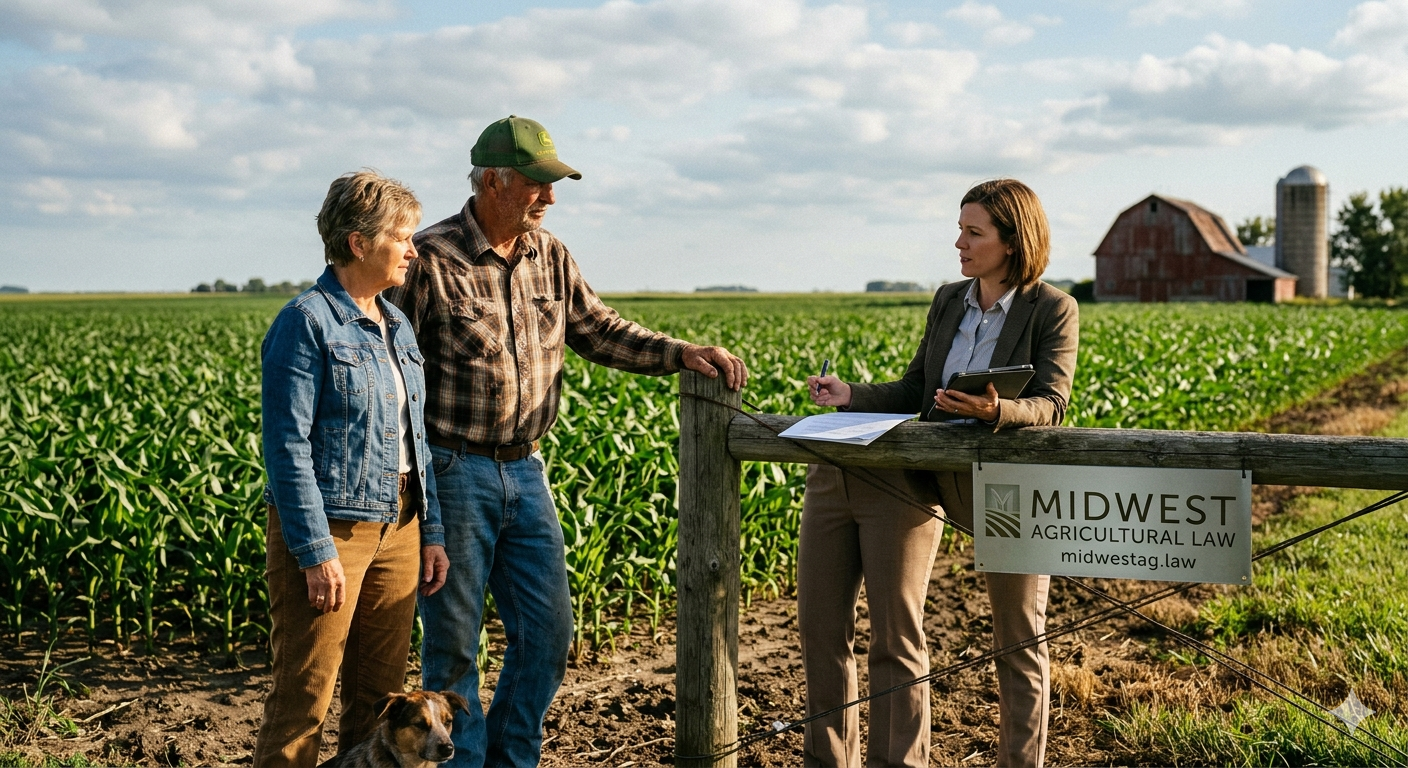
When you look out across a freshly planted field, you don’t just see soil and crops. You see generations of hard work, a massive financial investment, and a way of life worth protecting. For decades, running a successful farm mostly required a deep understanding of agronomy, a strong work ethic, and a little help from the weather.
Today, agribusiness is vastly different. The modern farm is a sophisticated commercial enterprise operating within a web of complex regulations, volatile markets, and intricate family dynamics. One bad contract, a poorly handled zoning dispute, or a single missing line in a succession plan can jeopardize everything you’ve spent a lifetime building.
Navigating this terrain requires more than just general legal advice. It demands a strategy tailored specifically to the unique realities of the agricultural sector.
The Evolving Landscape of Agricultural Law
Agricultural law isn’t just one legal discipline; it is an intersection of real estate, environmental law, contracts, labor regulations, and estate planning. Because agriculture is heavily subsidized and strictly regulated at both the state and federal levels, the legal landscape shifts constantly.
Farmers today face unprecedented pressure from regulatory bodies, corporate buyers, and shifting environmental mandates. Whether you are dealing with water rights disputes, navigating USDA compliance, or reviewing a complex seed patent agreement, the legal stakes have never been higher.
To stay ahead, proactive risk management is essential. Waiting for a legal crisis to strike before seeking counsel is a recipe for financial strain.
Critical Legal Hurdles Facing Modern Agribusiness
To protect your operation, you must understand the primary legal vulnerabilities that Midwest farmers encounter on a daily basis.
1. Land Use and Environmental Compliance
Land is your most valuable asset, but it is also a lightning rod for regulatory scrutiny. Farmers must constantly balance production goals with strict environmental laws.
- Water Rights: Access to clean, reliable water is the lifeblood of any farm. Disputes over runoff, drainage, and irrigation rights can quickly halt operations.
- Chemical and Pesticide Regulations: State and federal agencies strictly enforce how and when chemicals can be applied. Non-compliance can result in catastrophic fines.
- Zoning and Clean Water Act Mandates: Navigating rules regarding wetlands and protected areas requires precise legal interpretation to avoid costly litigation.
2. Contractual Landmines in Agribusiness
Every transaction you make—from leasing acreage to purchasing equipment or selling grain—relies on a contract. Unfortunately, many producers sign agreements without fully understanding the long-term implications.
- Production and Supply Contracts: Corporate buyers often hold the upper hand in negotiations. A poorly drafted contract can leave you vulnerable to unfair pricing structures or unexpected liability.
- Equipment and Land Leases: Ensure your leases clearly outline responsibilities for maintenance, improvements, and early termination clauses to prevent disputes with landlords or vendors.
Securing the Future Through Farm Succession Planning
Perhaps the most emotional and complex legal challenge a farm owner will ever face is deciding what happens to the operation when they are ready to step back. Statistics show that a staggering number of family farms fail to make it to the third generation, often due to a lack of structured succession planning.
Balancing Equity Among Heirs
One of the biggest hurdles is creating a plan that is fair to both the children who want to stay and work the farm and those who have chosen a different career path. Dividing a farm equally down the middle can often force the sale of the asset just to pay out non-farming heirs, effectively destroying the business. A specialized attorney can help structure trusts, LLCs, or buy-sell agreements that keep the farm intact while treating all family members fairly.
Mitigating Estate and Gift Taxes
Without strategic planning, Uncle Sam can become a major beneficiary of your hard work. Transitioning assets smoothly requires utilizing legal mechanisms that minimize tax burdens, ensuring that your capital stays in the soil where it belongs.
To successfully navigate these transitions, working with a firm deeply rooted in the agricultural community is vital. For comprehensive legal guidance tailored to these specific regional challenges, producers rely on trusted advocates like midwestag.law to secure their operations and protect their family legacies.
The Practical Value of Local Legal Expertise
When searching for legal counsel, proximity and specific industry experience matter. Type “agriculture attorney near me” into a search bar, and you will likely find plenty of corporate lawyers. However, a general corporate attorney won’t necessarily understand the nuances of a seed contract, a livestock lease, or the local water board rules.
+———————————–+———————————–+
| General Business Attorney | Specialized Agribusiness Attorney |
+———————————–+———————————–+
| Focuses on standard corporate laws| Understands USDA regulations & ag |
| and generic contract templates. | industry customs. |
+———————————–+———————————–+
| Unfamiliar with local land/water | Deeply familiar with regional |
| rights precedents. | water boards and zoning laws. |
+———————————–+———————————–+
| Treats a farm like any office- | Recognizes the connection between |
| based commercial business. | family legacy and farm operations.|
+———————————–+———————————–+
Partnering with a knowledgeable lawyer in Nebraska or the wider Midwest ensures that your legal counsel speaks your language. They understand the seasonal nature of your cash flow, the volatility of commodity markets, and the exact local regulations that impact your specific county.
Summary of Actionable Steps
- Audit Your Existing Contracts: Regularly review land leases, equipment agreements, and buyer contracts with an ag attorney to spot hidden liabilities.
- Formalize Your Succession Plan: Do not leave the future of your family farm to chance or verbal agreements; establish a legally binding transition strategy early.
- Stay Ahead of Compliance: Work with a legal partner to monitor shifting state and federal environmental regulations before they impact your daily operations.
Final Thoughts
Running a farm is a high-stakes endeavor that requires balancing tradition with modern business strategy. By treating legal planning as a core component of your operational management, you protect your bottom line, your land, and your family’s future.
Key Takeaway
Legal risk management is just as critical to a farm’s survival as crop insurance and proper equipment maintenance. Partnering with a dedicated agricultural attorney ensures that your hard work translates into a lasting legacy for generations to come.
FAQs
What is the difference between a general attorney and an agricultural attorney?
An agricultural attorney specializes in the specific laws, regulations, and economic realities that govern the farming and ranching industries. While a general business lawyer handles standard corporate matters, an ag attorney understands USDA compliance, water rights, livestock liability, and farm-specific succession planning.
Why is an LLC recommended for family farms?
Structuring a farm as an LLC (Limited Liability Company) helps protect your personal assets from business-related liabilities, such as an accident on the property or a breach of contract. It also simplifies the process of transferring ownership shares to the next generation without disrupting daily operations.
How can a lawyer help with a USDA compliance dispute?
If you are facing an adverse decision from a USDA agency regarding program eligibility, conservation compliance, or crop insurance, an agricultural attorney can represent you in the administrative appeals process, ensuring your rights are protected and helping you navigate complex federal bureaucracies.
When should I start planning for farm succession?
The best time to start a succession plan is well before you intend to retire ideally, 5 to 10 years in advance. Early planning allows for a gradual transition of management responsibilities, maximizes tax mitigation strategies, and gives the family ample time to resolve potential conflicts.
How do water rights impact my property value and operations?
Water rights dictate how much water you can legally divert for irrigation and how you must manage runoff. Because water is a finite and highly contested resource in the Midwest, having secure, legally sound water rights is critical to the productivity and long-term valuation of your agricultural land.