Barcode Printer: A Crucial Instrument for Contemporary Companies
In today’s fast-moving business environment, accuracy and efficiency are more important than ever. Companies across retail, logistics, healthcare, manufacturing, and warehousing rely on technology to manage products and track inventory effectively. One of the most important tools that supports these operations is the barcode printer.
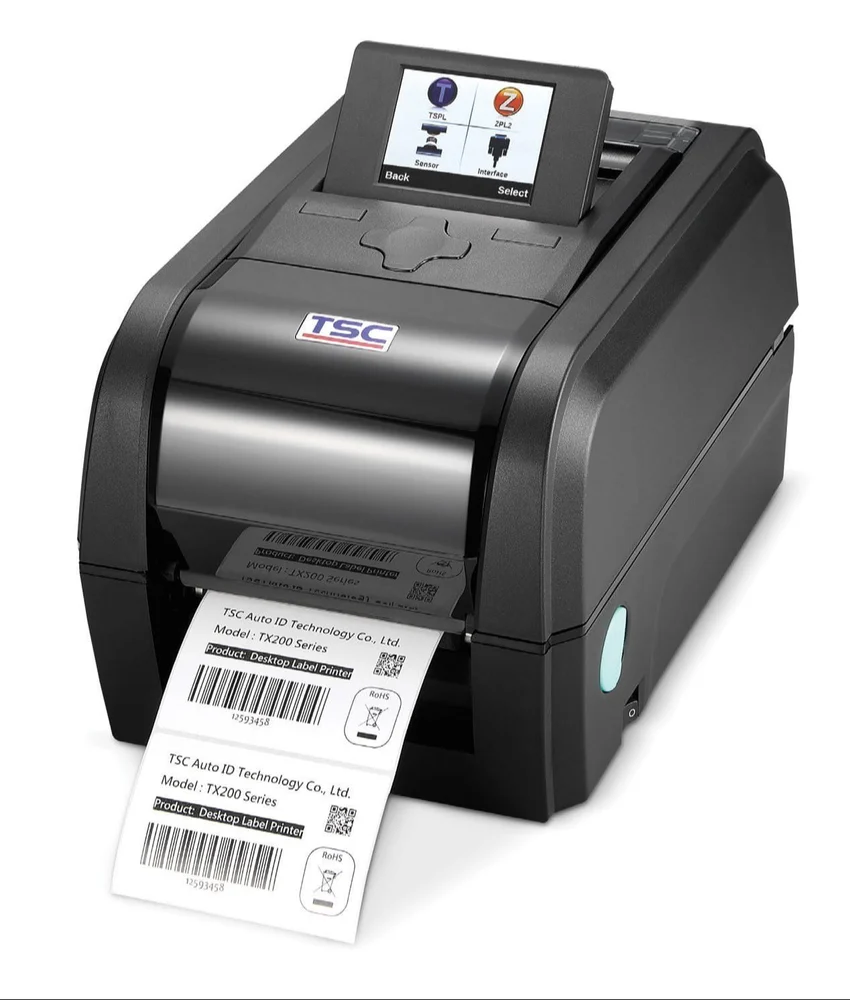
A barcode printer is designed to create high-quality barcode labels, tags, and receipts that help businesses organize products and improve operational accuracy. As industries continue to adopt automated systems, barcode printers have become a necessary part of modern business operations. Their ability to produce clear and scannable labels makes them valuable for both small businesses and large enterprises.
What is a Barcode Printer?
A barcode printer is a specialized printing device used to print barcode labels and tags. These labels contain machine-readable codes that can be scanned using barcode scanners. The printed information helps businesses identify products, track inventory, and manage sales more efficiently.
Unlike traditional printers, barcode printers are specifically designed for label printing. They produce durable and accurate labels that remain readable even after extended use. Barcode printers are commonly used in supermarkets, warehouses, shipping centers, pharmacies, and manufacturing facilities.
Types of Barcode Printers
1. Direct Thermal Barcode Printers
Direct thermal printers create images by applying heat directly to specially coated thermal paper. These printers do not require ink or toner, making them cost-effective and easy to maintain. They are commonly used for shipping labels, receipts, and temporary product labels.
However, thermal labels may fade over time when exposed to heat or sunlight, making them less suitable for long-term applications.
2. Thermal Transfer Barcode Printers
Thermal transfer printers apply ink to the tag area utilizing a warmed ribbon. This process creates labels that are incredibly resilient and long-lasting. These printers are widely used in industries that require labels resistant to moisture, chemicals, and harsh environments.
Thermal transfer barcode printers are ideal for inventory management, industrial labeling, and asset tracking.
3. Industrial Barcode Printers
Industrial barcode printers are built for heavy-duty operations and high-volume printing. These printers are commonly found in warehouses, factories, and logistics companies where continuous label printing is required.
They offer faster printing speeds, larger media capacity, and increased durability compared to standard desktop models.
4. Desktop Barcode Printers
Desktop barcode printers are compact and suitable for small businesses or offices with moderate printing needs. They are easy to operate and fit well in retail stores, pharmacies, and small warehouses.
These printers provide an affordable solution for businesses that require regular barcode label printing without large-scale production.
Benefits of Using a Barcode Printer
Improved Accuracy
Barcode printers help reduce manual data entry errors by generating scannable labels that provide accurate product information. This improves inventory management and minimizes mistakes during sales and shipping processes.
Find the latest barcode scanner price in Pakistan with reliable models designed for retail, inventory, and business management needs.
Faster Business Operations
Barcode systems allow employees to scan products quickly instead of entering details manually. This increases efficiency in retail checkout counters, warehouses, and shipping departments.
Better Inventory Management
Businesses can track stock levels more effectively with barcode labels. Accurate inventory tracking helps prevent overstocking, shortages, and misplaced products.
Professional Label Quality
Barcode printers produce clean and professional-looking labels that improve product organization and presentation. High-quality labels are easier to scan and enhance operational efficiency.
Cost-Effective Solution
Although barcode printers require an initial investment, they help businesses save money in the long run by reducing labor costs, minimizing errors, and improving workflow efficiency.
Industries That Use Barcode Printers
Barcode printers are used in many industries because of their reliability and efficiency. Some major sectors include:
- Retail stores for product labeling and price tags
- Warehouses for inventory tracking
- Healthcare facilities for patient and medication labeling
- Logistics companies for shipping labels
- Manufacturing units for product identification
- Libraries for book tracking systems
Barcode printers are a valuable tool in commercial and industrial settings due to their versatility.
Choosing the Right Barcode Printer
When selecting a barcode printer, businesses should consider several factors such as printing volume, label durability, connectivity options, and printing speed. Small businesses may prefer desktop models, while large warehouses often require industrial-grade printers.
It is also important to ensure compatibility with barcode software and scanners to create an efficient workflow system.
End thought
A barcode printer is a powerful business tool that improves efficiency, accuracy, and inventory control. As businesses continue to adopt digital systems and automation, barcode printing technology remains essential for smooth operations. From retail stores to industrial warehouses, barcode printers help organizations save time, reduce errors, and maintain better product tracking.
By choosing the right barcode printer, businesses can enhance productivity and create a more organized working environment. With growing demand across industries, barcode printers continue to play a key role in modern business management and operational success. Check complete information here…