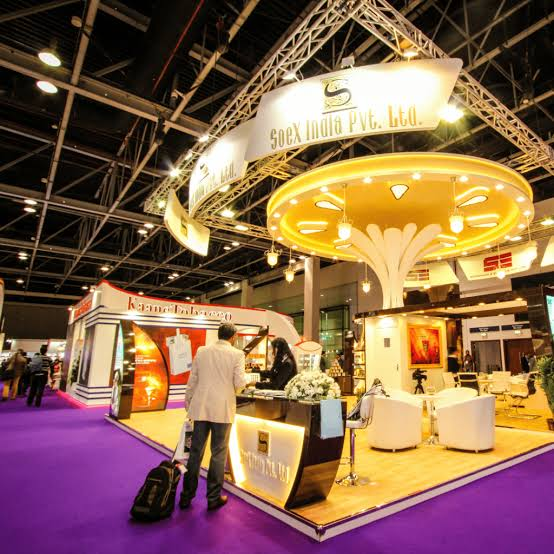
Trade shows have become more competitive than ever. Visitors expect interactive experiences, sustainable designs, and meaningful conversations instead of crowded displays filled with promotional material. That’s why every decision you make before the event can directly impact the number of conversations, qualified leads, and business opportunities you generate.
If you’re investing in pavilion exhibition stands, planning every detail strategically is essential. Here are ten decisions that can determine whether your next event becomes a success or a missed opportunity.
1. Define a Clear Goal Before Designing
Every successful exhibition starts with a purpose. Are you launching a product, entering a new market, generating leads, or strengthening brand awareness? A clear objective helps shape every design and marketing decision that follows.
2. Choose the Right Location Within the Pavilion
Even an outstanding booth can underperform if it’s hidden in a low-traffic area. Corner spaces, entrances, and main walkways often receive higher visitor flow, making location a critical investment.
3. Prioritize Visitor Experience Over Decoration
Modern exhibitors are moving away from oversized graphics alone. Comfortable meeting areas, live demonstrations, touchscreens, QR-code engagement, and interactive product displays encourage visitors to stay longer and learn more.
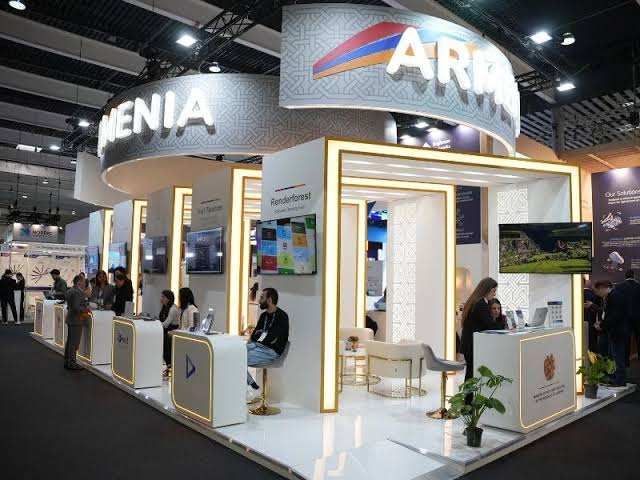
4. Invest in Smart Pavilion Stand Design
Today’s exhibitors are embracing AI-powered presentations, digital product catalogs, LED walls, and sustainable materials. A well-planned pavilion stand design should guide visitors naturally through your space while reinforcing your brand story instead of overwhelming them with information.
5. Work With an Experienced Builder
Execution matters just as much as creativity. An experienced pavilion exhibition stand builder understands venue regulations, installation schedules, structural safety, and practical design solutions that reduce last-minute surprises and keep your project on track.
6. Make Sustainability Part of Your Strategy
Reusable structures, recyclable materials, energy-efficient lighting, and modular components are no longer optional for many global exhibitions. Sustainable choices reduce waste while demonstrating your brand’s long-term commitment to responsible business practices.
7. Train Your Team Before the Event
Even the best booth cannot compensate for an unprepared team. Staff should know how to greet visitors, qualify leads, demonstrate products, and continue conversations naturally without sounding scripted.
8. Use Technology to Capture Leads Instantly
Replace paper forms with digital lead capture tools, CRM integrations, mobile apps, and QR codes. Faster data collection helps your sales team follow up while interest is still fresh.
| Decision | Business Impact |
|---|---|
| Clear event objectives | Better marketing focus |
| Prime booth location | Higher visitor traffic |
| Interactive experiences | Longer visitor engagement |
| Sustainable materials | Stronger brand reputation |
| Digital lead capture | Faster sales follow-up |
9. Plan Your Pre-Event and Post-Event Marketing
Success doesn’t begin on opening day. Promote your participation through LinkedIn, email campaigns, event apps, and personalized meeting invitations. After the event, timely follow-up is often the difference between a warm lead and a lost opportunity.

10. Measure Results Instead of Guessing
Track meaningful metrics such as visitor engagement, qualified leads, meeting conversions, social media interactions, and revenue influenced by the event. Reviewing performance helps improve future exhibition strategies and maximize your return on investment.
Final Thoughts
Successful pavilion exhibition stands are built on informed decisions rather than expensive features alone. By combining strategic planning, engaging visitor experiences, sustainable practices, modern technology, and measurable goals, businesses can create exhibition spaces that attract attention, build trust, and generate real commercial results. The companies that evaluate each decision carefully before the event are often the ones that leave with stronger partnerships, higher-quality leads, and greater long-term value from every trade show they attend.