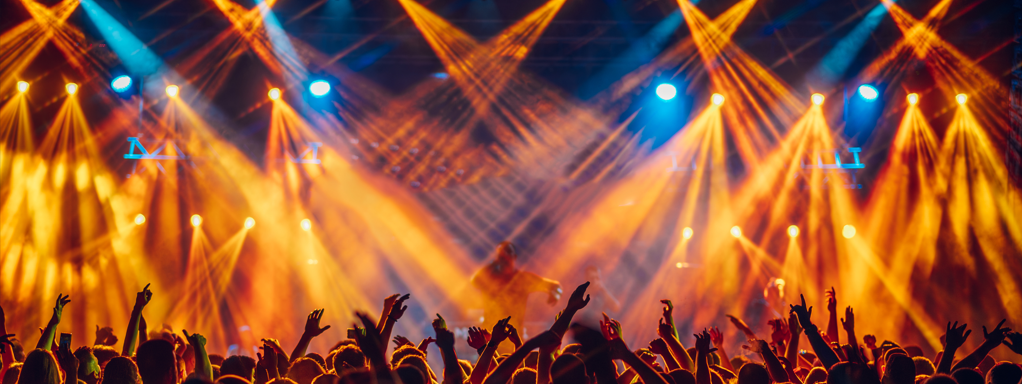
Planning an event means making many decisions, and lighting is one of the most important. Good lighting helps people see clearly, keeps attention on the right areas, and supports the overall flow of your event. Whether you are planning a business meeting, conference, trade show, wedding, or private event, taking time to plan your lighting can help everything come together.
If you are looking for lighting rentals in New Brunswick, it helps to understand what to expect before making a reservation. Every venue is different, and every event has its own needs. The right equipment depends on the size of the space, the type of event, and how you want guests to experience it. Before you book, there are a few things you should know that can save time, reduce stress, and help you make better decisions.
How to Book Lighting Rentals Without the Guesswork
1. Start With the Purpose of Your Event
Before you choose any lighting equipment, think about what your event needs. Different events call for different lighting setups.
A corporate meeting usually needs clear lighting for speakers and presentations. A trade show often needs lighting that helps display products and attract visitors. A wedding may use softer lighting during dinner and brighter lighting on the dance floor. A live performance often needs stage lighting that changes during the show.
When you know the purpose of your event, it becomes easier to choose the right equipment. Instead of renting everything available, you can focus on what supports your event.
2. Visit the Venue Before You Book
Every venue has its own layout. What works in one location may not work in another. That is why visiting the venue before booking lighting is a smart step.
Pay attention to details such as:
- Ceiling height
- Stage location
- Power outlets
- Windows and natural light
- Guest seating
- Places where lighting equipment can be installed
If you cannot visit the venue, ask for a floor plan or recent photos. The more you know about the space, the easier it will be to choose equipment that fits.
3. Choose Equipment That Fits the Size of the Event
Bigger events usually need more lighting, but more equipment does not always mean better results. The goal is to choose lighting that fits your space and your schedule.
Common rental options include:
- LED uplights
- Spotlights
- Wash lights
- Moving lights
- Stage lighting
- Wireless lighting systems
Think about how guests will move through the venue and where you want their attention. A simple lighting plan often works better than adding equipment that serves no purpose.
4. Find Out What Is Included in the Rental
Not every rental package includes the same services. Before you make a decision, ask what comes with the rental.
Some important questions include:
- Does the company deliver the equipment?
- Is setup included?
- Will someone test the equipment before the event?
- Is technical support available if something goes wrong?
- Who removes the equipment after the event?
Knowing these details ahead of time helps you avoid surprises and makes planning easier.
5. Set Your Budget Before You Compare Options
Lighting is only one part of your event budget. Setting your budget early helps you compare rental packages without feeling rushed.
Remember that the lowest price may not include delivery, setup, or support. Looking at the complete package gives you a better idea of the total cost.
When you know your budget, you can focus on equipment that supports your event without paying for features you may not use.
6. Leave Time to Test Everything
Testing the lighting before guests arrive is one of the easiest ways to avoid problems.
During the test, check:
- Brightness
- Stage visibility
- Color settings
- Lighting controls
- Power connections
If adjustments are needed, your team will have time to make them before the event begins. A short test can help presentations, performances, and other activities run more smoothly.
7. Work With a Company That Understands Complete Event Production
Lighting works best when it is planned with the rest of your event. Audio, video, staging, and lighting should support each other.
A company that understands complete event production can help you choose equipment that fits your venue, schedule, and technical needs. This can make planning easier, especially for larger meetings, conferences, trade shows, and live events.
When everything works together, setup becomes more organized, and your team has fewer last-minute concerns.
Key Takeaways
Booking event lighting is about more than renting equipment. When you understand your event goals, visit the venue, choose the right equipment, review the rental package, set your budget, and test everything before guests arrive, you give yourself a better chance of having a smooth event.
Every event is different, so taking time to plan your lighting is worth the effort. Whether you are organizing a conference, trade show, business meeting, wedding, or community event, working with an experienced event technology provider can simplify the process. Summit AV Group offers lighting, audio, video, staging, and technical support to help event organizers plan reliable event production from start to finish.