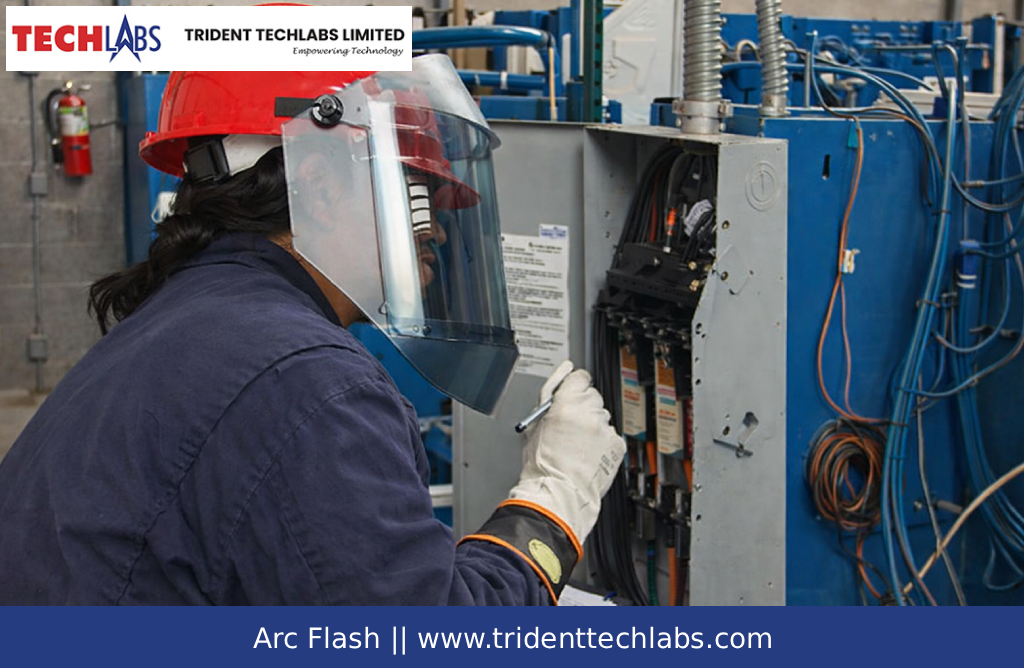
Electrical systems power almost every modern workplace. From manufacturing plants to data centers, electricity keeps operations running smoothly. However, electrical hazards can also create serious risks when organizations fail to follow proper safety practices. One of the most dangerous electrical hazards is an Arc Flash.
An Arc Flash can happen in a fraction of a second, yet it can cause severe injuries, equipment damage, costly downtime, and even fatalities. Because of these risks, organizations must understand and follow established safety regulations designed to protect workers and facilities.
This Arc Flash Compliance Guide explains what an Arc Flash is, why compliance matters, the major safety regulations involved, and the steps businesses should take to create a safer working environment.
What Is Arc Flash?
An Arc Flash is a sudden release of electrical energy through the air between conductors or from a conductor to the ground. It occurs when electricity leaves its intended path and creates an electric arc.
The temperatures generated during an Arc Flash can exceed 19,000°C, which is hotter than the surface of the sun. The event can produce:
- Intense heat
- Bright light
- Flying metal fragments
- Pressure waves
- Loud explosions
Workers located near the incident may suffer severe burns, hearing damage, vision problems, or other life-threatening injuries.
Simply put, an Arc Flash is not just a spark. It is a powerful energy release that requires serious safety planning and protection.
Why Arc Flash Compliance Matters
Many organizations focus on productivity, efficiency, and cost control. However, ignoring electrical safety can lead to consequences that cost far more than preventive measures.
Proper Arc Flash compliance helps organizations:
Protect Employees
The primary goal of compliance is worker safety. Employees who work on or near energized equipment face significant risks without proper protection.
Reduce Workplace Accidents
Regular inspections, training, and risk assessments reduce the likelihood of electrical incidents.
Minimize Downtime
Electrical accidents often damage equipment and disrupt operations. Compliance helps maintain business continuity.
Meet Regulatory Requirements
Many countries and industries require organizations to follow specific electrical safety standards. Non-compliance may result in penalties, legal issues, and reputational damage.
Improve Safety Culture
When safety becomes a priority, employees develop greater awareness and confidence while performing electrical tasks.
Common Causes of Arc Flash Incidents
Understanding the causes of an Arc Flash helps organizations implement effective preventive measures.
Some common causes include:
Human Error
Mistakes during maintenance, testing, or equipment operation remain one of the leading causes of Arc Flash incidents.
Equipment Failure
Damaged insulation, loose connections, and aging equipment can increase the likelihood of electrical faults.
Poor Maintenance
Lack of regular inspections may allow electrical issues to develop unnoticed.
Dust and Contamination
Conductive dust, moisture, and corrosion can create conditions that trigger electrical arcing.
Improper Work Practices
Using incorrect tools or bypassing safety procedures can significantly increase risk.
The good news is that many of these causes are preventable through proper planning and compliance programs.
Understanding Arc Flash Safety Regulations
Several recognized standards help organizations manage Arc Flash risks. These standards provide guidance on hazard assessment, protective equipment, employee training, and safe work practices.
NFPA 70E
The National Fire Protection Association developed NFPA 70E to improve workplace electrical safety.
This standard focuses on:
- Hazard identification
- Risk assessments
- Safe work procedures
- Employee training
- Personal protective equipment (PPE)
NFPA 70E is widely used as a benchmark for electrical safety programs.
OSHA Requirements
The Occupational Safety and Health Administration (OSHA) requires employers to provide a workplace free from recognized hazards.
While OSHA does not publish a dedicated Arc Flash standard, it often references industry standards such as NFPA 70E when evaluating workplace safety practices.
Organizations must identify electrical hazards and implement controls to protect employees.
IEEE Standards
The Institute of Electrical and Electronics Engineers (IEEE) provides technical guidance for calculating Arc Flash hazards.
One of the most widely referenced documents is IEEE 1584, which helps engineers determine incident energy levels and establish safe working distances.
What Is an Arc Flash Risk Assessment?
An Arc Flash risk assessment identifies potential hazards and determines the level of protection workers require.
The assessment typically includes:
Equipment Evaluation
Engineers review electrical systems, switchgear, panels, transformers, and other equipment.
Fault Current Analysis
The analysis determines how much energy could be released during a fault.
Incident Energy Calculation
This step estimates the amount of thermal energy workers could experience during an Arc Flash event.
Boundary Determination
Safety boundaries identify how close personnel can safely approach energized equipment.
PPE Selection
The assessment helps determine the appropriate protective clothing and equipment required for specific tasks.
Risk assessments should be updated whenever significant changes occur within the electrical system.
Personal Protective Equipment for Arc Flash Safety
PPE serves as the last line of defense when other protective measures cannot eliminate risk.
Common Arc Flash PPE includes:
Arc-Rated Clothing
These garments resist ignition and reduce burn injuries during an electrical incident.
Face Shields
Face shields protect workers from heat, light, and flying debris.
Safety Helmets
Helmets help protect against impact and electrical hazards.
Voltage-Rated Gloves
Specialized gloves provide insulation from electrical currents.
Hearing Protection
Arc Flash events often generate extremely loud pressure waves that can damage hearing.
Organizations should always select PPE based on the results of a formal Arc Flash assessment rather than making assumptions.
Arc Flash Labels and Warning Signs
Proper labeling plays a critical role in workplace safety.
Arc Flash labels typically include:
- Incident energy information
- Required PPE level
- Voltage details
- Arc Flash boundary information
- Equipment identification
These labels help workers make informed decisions before interacting with electrical equipment.
Clear and visible warning signs also reinforce safety awareness throughout the facility.
Employee Training and Awareness
Even the best safety equipment cannot replace proper training.
Employees should understand:
- Arc Flash hazards
- Safe work practices
- Emergency procedures
- Lockout/tagout requirements
- PPE selection and use
- Electrical safety boundaries
Regular refresher training helps workers stay informed about evolving safety standards and workplace procedures.
Think of training like a seatbelt. You hope you never need it, but when something unexpected happens, you’ll be glad it’s there.
Best Practices for Arc Flash Compliance
Organizations can strengthen their compliance programs by following several proven strategies.
Conduct Regular Assessments
Electrical systems change over time. Periodic evaluations ensure hazard information remains accurate.
Maintain Equipment Properly
Routine inspections and preventive maintenance reduce the likelihood of equipment failures.
Update Safety Documentation
Keep single-line diagrams, maintenance records, and safety procedures current.
Use Qualified Personnel
Only trained and qualified individuals should perform work on energized electrical equipment.
Follow Lockout/Tagout Procedures
Whenever possible, de-energize equipment before maintenance or repair activities.
Review Compliance Programs Regularly
Safety standards evolve. Regular reviews help organizations stay aligned with current requirements.
Technology’s Role in Arc Flash Safety
Modern technology has significantly improved electrical safety management.
Organizations now use:
- Digital safety management systems
- Intelligent monitoring solutions
- Predictive maintenance tools
- Thermal imaging inspections
- Real-time equipment diagnostics
These technologies help identify potential problems before they become serious hazards.
Companies such as Trident Techlabs Limited support industries with advanced engineering and testing solutions that help improve electrical system reliability and workplace safety.
Common Arc Flash Compliance Mistakes
Many organizations unintentionally weaken their safety programs by making avoidable mistakes.
Some common examples include:
- Using outdated Arc Flash studies
- Ignoring equipment modifications
- Providing insufficient employee training
- Failing to inspect PPE regularly
- Skipping preventive maintenance
- Relying on assumptions instead of documented assessments
Addressing these issues can significantly improve overall compliance and safety performance.
The Future of Arc Flash Safety
Electrical systems continue to become more complex as industries adopt automation, smart manufacturing, and digital infrastructure.
As technology evolves, Arc Flash safety programs will increasingly focus on:
- Real-time monitoring
- Predictive analytics
- Enhanced protective equipment
- Digital compliance management
- Improved worker training methods
Organizations that invest in proactive safety measures today will be better prepared for future challenges.
Conclusion
Arc Flash hazards represent one of the most serious risks in electrical workplaces. Fortunately, organizations can significantly reduce these dangers through proper planning, risk assessments, employee training, PPE selection, and compliance with recognized safety standards.
Understanding and following Arc Flash safety regulations is not simply about meeting requirements. It is about protecting people, preserving equipment, and maintaining operational reliability.
A strong compliance program creates a safer workplace, reduces costly incidents, and demonstrates a genuine commitment to employee well-being. When it comes to electrical safety, prevention will always be more effective than reaction.