Let’s be honest. Most people never think about their auto glass until something goes wrong. One morning you walk out to your car and there it is, a crack spiderwebbing across your windshield after a rock decided your drive home was the perfect opportunity to strike. Suddenly, you are staring at a repair you know nothing about, wondering what it costs, how long it takes, and whether your insurance will help.
If that sounds familiar, you are in the right place. This guide walks you through everything you need to know about auto glass replacement, from understanding what type of glass your car actually has to navigating insurance and picking the right technician. No jargon, no fluff, just real, practical information.
What Is Auto Glass and Why Does It Matter More Than You Think
Your car’s glass is not just there so you can see where you are going. It plays a structural role in your vehicle’s safety. In a rollover accident, for example, the windshield can account for up to 60% of your car’s cabin strength. That is not a small thing. It acts almost like the spine of your car’s roof support system.
When that glass is compromised, even by a chip the size of a quarter, the integrity of the whole system takes a hit.
The Different Types of Auto Glass on Your Vehicle
Not all glass on your car is the same, and that matters when it comes to replacement.
Windshield glass is laminated, meaning it is two layers of glass bonded together with a plastic interlayer. This design keeps the glass from shattering into dangerous shards when it breaks.
Side windows and rear windows are made from tempered glass, which is heat-treated to make it much stronger than standard glass. When it does break, it crumbles into small pebbles rather than jagged pieces.
Each type requires a different approach during replacement, which is why you want a technician who actually knows the difference.
Why a Small Crack Is Never Really “Small”
Think of a crack in your windshield like a crack in a dam wall. It might look minor on the surface, but the pressure and vibration of everyday driving will cause it to spread. Temperature changes make it worse too. Cold mornings followed by warm afternoons create expansion and contraction that push cracks further across the glass.
A chip that could have been repaired for a small fee can turn into a full windshield replacement job within days if left alone.
Signs You Need Auto Glass Replacement Right Now
Repairs are possible in some situations, but there are clear signs that tell you replacement is the only real answer.
Cracks and Chips That Are Beyond Repair
Repair is generally an option when the damage is smaller than a dollar bill and not in a critical area. Once a crack is longer than about six inches, or if there are multiple chips close together, replacement is the better path forward. A good technician will be upfront about which option applies to your situation.
Also, if the damage has been sitting for a while and dirt or moisture has worked its way into the crack, a repair will not hold as cleanly. Replacement gives you a clean slate.
Damage That Affects Your Line of Sight
Any crack or chip that sits directly in the driver’s line of sight is a safety issue, full stop. Even a small chip in that zone can scatter light and create glare, which is especially dangerous at night or in heavy rain. Most reputable technicians will not attempt a repair in this area because the optical distortion from the resin fill is not worth the risk.
Understanding the Auto Glass Replacement Process Step by Step
If you have never had a windshield replaced, it might seem like a complicated procedure. It really is not when you understand the steps.
What Happens Before the Technician Even Touches Your Car
A good auto glass company will start by verifying your vehicle’s year, make, and model to source the correct glass. This matters more than most people realize. Hundreds of glass part numbers exist across different trims of the same model. Using the wrong glass is not something you want to find out about after the fact.
At CarLove Glass, they use the same OEM glass distributors as the dealerships, which means you are getting the right fit and quality from the start.
The Actual Removal and Installation Process
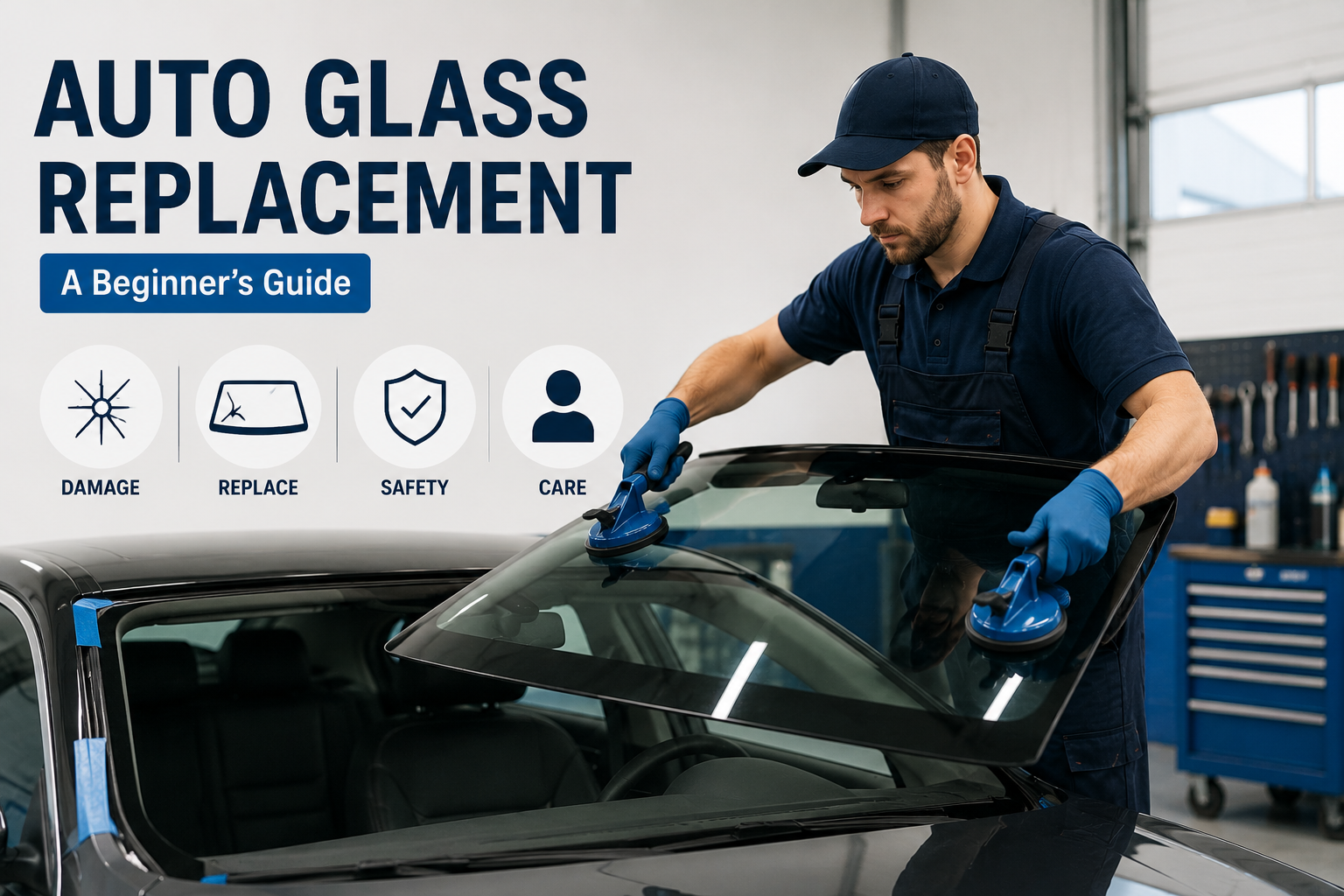
Once the correct glass arrives, the technician removes the old windshield by cutting through the adhesive that bonds it to the frame. The frame is then cleaned thoroughly to remove any old adhesive, rust, or debris. This step is critical because even a small amount of debris under the new glass can affect the seal.
Fresh urethane adhesive is applied around the pinch weld, and the new glass is carefully set into place. From there, the vehicle needs to sit undisturbed while the adhesive cures.
OEM vs. Aftermarket Glass: Which One Should You Choose?
This is one of the most common questions beginners ask. OEM (Original Equipment Manufacturer) glass is made to the exact specifications of your car’s original glass. Aftermarket glass is produced by third-party manufacturers and is generally cheaper, but quality can vary quite a bit between brands.
For most everyday vehicles, high-quality aftermarket glass works just fine. But if your vehicle has a windshield with embedded features like rain sensors, heated elements, or a heads-up display, OEM glass is often the safer bet to make sure those features work correctly after installation.
Why Mobile Windshield Replacement Is a Game-Changer
Here is something a lot of people do not know: you do not have to drive your cracked windshield to a shop. Mobile windshield replacement brings the whole operation to you, whether you are at home, at work, or basically anywhere else that works for your schedule.
How the Process Works When the Tech Comes to You
A mobile technician arrives at your chosen location with everything they need. The glass, the adhesive, the tools, all of it. The vehicle does not need to be inside a garage or on a lift. A flat, level surface works just fine.
The process is identical to a shop-based replacement. The damaged glass comes out, the frame gets cleaned and prepped, fresh adhesive goes on, and the new glass is installed. You stay at home or finish your workday while the job gets done.
Is Mobile Service Just as Good as Shop-Based Replacement?
Short answer: yes, when you work with a qualified technician. The tools and materials used are the same. The quality of the seal depends on the technician’s skill and the adhesive they use, not on whether the job happened in a shop or your driveway.
CarLove Glass specializes in exactly this kind of mobile service across South Carolina, with a 24-hour turnaround in most cases. That kind of speed and convenience is hard to beat.
Insurance and Auto Glass Replacement: What You Need to Know
This is where a lot of beginners get confused, and honestly, that confusion is understandable. Insurance policies can feel like they are written specifically to be hard to read.
Will Your Insurance Actually Cover It?
If you have comprehensive coverage on your vehicle, there is a strong chance your windshield replacement is covered. Comprehensive coverage handles damage that is not related to a collision, including flying rocks, falling branches, vandalism, and weather events.
In South Carolina specifically, comprehensive deductibles are waived for windshield claims. That means if you have comprehensive coverage, you could be looking at zero out-of-pocket cost. This is not the case everywhere, but it is worth checking your policy details or asking your provider directly. According to Safelite’s insurance guide, most major insurers handle glass claims separately from collision claims, so filing one typically does not raise your rates.
How to File a Glass Claim Without the Headache
The good news is that filing a glass claim is usually one of the simpler insurance processes. You call your insurer, describe the damage, provide your policy number and vehicle details, and they will direct you to an approved provider or allow you to choose your own.
CarLove Glass works directly with insurance companies on your behalf, handling the pricing and paperwork so you do not have to manage any of it yourself. If you have your insurance company’s app, their team can even walk you through the approval process in just a few minutes.
ADAS Recalibration: The Step Most People Skip
Here is something that trips up a lot of vehicle owners who have modern cars. If your windshield has a forward-facing camera attached to it, which many vehicles from the last ten years do, that camera is part of your Advanced Driver Assistance System (ADAS). We are talking about features like automatic emergency braking, lane departure warnings, and adaptive cruise control.
When your windshield is replaced, that camera needs to be recalibrated to work properly with the new glass. Skipping this step is not a minor oversight. A camera that is even slightly off alignment can give your vehicle inaccurate readings, which can compromise safety features you rely on without even realizing it.
Always ask your auto glass provider whether your vehicle requires ADAS recalibration as part of the replacement service.
How to Choose the Right Auto Glass Company
Not every company that offers auto glass replacement is operating at the same level. Here is what to look for when making your choice.
Look for a company that asks detailed questions about your vehicle before quoting you. If someone quotes you a price without confirming your year, make, model, and glass type, that is a red flag. Glass part numbers matter, and cutting corners on parts is common in this industry.
Check for a workmanship warranty. A company that stands behind its work will offer one. CarLove Glass, for example, backs every installation with a lifetime workmanship warranty for as long as you own or lease the vehicle.
Look at reviews, but look past the star rating. Read what actual customers say about the technician’s punctuality, communication, and the quality of the seal after installation. Those details tell you a lot more than a five-star average.
Conclusion
Auto glass replacement does not have to be a stressful experience. Once you understand what is involved, how to navigate insurance, and what to look for in a good technician, the whole process becomes a lot more manageable. The key takeaways here are simple: do not ignore small damage, understand your insurance coverage, make sure ADAS recalibration is addressed if needed, and choose a company that communicates clearly and backs its work.
Whether you go with a traditional shop or take advantage of mobile windshield replacement, what matters most is that the job is done right the first time.
Frequently Asked Questions
1. How long does auto glass replacement actually take?
Most windshield replacements take between 60 and 90 minutes for the installation itself. However, you should avoid driving the vehicle for at least an hour after installation to give the adhesive time to set properly. Your technician will give you a specific safe drive-away time based on the adhesive used.
2. Can I drive my car with a cracked windshield?
Technically yes, but it is not a good idea. Depending on the size and location of the crack, it may also be illegal in your state. More importantly, a compromised windshield reduces your car’s structural integrity in an accident. Get it assessed as quickly as possible.
3. Will filing a glass claim raise my insurance rates?
In most cases, no. Glass claims are generally considered no-fault claims and are handled separately from collision claims. In South Carolina, comprehensive deductibles for windshield claims are waived entirely, making it even more straightforward.
4. What is the difference between a windshield repair and a replacement?
A repair fills a chip or short crack with a clear resin that bonds to the glass and prevents it from spreading. It is quick and inexpensive. A replacement removes the entire windshield and installs a new one. Replacement is needed when the damage is too large to repair, in your line of sight, or has been compromised by dirt or moisture.
5. Does mobile windshield replacement cost more than going to a shop?
Not necessarily. Many mobile providers charge the same rate as shop-based services because they save on facility overhead. With insurance covering most replacements, the out-of-pocket difference is often zero regardless of which service you choose.