Preparing for the Registered Behavior Technician (RBT) exam can feel overwhelming at first, especially if you are new to applied behavior analysis (ABA). A well-structured rbt study guide can simplify complex topics, improve retention, and help you prepare faster and more confidently. Instead of memorizing everything randomly, you need a clear roadmap that covers the exam structure, key concepts, and effective study strategies.
This beginner-friendly guide breaks everything down into manageable sections so you can study efficiently and focus only on what truly matters for the RBT certification exam.
Understanding the RBT Exam Structure
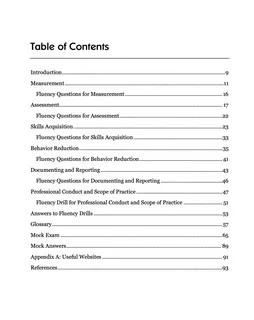
The first step in using an effective rbt study guide is understanding what the exam actually tests. The RBT exam is based on the RBT Task List provided by the Behavior Analyst Certification Board (BACB), which includes key areas such as measurement, assessment, skill acquisition, behavior reduction, documentation, and professional conduct.
The exam typically consists of multiple-choice questions designed to test your understanding of real-world ABA applications. It is not just about memorization; you must understand how to apply concepts in practical situations, such as working with clients under supervision.
A beginner should focus on identifying how each section of the task list connects to daily RBT responsibilities. This helps you prioritize your study time and avoid wasting effort on less relevant material.
By familiarizing yourself with the structure early, your rbt study guide becomes more targeted and efficient, reducing exam stress significantly.
Key ABA Concepts You Must Master
A strong rbt study guide always starts with core ABA concepts. These include reinforcement, punishment, extinction, prompting, shaping, and chaining. Understanding these terms is essential because they form the foundation of nearly every exam question.
Reinforcement is one of the most important concepts. It refers to anything that increases the likelihood of a behavior occurring again. Positive reinforcement adds a stimulus, while negative reinforcement removes an unpleasant one. Many exam questions test your ability to distinguish between these types.
Punishment, on the other hand, decreases behavior, but it must be used carefully and ethically under supervision. Understanding the difference between reinforcement and punishment is critical for passing the exam.
Other essential concepts include stimulus control, generalization, and maintenance. A beginner should not just memorize definitions but also practice identifying these concepts in real-life scenarios. This approach makes your rbt study guide much more practical and effective.
Measurement and Data Collection Techniques
Measurement is a major section of the RBT exam and an important part of any rbt study guide. As an RBT, you will constantly collect data to track client progress, so understanding measurement techniques is essential.
Key measurement tools include frequency, duration, latency, rate, and percentage. Each method serves a different purpose. For example, frequency measures how often a behavior occurs, while duration measures how long it lasts.
You must also understand continuous vs. discontinuous measurement. Continuous measurement captures every instance of behavior, while discontinuous measurement samples behavior at intervals. These differences are commonly tested in the exam.
Accurate data collection is critical in ABA because treatment decisions depend on it. Your rbt study guide should include practice questions that help you identify which measurement method to use in different scenarios.
Behavior Reduction and Skill Acquisition Strategies
Behavior reduction and skill acquisition are two of the most heavily tested areas in the RBT exam. A good rbt study guide will explain how these strategies are used in real therapy sessions.
Behavior reduction focuses on decreasing harmful or interfering behaviors. Techniques may include extinction, differential reinforcement, and antecedent interventions. However, RBTs must always follow behavior intervention plans designed by supervisors.
Skill acquisition, on the other hand, focuses on teaching new behaviors such as communication, social skills, and daily living skills. Techniques like task analysis, prompting, and reinforcement are commonly used.
Understanding how to apply these strategies is more important than memorizing definitions. Exam questions often describe a situation and ask you to choose the best intervention. A well-prepared rbt study guide helps you practice these scenario-based questions so you can respond accurately under exam conditions.
Ethics, Professional Conduct, and Exam Readiness
Ethics and professional behavior are crucial parts of the RBT exam and a key focus of any rbt study guide. RBTs must follow strict ethical guidelines set by the BACB, including confidentiality, professionalism, and maintaining appropriate boundaries with clients.
You should understand what actions are considered appropriate or inappropriate in the workplace. For example, sharing client information without permission is a violation of confidentiality and can lead to serious consequences.
Professional conduct also includes working under supervision, reporting concerns, and accurately documenting data. Many exam questions test your ability to identify ethical violations in workplace scenarios.
To prepare effectively, your rbt study guide should include review quizzes, flashcards, and mock exams. Practicing regularly helps reinforce concepts and improves your speed and accuracy during the real test.
Conclusion
A beginner-friendly approach to exam preparation starts with a clear and structured rbt study guide that breaks down complex ABA concepts into simple, manageable sections. By understanding the exam structure, mastering key ABA principles, learning measurement techniques, and practicing behavior intervention strategies, you can build strong confidence for the RBT exam.
Consistent study habits, combined with real-world scenario practice, will significantly improve your chances of passing on the first attempt. Instead of rushing through the material, focus on understanding how each concept applies in practical settings. With the right preparation strategy, success becomes much more achievable.