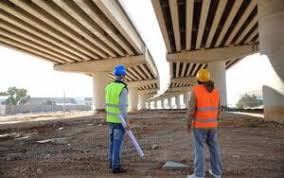
Bridges are among the most important parts of any transportation network. They connect cities, support economic growth, and ensure the smooth movement of people and goods every day. However, continuous exposure to traffic loads, environmental conditions, moisture, pollution, and aging gradually weakens bridge structures. Without timely maintenance and rehabilitation, minor defects can develop into major structural problems that affect safety and serviceability. This is why bridge repair services has become an essential solution for preserving existing infrastructure instead of replacing it completely.
Why Bridge Rehabilitation Is Becoming More Important
India’s rapidly growing transportation network has increased the demand for safe and durable bridges. Many bridges constructed decades ago now face deterioration due to higher traffic volumes than originally anticipated. Heavy commercial vehicles, changing weather conditions, and natural aging reduce structural performance over time. Instead of opting for complete reconstruction, rehabilitation provides an economical and efficient way to restore structural integrity while minimizing disruptions to daily transportation and public convenience.
Common Reasons Bridges Require Rehabilitation
Every bridge experiences gradual wear throughout its service life. Cracks in concrete, reinforcement corrosion, surface scaling, expansion joint failures, drainage problems, and foundation settlement are some of the common issues that require attention. Environmental factors like coastal humidity, chemical exposure, flooding, and pollution accelerate deterioration further. Regular inspections help identify these problems early, allowing engineers to recommend suitable rehabilitation techniques before structural damage becomes severe.
Signs That Indicate a Bridge Needs Immediate Attention
Visible damage often serves as the first warning that rehabilitation is necessary. Cracks widening over time, exposed reinforcement bars, concrete spalling, excessive vibrations, rust stains, water leakage, uneven deck surfaces, and damaged bearings should never be ignored. Even if these issues appear minor, they may indicate deeper structural weaknesses. Early intervention significantly reduces repair costs while improving the bridge’s overall safety and extending its operational life.
Understanding the Bridge Rehabilitation Process
Bridge rehabilitation begins with a detailed structural assessment rather than immediate repairs. Engineers inspect every structural component using visual surveys, non-destructive testing, load analysis, and material evaluations. Based on inspection findings, they prepare a rehabilitation strategy that addresses current defects while improving long-term performance. This systematic approach ensures every repair solution matches the bridge’s condition instead of applying unnecessary or ineffective repair methods.
Structural Assessment Before Rehabilitation
A comprehensive structural evaluation forms the foundation of every successful rehabilitation project. Engineers study original drawings, previous maintenance records, traffic patterns, material strength, foundation conditions, and environmental exposure. Advanced inspection methods such as rebound hammer testing, ultrasonic pulse velocity testing, corrosion mapping, and crack monitoring provide accurate information about structural health. These assessments help prioritize repairs while ensuring rehabilitation investments deliver maximum long-term value.
Common Bridge Rehabilitation Techniques
Modern rehabilitation projects use various engineering solutions depending on structural requirements. Concrete restoration replaces deteriorated sections while maintaining original geometry. Epoxy injection repairs structural cracks by restoring continuity within concrete members. Steel plate bonding, carbon fiber reinforcement, column strengthening, deck rehabilitation, waterproofing systems, and bearing replacements improve structural performance without requiring complete bridge replacement. Selecting the appropriate technique depends entirely on engineering evaluation and actual bridge conditions.
Importance of Concrete Repair in Bridge Rehabilitation
Concrete serves as the primary load-bearing material in many bridges. Continuous moisture exposure, chloride penetration, carbonation, and freeze-thaw cycles gradually reduce concrete durability. Rehabilitation often involves removing deteriorated concrete, cleaning reinforcement, applying corrosion protection, and restoring damaged areas with specialized repair materials. Proper concrete repair not only improves appearance but also restores structural capacity while preventing further deterioration caused by environmental exposure.
Preventing Reinforcement Corrosion
Corrosion remains one of the leading causes of bridge deterioration across urban and coastal regions. Water, salts, pollutants, and carbon dioxide penetrate concrete over time, reaching embedded steel reinforcement. As corrosion expands, it creates internal pressure that causes cracking and concrete spalling. Rehabilitation includes corrosion treatment, protective coatings, cathodic protection where required, and improved waterproofing systems to reduce future deterioration while increasing structural durability.
Role of Waterproofing in Bridge Longevity
Water infiltration accelerates many forms of structural damage within bridges. Effective waterproofing systems prevent moisture from reaching reinforcement bars and structural concrete. Modern bridge rehabilitation projects often include deck waterproofing membranes, improved drainage systems, joint sealing, and protective surface coatings. These preventive measures significantly reduce maintenance requirements while protecting repaired sections from future environmental damage and extending the bridge’s service life considerably.
Strengthening Bridges for Increased Traffic Loads
Traffic patterns have changed significantly over the past few decades. Bridges originally designed for lighter vehicles now carry heavy commercial transportation daily. Rehabilitation often includes structural strengthening to accommodate these increased loads safely. Engineers may strengthen beams, slabs, columns, girders, and foundations using advanced materials that improve load-carrying capacity while minimizing additional structural weight and construction time.
Benefits of Carbon Fiber Strengthening
Carbon fiber reinforcement has become one of the preferred strengthening techniques in bridge rehabilitation. It offers exceptional strength while adding minimal weight to existing structures. Carbon fiber wrapping improves flexural capacity, shear resistance, and durability without requiring extensive demolition. Because installation is relatively fast, traffic disruptions remain limited, making this solution particularly suitable for busy bridges where minimizing downtime is essential.
Importance of Expansion Joint Rehabilitation
Expansion joints allow bridges to expand and contract due to temperature variations. Over time, these joints deteriorate because of continuous traffic movement and weather exposure. Damaged joints allow water infiltration that affects supporting components beneath the bridge deck. Rehabilitation includes replacing worn joints, improving sealing systems, and restoring drainage functionality. Maintaining expansion joints properly helps protect the entire bridge structure from long-term deterioration.
Foundation Rehabilitation for Structural Stability
Bridge foundations often experience erosion, settlement, scour, or material deterioration throughout their service life. These issues directly affect structural stability if left unaddressed. Rehabilitation techniques include foundation strengthening, grouting, concrete jacketing, pile repairs, and scour protection measures. Addressing foundation problems early ensures the entire bridge continues functioning safely while preventing more extensive structural damage that could require costly reconstruction.
Importance of Regular Bridge Inspections
Routine bridge inspections are one of the most effective ways to reduce rehabilitation costs. Scheduled evaluations identify defects during their early stages before they develop into serious structural concerns. Engineers monitor crack growth, corrosion activity, movement, material degradation, and load performance through systematic inspections. Preventive maintenance supported by regular assessments extends bridge life while ensuring public safety and reducing emergency repair requirements.
Bridge Rehabilitation Services in Mumbai
The growing transportation network and aging infrastructure have increased the demand for Bridge Rehabilitation Services in Mumbai. Urban bridges experience constant traffic congestion, pollution, coastal humidity, and heavy environmental exposure that accelerate structural deterioration. Timely rehabilitation helps restore structural capacity while minimizing disruptions to daily transportation. Engineering solutions designed specifically for local environmental conditions ensure bridges remain safe, reliable, and capable of supporting increasing traffic demands for many years.
Choosing Experienced Bridge Repair Contractors
Selecting experienced bridge repair contractors plays a critical role in the success of any rehabilitation project. Professional contractors understand structural behavior, repair materials, quality control procedures, and safety requirements necessary for infrastructure projects. Their expertise ensures rehabilitation work follows engineering specifications while maintaining project timelines. Proper planning, skilled execution, and strict quality assurance together produce durable rehabilitation outcomes that reduce future maintenance needs.
Importance of Professional Bridge Repair Services
Reliable bridge repair services involve much more than fixing visible defects. They include structural investigations, engineering analysis, rehabilitation planning, material selection, repair execution, performance monitoring, and long-term maintenance recommendations. A comprehensive repair strategy addresses the root causes of deterioration instead of temporarily covering surface damage. This integrated approach delivers safer bridges while maximizing the lifespan of valuable infrastructure investments.
Economic Benefits of Bridge Rehabilitation
Bridge rehabilitation offers significant financial advantages compared to complete replacement. Rehabilitation requires lower investment, shorter construction periods, reduced traffic diversions, and less environmental impact. By preserving existing structural components wherever possible, rehabilitation minimizes material consumption while maintaining transportation continuity. Governments, municipalities, industries, and infrastructure owners increasingly prefer rehabilitation because it provides sustainable solutions that balance performance, safety, and long-term cost efficiency.
Sustainable Infrastructure Through Rehabilitation
Sustainability has become an important consideration in modern infrastructure management. Rehabilitating existing bridges reduces demolition waste, conserves construction materials, lowers carbon emissions, and minimizes environmental disturbance. Instead of replacing functional structures entirely, rehabilitation extends useful service life through targeted engineering interventions. This approach supports sustainable urban development while maximizing the value of previous infrastructure investments and reducing the environmental footprint of construction activities.
Future Trends in Bridge Rehabilitation
Technology continues transforming bridge rehabilitation practices across the infrastructure industry. Digital inspections using drones, structural health monitoring sensors, artificial intelligence, advanced repair materials, corrosion-resistant reinforcement, and predictive maintenance systems improve rehabilitation planning significantly. These innovations enable engineers to detect deterioration earlier, optimize repair strategies, reduce maintenance costs, and improve the long-term reliability of bridges serving growing transportation demands.
Bridge rehabilitation is a strategic investment that protects public safety, reduces long-term maintenance costs, and extends the operational life of critical infrastructure. Whether addressing concrete deterioration, corrosion, structural strengthening, or waterproofing, timely engineering intervention delivers lasting performance benefits. For organizations seeking dependable rehabilitation solutions, Gubbi Civil Engineers Limited offers professional engineering expertise focused on restoring structural integrity through technically sound rehabilitation methods that support durable and sustainable infrastructure for the future.