Choosing the best offshore jurisdiction is an important decision for entrepreneurs, investors, and global business owners who want to expand internationally. The right jurisdiction can help reduce operational costs, improve business flexibility, protect assets, and provide access to global banking systems.
However, offshore company formation is not just about taxes. It is about building a strong legal structure that supports long-term international business growth while staying compliant with regulations.
This guide explains everything in a simple and clear way, including benefits, formation steps, legal compliance, and real-world advantages.
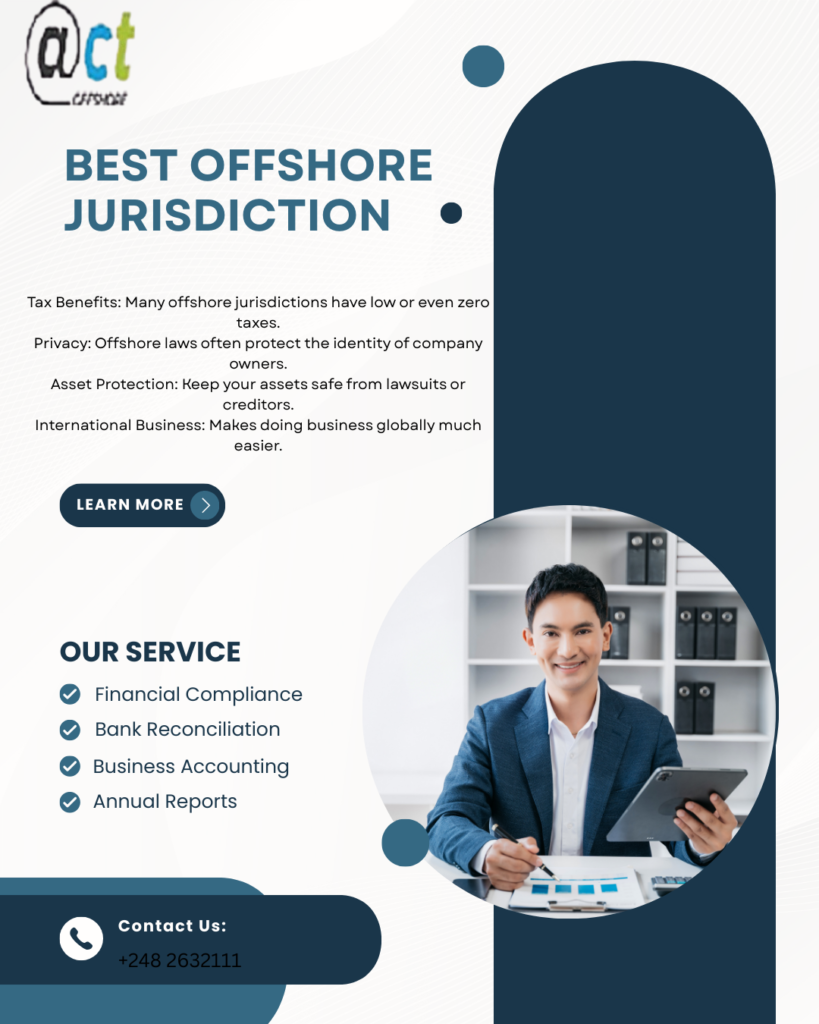
What Is an Offshore Jurisdiction?
An offshore jurisdiction is a country or territory where a company is registered outside the owner’s home country. These jurisdictions offer business-friendly laws that support international trade, investment, and corporate structuring.
Common features include:
- Flexible company regulations
- International business support
- Privacy protections
- Simplified administrative rules
- Global banking access
Benefits of Offshore Jurisdictions
Offshore structures are widely used because they provide several important advantages:
Asset Protection
Offshore companies help separate personal and business assets, reducing financial risk.
Global Business Expansion
They allow companies to operate internationally without setting up multiple local entities.
Tax Efficiency (Legal Planning)
Some jurisdictions offer favorable tax structures that support legal tax optimization.
Financial Privacy
Ownership details may not always be publicly accessible, depending on jurisdiction rules.
International Banking Access
Offshore companies can open multi-currency accounts and operate globally.
Business Flexibility
Fewer restrictions compared to domestic company structures.
Investment Structuring
Ideal for holding global assets such as shares, property, or digital investments.
Step-by-Step Offshore Company Formation Process
Step 1: Choose a Jurisdiction
Popular options include Seychelles, BVI, Cayman Islands, Belize, Panama, and UAE Free Zones. Each has different advantages depending on your business needs.
Step 2: Select a Company Structure
Common options include:
- IBC (International Business Company) for trading and online businesses
- LLC for startups and service businesses
- Trust for wealth protection
- Foundation for long-term asset management
Step 3: Prepare Documents
Usually required:
- Passport copy
- Address proof
- Business activity description
- Shareholder and director details
Step 4: Company Registration
A registered agent submits documents, pays fees, and completes incorporation. You receive a certificate of incorporation after approval.
Step 5: Open a Bank Account
Depending on jurisdiction, you may open:
- Traditional bank accounts
- EMI accounts
- Crypto-friendly accounts (where available)
Step 6: Maintain Compliance
Annual renewals and filings must be completed to keep the company active.
Legal Compliance Requirements
Modern offshore jurisdictions follow international regulations to ensure transparency and security.
Important compliance rules include:
- KYC (Know Your Customer) verification
- AML (Anti-Money Laundering) policies
- Annual reporting requirements
- Beneficial ownership disclosure
- Economic substance requirements in some cases
Compliance is essential to maintain banking access and legal protection.
Popular Offshore Jurisdictions
Seychelles
Fast registration, low cost, and flexible laws. Ideal for startups and online businesses.
British Virgin Islands (BVI)
Strong reputation, widely accepted by banks, and suitable for holding companies.
Cayman Islands
Premium financial center used for investment funds and institutional structures.
Belize
Affordable and simple, ideal for small businesses.
Panama
Strong trade infrastructure and long-standing corporate system.
UAE Free Zones
Modern, business-friendly, and strong banking ecosystem.
Real-World Advantages
Offshore companies are widely used in real business operations:
- E-commerce businesses operate globally without restrictions
- Consulting firms serve international clients easily
- Investment companies manage global portfolios
- Crypto businesses use flexible regulatory environments
- Holding companies control multiple subsidiaries worldwide
These structures help businesses scale faster and operate more efficiently.
Common Mistakes to Avoid
- Choosing only based on low taxes
- Ignoring banking restrictions
- Not understanding compliance rules
- Using unverified agents
- Poor long-term planning
Offshore Setup Checklist
- Define business purpose clearly
- Select the right structure
- Compare jurisdictions
- Confirm banking options
- Understand compliance requirements
- Estimate total costs
- Plan long-term strategy
Future Trends
The offshore industry is evolving with:
- Digital company formation
- Increased global transparency
- Crypto regulation frameworks
- AI-driven compliance systems
- Growth of fintech ecosystems
Conclusion
Choosing the best offshore jurisdiction is a strategic decision that affects taxation, banking access, compliance, and long-term business success. Entrepreneurs should focus on legal stability, banking options, and scalability instead of only looking at low costs.
A properly structured offshore company can support global expansion, protect assets, and improve business efficiency when set up correctly and legally.
FAQs
What is the best offshore jurisdiction for beginners?
Seychelles and Belize are often preferred due to low cost and simple setup.
Is offshore company formation legal?
Yes, it is legal when properly structured and compliant with laws.
Which offshore jurisdiction is best for banking?
BVI and UAE Free Zones are widely preferred.
How long does setup take?
It usually takes 1 to 14 days depending on jurisdiction.
Do offshore companies pay taxes?
It depends on jurisdiction and the owner’s country of residence.
Can offshore companies operate globally?
Yes, they are designed for international business operations.