Hybrid vehicles have revolutionized the way we look at modern transportation. Merging fuel efficiency with lower emissions, cars like the Toyota Prius, Honda Civic Hybrid, and various Camry models have become staples on our roads. At the heart of these eco-friendly machines lies a powerful, sophisticated component: the hybrid battery pack. Understanding how this high-voltage battery works, how to maintain it, and what to do when its performance drops is essential for every hybrid owner.
Many drivers worry about the eventual decline of their vehicle’s battery cells. While a dealership might tell you that a completely new factory replacement is your only option, there are actually multiple routes available. This comprehensive guide will explore how these advanced energy storage systems function, the clear warning signs of failure, and the cost-effective alternatives available to keep your vehicle running smoothly for years to come.
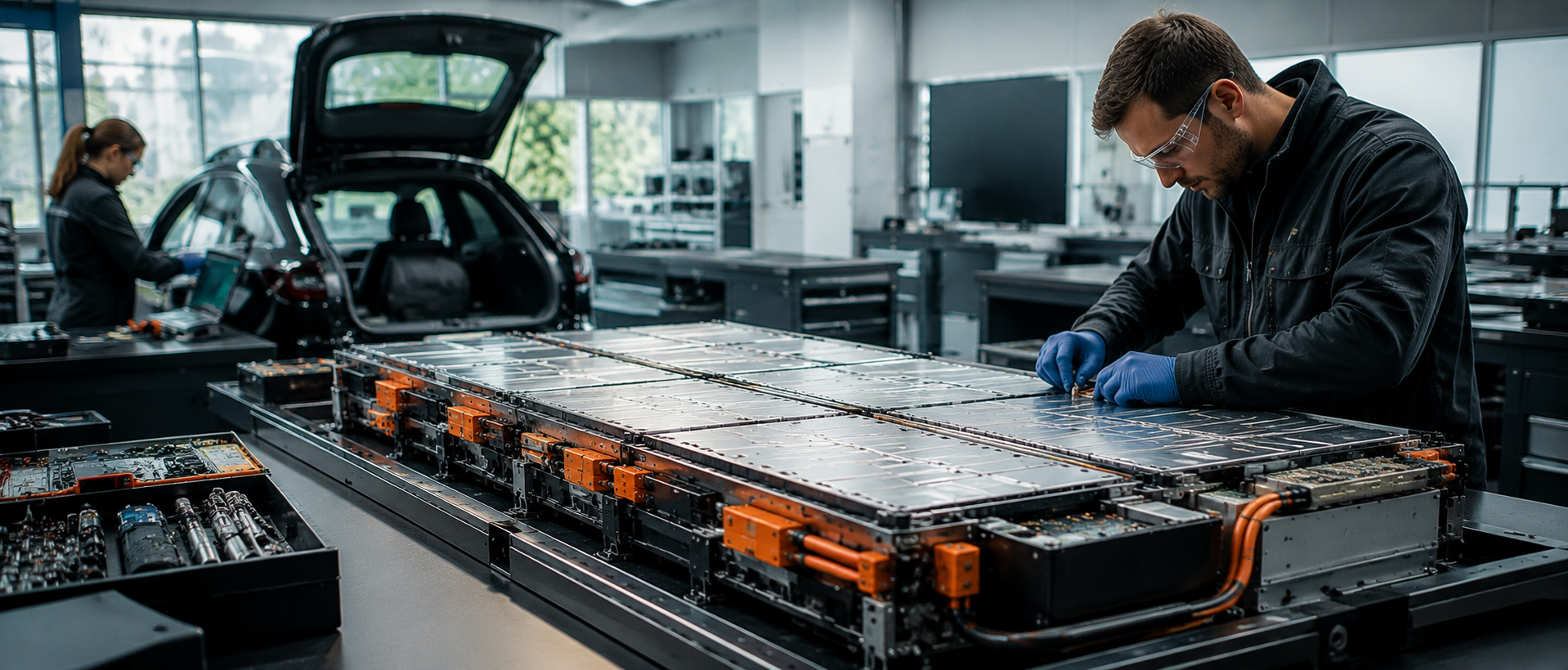
When a hybrid system begins to show signs of aging, owners often face a financial dilemma. Opting for professional battery rebuilds can dramatically extend the lifespan of your vehicle without the staggering price tag of a brand-new original equipment manufacturer (OEM) pack. By replacing only the degraded or failed individual modules and balancing the remaining healthy cells, expert technicians restore the overall voltage and capacity of the pack, offering an eco-friendly and budget-conscious alternative to traditional replacement.
How a Hybrid Car Battery Functions
To appreciate the value of proper maintenance, it helps to understand what goes on under the hood. Unlike a standard internal combustion engine vehicle that relies solely on a 12-volt lead-acid battery to start the engine, a hybrid vehicle utilizes a dual-system approach. It features both a low-voltage battery for electronics and a high-voltage traction battery pack to propel the vehicle and assist the gas engine.
The high-voltage battery pack is typically composed of multiple individual modules connected in a series. These modules contain nickel-metal hydride (NiMH) or lithium-ion (Li-ion) cells. As you drive, the vehicle’s internal computer constantly manages the state of charge, utilizing regenerative braking to capture kinetic energy and convert it back into electricity. This continuous cycle of discharging and charging requires the cells to be in optimal physical and chemical condition.
Common Signs of Hybrid Battery Degradation
Hybrid batteries are designed to be incredibly durable, but they do not last forever. Recognizing the early warning signs of a declining pack can save you from getting stranded on the side of the road and prevent secondary damage to other components, such as the inverter or the combustion engine.
The most obvious indicator is a significant drop in fuel economy. When the high-voltage pack loses its capacity to hold a charge, the vehicle is forced to rely more heavily on the gasoline engine, causing your miles-per-gallon average to plummet. You might also notice the internal combustion engine running continuously, even when the vehicle is idling or moving at low speeds where electric propulsion usually takes over.
Another telltale sign is erratic behavior on your dashboard’s state-of-charge indicator. If you see the battery graphic rapidly fluctuate from full to empty within a few minutes of driving, the cells are struggling to maintain a stable voltage. Additionally, if the dashboard warning lights illuminate—such as the dreaded check engine light or a hybrid system malfunction indicator—it is time to seek a professional diagnostic review.
The Science Behind Battery Balancing and Conditioning
Over thousands of miles, the individual modules within a battery pack begin to age at different rates. Factors like temperature variations across the battery housing can cause certain modules to degrade faster than others. This variance leads to an imbalance in voltage and internal resistance across the entire pack.
Because the vehicle’s electronic control unit reads the pack based on its weakest link, a single failing module can cause the computer to throw an error code and limit the entire system’s performance. Conditioning and balancing involve deeply discharging the pack in a controlled environment and then recharging it to its maximum capacity. This process breaks up crystalline formations inside NiMH cells, restoring lost capacity and evening out the voltage across all modules.
Why Choose Restoration Over Total Replacement
When faced with a failing hybrid system, the immediate reaction for many drivers is panic over the cost of a brand-new battery. Dealerships frequently quote thousands of dollars for a complete factory replacement, which can sometimes exceed the actual market value of an older vehicle.
Restoration and rebuilding services offer a brilliant middle ground. By targeting only the specific components that have degraded, technicians can breathe new life into your existing pack for a fraction of the cost. This approach not only keeps hard-earned money in your wallet but also aligns perfectly with the green ethos of driving a hybrid vehicle by keeping repairable components out of landfills.
The Role of Cooling Systems in Battery Longevity
Heat is the ultimate enemy of any high-voltage energy storage system. Hybrid batteries generate a substantial amount of thermal energy during the rapid cycles of charging and discharging. To counteract this, vehicles are equipped with dedicated cooling systems, which usually consist of electric fans, air ducts, and filters.
Over time, these cooling components can become clogged with dust, pet hair, and debris, especially since many air intakes are located near the rear passenger seats. When airflow is restricted, the internal temperature of the battery spikes, accelerating the chemical degradation of the cells. Regularly cleaning the cooling fan and ensuring that the air intake vents remain completely unobstructed is one of the simplest and most effective ways to prolong your system’s operational lifespan.
Driving Habits That Preserve Your Hybrid System
The way you operate your vehicle on a daily basis plays a major role in the longevity of its electrical components. Smooth, predictable driving habits allow the regenerative braking system to capture energy efficiently without overloading the battery cells with sudden spikes of high current.
Avoid leaving your hybrid vehicle parked and unused for extended periods. High-voltage packs thrive on regular use. When a vehicle sits idle for weeks or months, the cells undergo a process called self-discharge. If the voltage drops below a certain critical threshold, the cells can suffer permanent chemical damage, making it incredibly difficult or even impossible to revive them without specialized equipment.
What to Expect During a Professional Diagnostic Inspection
If you suspect your hybrid system is underperforming, a professional diagnostic is the essential first step. Modern hybrid diagnostic tools go far beyond standard code readers. Specialized software allows technicians to look at live data streams showing the precise voltage, internal resistance, and temperature of every single module block within the pack.
During a comprehensive inspection, a technician will perform stress tests to see how the battery behaves under heavy load and during rapid charging phases. This granular data isolates the exact root cause of the issue, determining whether the system requires a simple cooling fan cleaning, module balancing, a localized rebuild, or a complete unit replacement.
Environmental Benefits of Maintaining and Rebuilding
Driving a hybrid vehicle is a conscious choice to minimize one’s environmental footprint. However, manufacturing a brand-new high-voltage battery requires significant natural resources, including mining for rare earth elements and metals.
By choosing to maintain, recondition, or rebuild your existing battery pack, you are maximizing the lifecycle of materials that have already been extracted and processed. This circular economy approach dramatically reduces manufacturing emissions and resource consumption, ensuring that your vehicle remains truly eco-friendly from the inside out.
Selecting the Right Hybrid Service Specialist
Working with high-voltage automotive systems requires specialized training, unique safety equipment, and deep diagnostic expertise. Standard auto repair shops are rarely equipped to safely handle the hundreds of volts flowing through a hybrid traction system.
When looking for a service provider, ensure they possess specific certifications in hybrid and electric vehicle repair. They should use high-grade diagnostic software and offer clear warranties on their parts and workmanship. A reputable specialist will always provide a transparent breakdown of your battery’s health metrics before recommending a specific repair pathway.
Conclusion
Owning a hybrid vehicle comes with incredible perks, from stellar fuel economy to a quieter, smoother ride. While the high-voltage battery pack is a critical component that requires attention, a failure notice does not have to mean the financial end of your vehicle. By staying alert to the early signs of degradation, keeping up with cooling system maintenance, and utilizing professional rebuilding and reconditioning services, you can keep your hybrid performing efficiently for years to come.
Frequently Asked Questions
How long do hybrid batteries typically last before needing attention?
Most factory hybrid batteries are engineered to last between 100,000 and 150,000 miles, or roughly 8 to 10 years, depending on driving habits and climate. With regular maintenance and optimal cooling system care, some packs can last even longer before experiencing noticeable degradation.
Can I drive my hybrid car if the hybrid battery is failing?
While the vehicle may still operate using the gasoline engine in a diminished “limp mode,” it is not recommended to drive with a failing hybrid battery for long periods. Doing so puts excessive stress on the internal combustion engine and starter components, which can lead to more expensive mechanical failures down the road.
What is the difference between a new battery and a rebuilt battery?
A new battery pack consists entirely of brand-new, factory-fresh cells from the manufacturer. A rebuilt battery uses an existing battery housing and structure but replaces only the degraded or defective modules with high-quality, tested cells, which are then balanced to ensure uniform voltage across the entire pack at a much lower cost.
How does hot weather affect my hybrid vehicle’s battery pack?
High ambient temperatures increase the internal operating temperature of the battery cells. Prolonged exposure to extreme heat can accelerate the chemical breakdown inside the modules, reducing overall capacity and efficiency. Keeping the vehicle parked in the shade and ensuring clean cooling vents helps mitigate this risk.
How often should the hybrid battery cooling system be inspected?
It is a good practice to have the hybrid battery cooling system, including the intake vents and internal fan, inspected at least once a year or every 12,000 to 15,000 miles. If you frequently transport pets or drive in dusty environments, more frequent checks are beneficial to prevent debris blockages.