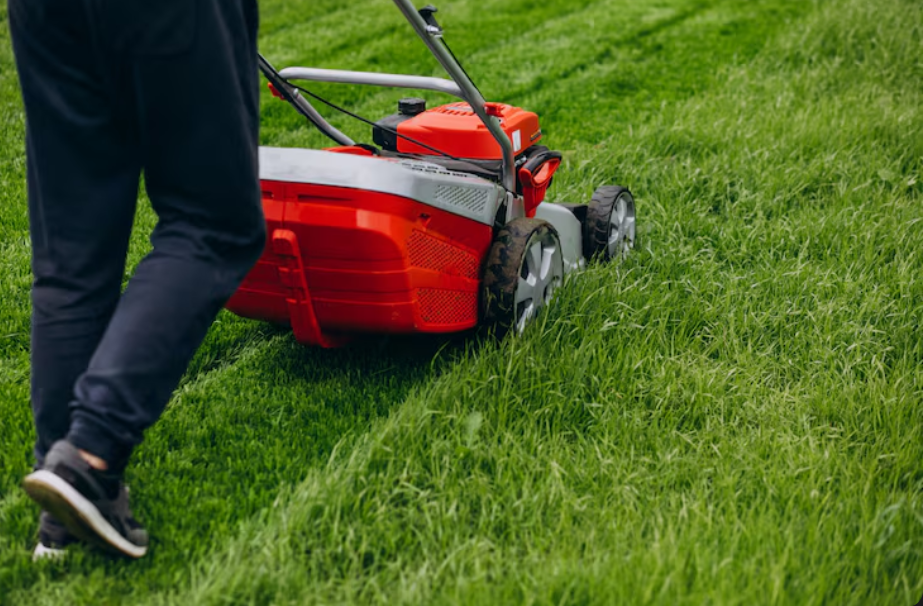
Maintaining a large property or business landscape requires more than occasional mowing and watering. It demands consistency, expertise, and a strategic approach to plant health, soil quality, and pest management. This is where commercial lawn care services become essential. At the same time, outdoor spaces must also be safe for people, pets, and visitors, making tick control for yard an increasingly important part of modern lawn management.
Together, professional lawn maintenance and pest prevention create outdoor environments that are not only visually appealing but also safe and functional year-round.
Understanding the Value of Professional Lawn Maintenance
Commercial properties, including office complexes, retail spaces, apartment communities, and public facilities, rely heavily on exterior appearance. A well-maintained lawn creates a positive first impression, enhances property value, and reflects professionalism.
Commercial lawn care services provide structured maintenance programs designed specifically for larger and more demanding landscapes. Unlike residential lawn care, commercial programs focus on efficiency, consistency, and scalability. These services typically include mowing schedules, fertilization plans, weed management, irrigation monitoring, aeration, and seasonal cleanups.
What makes these services valuable is their ability to maintain uniformity across large areas. Uneven grass growth, patchy soil, or unmanaged weeds can quickly affect the appearance of a commercial property. With professional care, every section of the landscape is treated with precision and regular attention.
Core Components of Commercial Lawn Maintenance
A comprehensive approach to lawn care involves multiple interconnected services. High-quality commercial lawn care services usually include:
1. Regular Mowing and Edging
Frequent mowing ensures grass remains at an optimal height, encouraging healthy growth and preventing weed dominance. Edging adds definition to walkways, driveways, and garden beds.
2. Fertilization Programs
Proper nutrient management is essential for lush, green lawns. Fertilization schedules are customized based on soil type, grass variety, and seasonal changes.
3. Weed and Disease Control
Weeds compete with grass for nutrients and water, while lawn diseases can spread quickly if untreated. Professional treatments help prevent and manage these issues effectively.
4. Irrigation Management
Efficient watering systems ensure grass receives the right amount of moisture without waste. Overwatering or underwatering can both lead to lawn deterioration.
5. Aeration and Soil Health
Soil compaction is a common issue in high-traffic commercial areas. Aeration improves oxygen flow, water absorption, and nutrient distribution.
Each of these elements works together to maintain a strong and visually appealing landscape that supports long-term growth.
Why Lawn Health and Pest Control Must Work Together
A healthy lawn is not just about appearance—it is also about safety and usability. Outdoor spaces used by employees, customers, tenants, or visitors must be free from harmful pests that can carry disease or cause discomfort.
This is where tick control for yard becomes a critical component of landscape management. Ticks thrive in grassy, shaded, and humid environments, making well-maintained lawns a natural habitat if not properly managed.
By integrating pest control into lawn maintenance programs, property owners can significantly reduce the risk of tick infestations while maintaining a clean and safe environment.
Understanding Tick Risks in Outdoor Spaces
Ticks are small but dangerous pests that can carry illnesses affecting both humans and animals. They are commonly found in tall grass, wooded edges, and landscaped areas with dense vegetation.
Properties that experience high foot traffic—such as parks, apartment complexes, or commercial campuses—are especially vulnerable. Regular tick control for yard treatments help reduce tick populations by targeting their habitats and interrupting their life cycles.
Effective control methods often include perimeter treatments, vegetation management, and habitat modification, all of which work together to minimize tick presence in outdoor spaces.
How Professional Tick Control Works
Effective tick control for yard strategies are designed to reduce both adult ticks and their breeding conditions. Professionals typically use a combination of methods:
1. Perimeter Barrier Treatments
These treatments target areas where ticks are most likely to enter lawns, such as tall grass edges, shrubs, and wooded borders.
2. Vegetation Management
Keeping grass trimmed and removing excess leaf litter reduces tick-friendly environments.
3. Targeted Insect Control Applications
Specialized treatments are applied to high-risk zones to reduce tick populations without harming the overall lawn ecosystem.
4. Wildlife Deterrence
Ticks are often carried by animals such as deer, rodents, and stray pets. Managing attractants helps reduce their presence on the property.
When combined with routine lawn maintenance, these steps create a strong defense system against infestations.
The Connection Between Lawn Care and Pest Prevention
One of the most effective ways to manage pests is through proper lawn maintenance. Many principles used in commercial lawn care services directly support pest control efforts.
For example, regularly mowing grass reduces shaded areas where ticks thrive. Aeration improves soil health, making grass stronger and less susceptible to infestation. Proper irrigation prevents overly damp conditions that attract pests.
By combining these practices with tick control for yard treatments, property managers can maintain healthier and safer outdoor environments.
Seasonal Considerations for Lawn and Tick Management
Different seasons bring different challenges for lawn care and pest control.
Spring
This is a critical growth period for grass and a time when tick activity begins to increase. Fertilization, aeration, and early pest control treatments are essential.
Summer
Heat and humidity create ideal conditions for pests. Consistent mowing, irrigation management, and ongoing tick control for yard treatments are important during this period.
Fall
Leaves and organic debris can accumulate, creating hiding spots for pests. Cleanup and soil preparation help maintain lawn health heading into winter.
Winter
While grass growth slows, planning and preventive strategies for the next season are often developed during this time.
Year-round maintenance ensures that lawns remain strong and less vulnerable to pest problems.
Benefits of Integrated Lawn and Pest Management
Combining commercial lawn care services with pest control offers several advantages:
- Improved outdoor safety for people and pets
- Enhanced property appearance and value
- Reduced pest-related health risks
- Stronger and healthier turf growth
- Long-term cost savings through preventive care
Instead of treating lawn issues and pest problems separately, an integrated approach ensures that both aspects support each other.
Choosing the Right Service Approach
Property managers should look for providers that offer both landscaping and pest management expertise. A reliable service plan should be customized based on property size, usage level, and environmental conditions.
The best commercial lawn care services are those that provide consistent scheduling, clear communication, and adaptable treatment plans. When paired with effective tick control for yard solutions, they ensure that outdoor spaces remain attractive and safe throughout the year.
Conclusion
Maintaining large outdoor spaces requires more than basic upkeep. It demands a coordinated strategy that balances aesthetics, plant health, and safety. Professional commercial lawn care services provide the foundation for healthy, well-maintained landscapes, while tick control for yard ensures those spaces remain safe for everyone who uses them.
Together, these services create outdoor environments that are not only visually appealing but also practical, hygienic, and sustainable. With the right approach, any commercial property can achieve a landscape that reflects quality, care, and long-term value.