If you are planning a concrete project, you may have questions about the equipment needed to complete the job. One piece of equipment that often comes up is the boom pump. It is used on many residential, commercial, and industrial projects because it can move concrete to places that are difficult to reach by other methods.
Before you choose a pumping method, it helps to understand how the equipment works and what you should expect on the job site. If you are researching line pump rental GTA options, learning the basics can help you prepare for your project and avoid common mistakes. This guide answers some of the questions people often ask before scheduling a concrete pour.
6 Questions About Boom Pump Rental
- Why do some projects need a boom pump?
Not every concrete project requires a boom pump. The right choice depends on the layout of your job site and where the concrete needs to go.
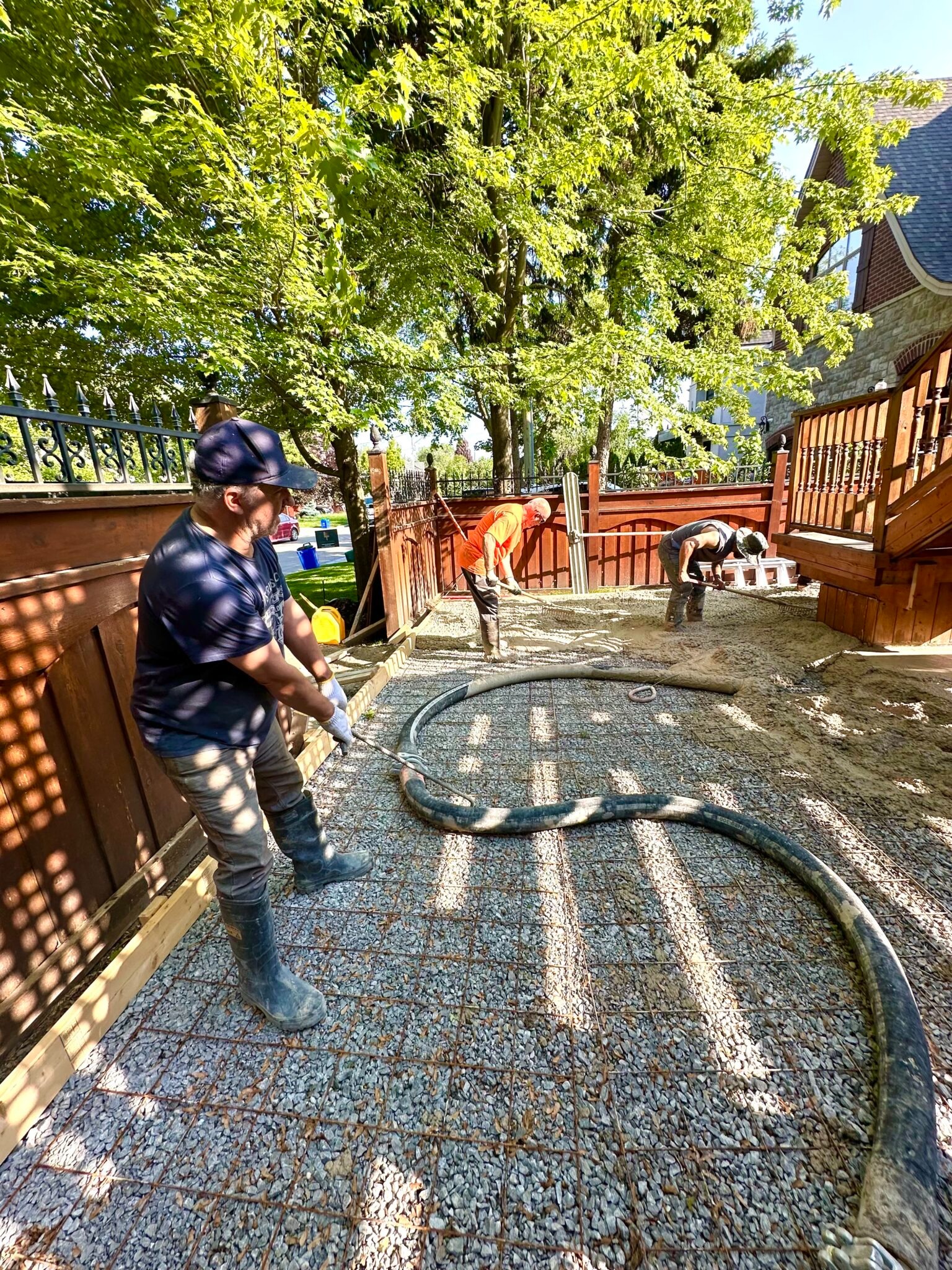
A boom pump is useful when the concrete must reach upper floors, large foundations, backyards with limited access, or areas that are blocked by buildings or other structures. The pump uses a hydraulic arm to place concrete where workers need it without moving it by wheelbarrow or bucket.
Using the right equipment can also make it easier to keep the concrete flowing during the pour. This helps your crew stay on schedule and focus on finishing the concrete instead of moving it across the site.
- What should you check before the pump arrives?
Good planning starts before the equipment reaches your project.
Take time to check a few important details, including:
- A clear path for the pump truck
- Stable ground for setup
- Enough space for the outriggers
- Trees, power lines, or other overhead obstacles
- Delivery times for the concrete trucks
Walking through the site before the scheduled pour helps you spot problems early. Small changes before the project starts can prevent delays later.
If your project is in a neighbourhood with narrow streets or limited parking, you should also think about where the truck will be positioned during the pour.
- How do you know which boom pump size is right?
Many people think a larger boom pump is always the better choice. That is not always true.
The right boom length depends on your project. Contractors usually consider the building height, the distance from the truck to the pour area, and the amount of concrete to be placed.
A pump that is too small may not reach every part of the project. A pump larger than needed may require more space to set up than your site allows.
Reviewing the project plans before scheduling equipment helps you choose the pump that best fits the work, rather than guessing.
- Can you use a boom pump for a small project?
Yes. A boom pump is not only used on large commercial buildings.
Many homeowners and contractors use boom pumps for smaller jobs when access is limited or when concrete needs to be placed quickly.
Some common residential projects include:
- House foundations
- Basement floors
- Home additions
- Retaining walls
- Backyard concrete work
- Swimming pool construction
The size of your project is only one factor. Site conditions are often more important than the amount of concrete being poured.
- What mistakes can slow down a concrete pour?
Most delays stem from planning problems rather than equipment problems.
Some common mistakes include:
- Blocking the truck’s access to the job site
- Scheduling concrete deliveries too far apart
- Forgetting to check overhead power lines
- Choosing equipment before reviewing the site
- Not preparing the work area before the truck arrives
These issues are often easy to avoid when everyone involved shares the same schedule and understands the plan.
Good communication between the contractor, concrete supplier, and pumping crew helps the work move more smoothly.
- How can you prepare for a successful concrete pour?
Preparation can make a big difference on the day of the project.
Here are a few simple steps you can follow:
- Visit the job site before scheduling the pour.
- Make sure the truck has enough room to enter and leave.
- Confirm delivery times with your concrete supplier.
- Remove equipment or materials that block the work area.
- Review the placement plan with everyone on site.
These steps take time, but they can help reduce delays and keep the project organized from start to finish.
In The End
A boom pump can be a useful option when your project requires concrete to reach areas that are difficult to access. Understanding how the equipment works, how to prepare your site, and what factors affect equipment selection helps you make better decisions before construction begins.
Every project has different needs, so planning ahead is one of the most important parts of the process. When you understand the common questions before scheduling a concrete pour, you are more likely to avoid delays and keep your project moving.
If you want to learn more about concrete pumping methods and common construction situations, resources from Rockit Concrete Pumping can help you better understand how different pumping solutions are used on projects throughout the Greater Toronto Area.