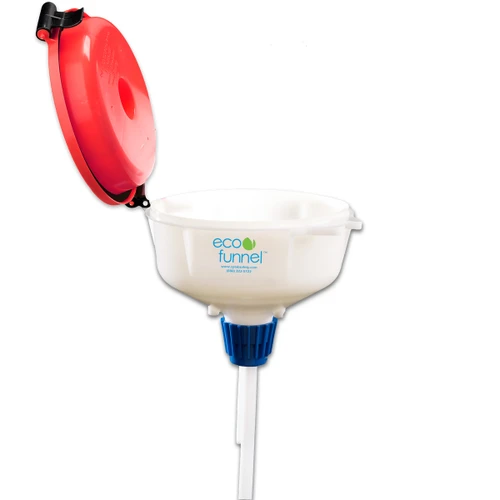
High-performance liquid chromatography systems play a critical role in modern laboratories. From pharmaceutical testing to chemical analysis, HPLC systems require reliable components to ensure accurate and efficient performance. Essential accessories such as HPLC adapters, Chromatography adapters, and HPLC fittings help maintain secure connections, improve flow consistency, and reduce operational issues.
In addition, proper handling of HPLC waste is important for laboratory safety, environmental protection, and regulatory compliance. This article explains the importance of HPLC accessories and waste management solutions in laboratory operations.
Understanding HPLC Systems
High-performance liquid chromatography, commonly known as HPLC, is an analytical technique used to separate, identify, and quantify compounds in liquid samples. HPLC systems are widely used in:
- Pharmaceutical laboratories
- Biotechnology research
- Environmental testing
- Food analysis laboratories
- Chemical industries
- Academic research facilities
An HPLC setup contains multiple components, including pumps, columns, tubing, detectors, and fittings. Each part must function correctly to maintain accurate analytical results.
Importance of HPLC Adapters
HPLC adapters are essential components used to connect different parts of an HPLC system securely. These adapters help maintain smooth solvent flow while preventing leaks and pressure loss.
HPLC adapters are commonly used for:
- Connecting tubing systems
- Linking analytical instruments
- Adjusting connection sizes
- Supporting fluid transfer systems
- Maintaining pressure stability
Benefits of HPLC Adapters
Secure Connections
HPLC adapters help create tight and reliable connections between laboratory components.
Reduced Leakage
Proper adapters minimize leakage risks, improving laboratory safety and operational efficiency.
Improved System Performance
Stable connections help maintain accurate flow rates and analytical consistency.
Compatibility Support
Adapters allow laboratories to connect different instruments and tubing sizes easily.
Role of Chromatography Adapters in Laboratory Applications
Chromatography adapters are designed to support chromatography systems by connecting columns, tubing, and fluid transfer components. These adapters are important for maintaining proper alignment and flow within chromatography equipment.
Chromatography adapters are commonly used in:
- Liquid chromatography systems
- Analytical testing labs
- Pharmaceutical production
- Research laboratories
- Biochemical analysis facilities
Advantages of Chromatography Adapters
Enhanced Flow Control
Adapters help maintain smooth liquid flow through chromatography systems.
Flexible Configurations
Laboratories can customize setups based on testing requirements.
Increased Equipment Compatibility
Chromatography adapters support compatibility between different instruments and accessories.
Reliable Laboratory Operations
Proper adapter systems reduce interruptions and improve workflow consistency.
Importance of HPLC Fittings
Reliable HPLC fittings are critical for maintaining high-pressure liquid chromatography systems. These fittings connect tubing and components while ensuring leak-free performance under pressure.
HPLC fittings are available in different materials and configurations to suit various laboratory applications.
Common Types of HPLC Fittings
Laboratories commonly use:
- Compression fittings
- Finger-tight fittings
- Stainless steel fittings
- PEEK fittings
- Union connectors
- Ferrules and nuts
Benefits of High-Quality HPLC Fittings
Leak Prevention
Proper fittings help eliminate leaks and reduce sample loss.
Pressure Resistance
HPLC systems operate under high pressure, making durable fittings essential.
Improved Analytical Accuracy
Secure fittings help maintain consistent flow rates and accurate results.
Long-Term Durability
Quality fittings offer reliable performance and extended operational life.
Managing HPLC Waste Safely
Proper HPLC waste management is essential for laboratory safety and environmental compliance. HPLC systems generate chemical waste during analytical testing, and improper handling can create serious hazards.
Common Sources of HPLC Waste
HPLC waste may include:
- Organic solvents
- Chemical mixtures
- Sample residues
- Mobile phase waste
- Cleaning solutions
These substances must be handled and disposed of according to laboratory safety regulations.
Best Practices for HPLC Waste Management
Use Proper Waste Containers
Laboratories should use chemical-resistant waste containers designed for solvent storage.
Label Waste Clearly
Accurate labeling helps prevent handling mistakes and supports safe disposal procedures.
Separate Hazardous Materials
Different chemical wastes should be stored separately to avoid dangerous reactions.
Follow Disposal Regulations
Laboratories must comply with local and federal waste disposal guidelines.
Maintain Ventilation Systems
Proper ventilation helps reduce exposure to solvent vapors and hazardous fumes.
Choosing Reliable Laboratory Components
Selecting high-quality HPLC accessories improves laboratory efficiency and system performance.
Factors to Consider
Material Quality
Choose durable materials that resist chemicals and pressure damage.
Compatibility
Ensure adapters and fittings match the specifications of laboratory instruments.
Leak Resistance
Reliable sealing systems help maintain operational safety.
Ease of Installation
User-friendly components improve workflow efficiency and reduce downtime.
Importance of Preventive Maintenance
Regular maintenance helps extend the life of chromatography systems and reduces costly repairs.
Routine Maintenance Tips
- Inspect tubing regularly
- Replace damaged fittings immediately
- Clean connectors and adapters frequently
- Monitor pressure performance
- Check waste containers for overflow
Preventive maintenance helps maintain analytical accuracy and laboratory safety.
Future Trends in Chromatography Equipment
Modern laboratories are adopting advanced chromatography technologies to improve efficiency and sustainability.
Emerging trends include:
- Smart monitoring systems
- Automated waste management solutions
- Eco-friendly chromatography systems
- High-efficiency fittings and adapters
- Digital pressure monitoring tools
These innovations help laboratories improve productivity while reducing environmental impact.
Conclusion
Reliable laboratory accessories such as HPLC adapters, Chromatography adapters, and HPLC fittings are essential for maintaining efficient chromatography systems. These components support secure connections, stable flow control, and accurate analytical performance.
At the same time, proper HPLC waste management helps laboratories maintain safety, environmental compliance, and operational efficiency. By investing in high-quality components and following proper maintenance practices, laboratories can improve productivity and achieve consistent analytical results.