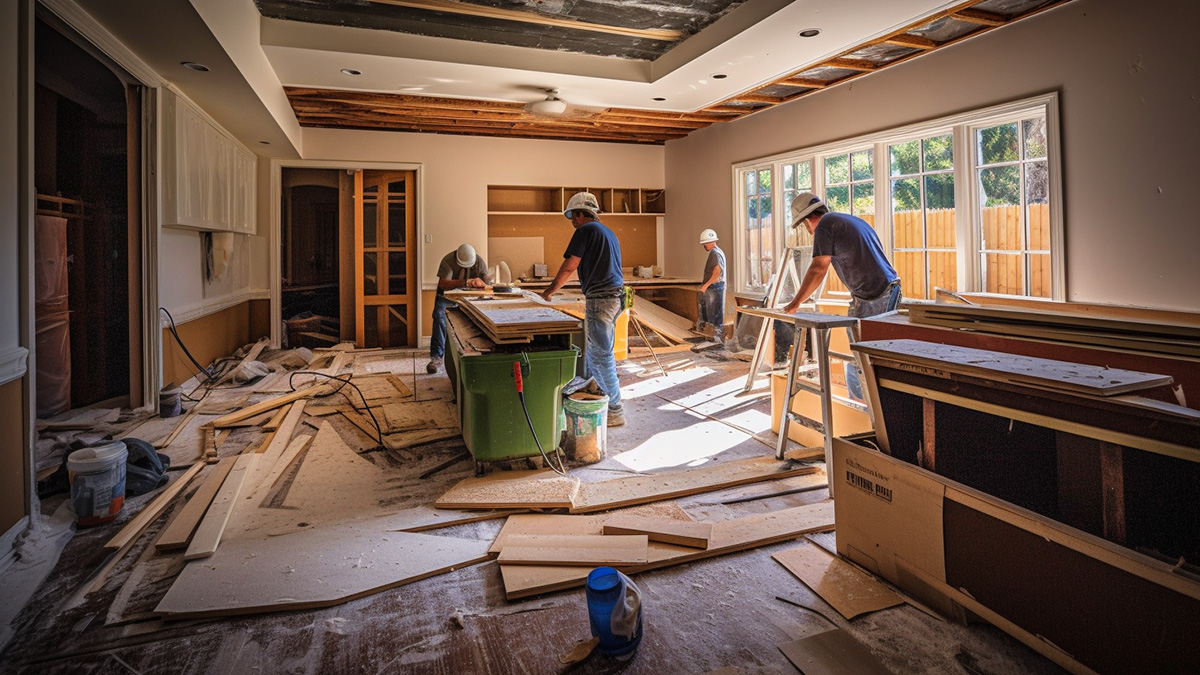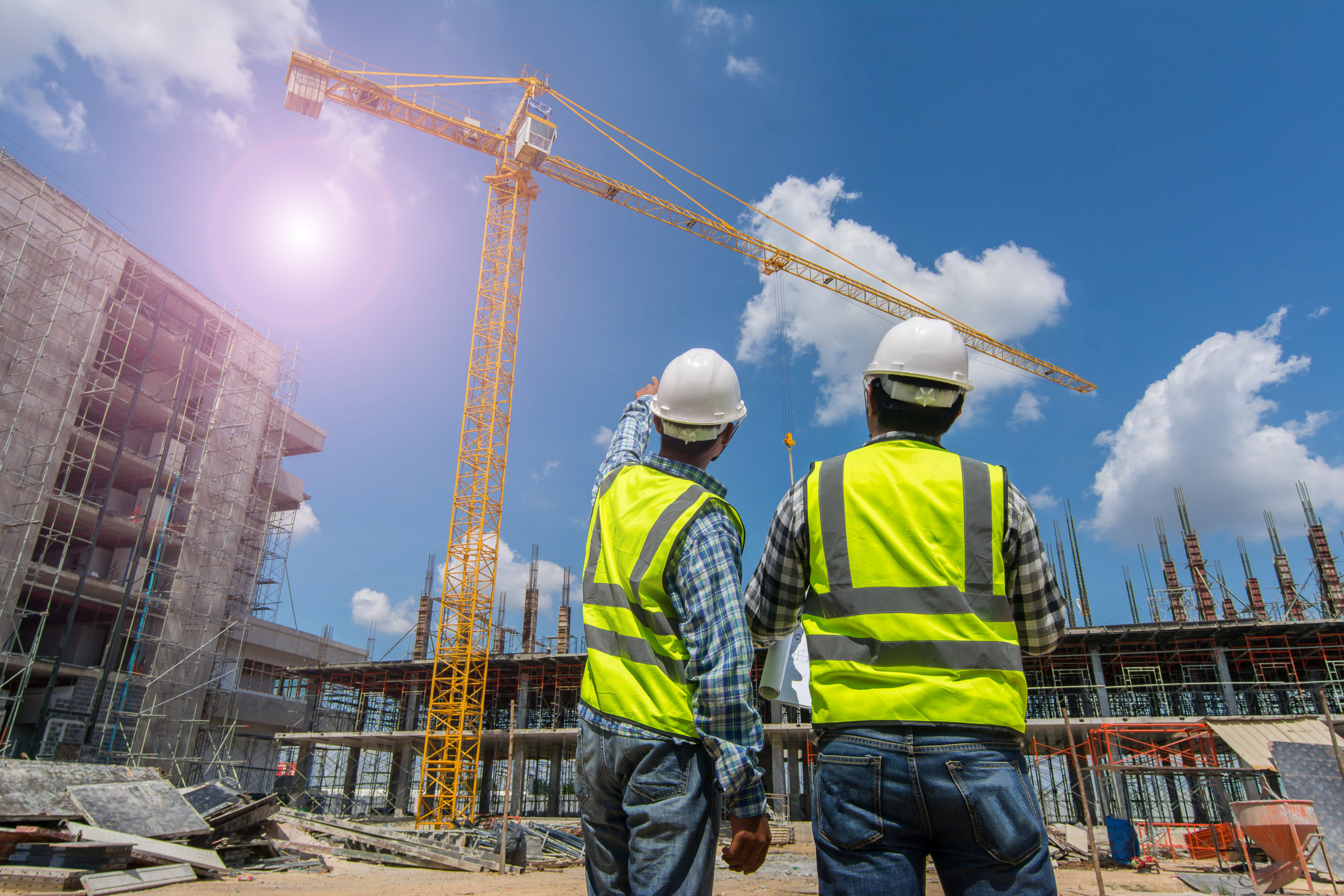
A Construction Contractor is responsible for organizing, supervising, and managing construction projects from beginning to end. Whether constructing a new home, renovating an existing property, or developing a commercial building, a construction contractor coordinates every stage of the project to ensure work progresses efficiently and according to the approved plans. Their responsibilities include managing labor, scheduling subcontractors, overseeing materials, monitoring timelines, and maintaining quality throughout construction. Effective project coordination helps create safe, durable, and functional buildings that meet the needs of property owners.
Why a Construction Contractor Is Essential
Working with a Construction Contractor simplifies the building process by providing a single point of management for the entire project. Construction often involves multiple specialized trades, including electricians, plumbers, roofers, carpenters, painters, flooring installers, and HVAC technicians. Coordinating these professionals independently can be time-consuming and challenging. A construction contractor organizes each phase of construction, helping maintain communication, improve efficiency, and reduce unnecessary delays.
Responsibilities of a Construction Contractor
The primary responsibility of a construction contractor in Baton Rouge is to oversee every stage of construction while ensuring the project stays organized and progresses according to schedule. Daily responsibilities include reviewing construction plans, coordinating permits, arranging inspections, ordering materials, scheduling subcontractors, supervising on-site activities, monitoring budgets, and addressing construction challenges as they arise. Regular oversight helps maintain consistent workmanship and supports the successful completion of the project.
Types of Projects Managed
A Construction Contractor manages a wide variety of residential and commercial projects. Residential construction may include custom homes, room additions, kitchen remodeling, bathroom renovations, basement finishing, roofing, flooring installation, deck construction, and complete home renovations. Commercial projects often involve office buildings, retail stores, restaurants, warehouses, tenant improvements, healthcare facilities, educational buildings, and industrial developments. Coordinating these projects requires careful planning and efficient management throughout every phase of construction.
The Construction Management Process
Every project handled by a Construction Contractor begins with detailed planning. The process typically includes reviewing architectural drawings, establishing project budgets, creating construction schedules, selecting building materials, obtaining permits, and organizing subcontractors before work begins. During construction, the contractor supervises daily activities, monitors project timelines, performs quality inspections, and communicates progress with the property owner. This structured approach helps ensure construction proceeds efficiently from foundation work to final completion.
The Value of Professional Project Coordination
Experienced Construction Contractor professionals help improve project organization through careful scheduling and consistent supervision. Coordinating labor, material deliveries, inspections, and specialized trades helps minimize downtime while maintaining steady construction progress. Ongoing quality control throughout the project also helps identify potential issues early, reducing the likelihood of costly corrections later in the construction process.
Supporting Long-Term Building Performance
Quality construction completed by a Construction Contractor is designed to provide reliable performance for many years. Durable materials, proper installation methods, energy-efficient systems, and well-planned building layouts contribute to lower maintenance requirements and improved long-term functionality. Routine inspections of roofing, plumbing, HVAC equipment, electrical systems, and structural components further help preserve the completed property.
Maintaining Completed Construction Projects
After a project is completed by a Construction Contractor, regular maintenance helps protect the investment. Property owners should inspect roofing, foundations, windows, plumbing systems, and mechanical equipment periodically to identify developing issues before they require significant repairs. Cleaning exterior surfaces, maintaining landscaping, servicing HVAC systems, and repairing normal wear promptly help preserve the property’s appearance, structural integrity, and overall functionality.
Conclusion
A construction services in Baton Rouge plays a vital role in guiding residential and commercial construction projects from planning through final completion. By coordinating subcontractors, managing schedules, supervising quality, and overseeing every stage of construction, contractors help ensure projects are completed efficiently and built to last. Whether constructing a new home, remodeling an existing property, or developing a commercial facility, understanding the role of a construction contractor helps property owners appreciate the planning and coordination required for successful construction. With proper maintenance after completion, these projects continue to provide lasting value, durability, and dependable performance for years to come.