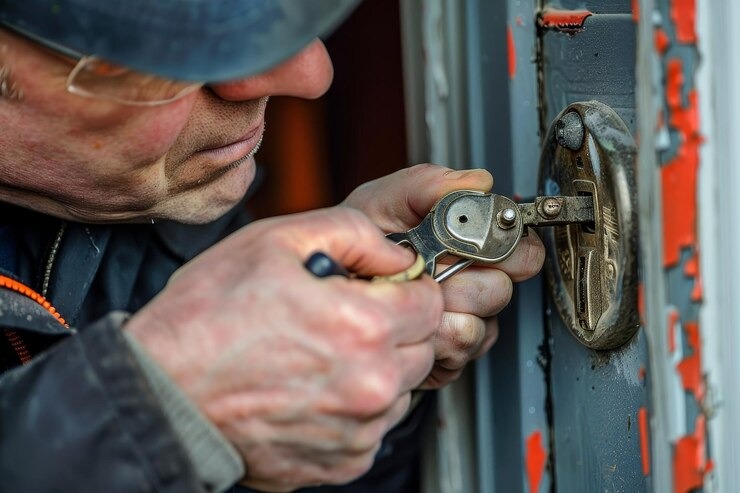
Getting locked out of your home, office, or vehicle can instantly disrupt your day. In situations like these, time matters. Whether you misplaced your keys, experienced a broken lock, or discovered a security issue after business hours, one of the first questions you ask is usually simple: how quickly can help arrive?
The answer depends on several factors, but professional locksmith services are designed to respond efficiently and minimize delays. Understanding what affects arrival times can help you make faster decisions when you need assistance.
Typical Response Time for a Locksmith Visit
When you request emergency locksmith assistance, response times commonly range from 15 to 45 minutes depending on traffic conditions, technician availability, distance, weather, and service demand.
Local providers often organize mobile service vehicles throughout coverage areas to shorten travel time. This allows technicians to respond directly to your location rather than requiring a visit to a physical storefront first.
If you need dependable assistance, working with a trusted provider offering professional Locksmith Denver services can help reduce waiting time while ensuring qualified support.
Factors That Affect Arrival Speed
1. Your Exact Location
Your location has the biggest impact on arrival time.
A technician located near downtown may reach central areas more quickly than locations farther from service zones. Residential neighborhoods, commercial districts, and suburban areas all affect travel estimates.
Providing complete details when booking service allows dispatch teams to route technicians efficiently.
2. Type of Locksmith Service Needed
Different situations require different preparation levels.
Simple lockouts often receive the fastest response because technicians can arrive with standard equipment.
More complex requests may involve:
- Rekeying multiple locks
- Commercial access systems
- Broken ignition repairs
- Smart lock installations
- High-security lock replacement
When dispatch knows your issue in advance, the technician arrives prepared.
3. Time of Day
Locksmith availability changes throughout the day.
Business hours usually offer faster scheduling because more technicians are active.
Late-night requests, weekends, holidays, and severe weather may slightly extend wait times, although emergency teams often remain available.
4. Traffic Conditions
Denver traffic patterns directly influence technician travel.
Rush-hour congestion, road construction, sporting events, and weather conditions may increase travel time.
Experienced dispatch systems monitor routes and assign technicians strategically to avoid unnecessary delays.
5. Current Service Demand
Demand spikes can occur unexpectedly.
Examples include:
- Apartment move-in weekends
- Seasonal weather events
- Local emergencies
- Major public events
Established locksmith companies often maintain multiple mobile technicians to keep response times manageable.
What Happens After You Call a Locksmith?
Understanding the process helps set realistic expectations.
Step 1: Describe the Situation
You explain:
- Your location
- Type of lock issue
- Whether it is residential, commercial, or automotive
- Any urgency concerns
Accurate information speeds dispatch.
Step 2: Technician Assignment
The service team identifies the nearest available technician.
Mobile units are selected based on location, expertise, and equipment availability.
Step 3: Estimated Arrival Window
You receive an estimated arrival time.
Reliable companies provide updates if delays occur.
Step 4: On-Site Assessment
Once the technician arrives, they evaluate the issue and explain available solutions before work begins.
How to Reduce Your Wait Time
Although some delays are unavoidable, you can help shorten the process.
Share Exact Location Details
Provide:
- Building number
- Apartment or suite information
- Nearby landmarks
- Parking instructions
Incomplete information often creates unnecessary delays.
Explain the Lock Problem Clearly
Instead of saying “my lock is broken,” explain:
- Key snapped inside
- Door locked with keys inside
- Electronic lock failure
- Lost keys
- Lock spinning without opening
Specific details help technicians prepare correctly.
Keep Your Phone Available
Dispatch teams may call for clarification or arrival updates.
Missing calls can extend response times.
Choose Local Professional Support
Working with an established local team typically reduces dispatch time compared with providers operating from outside the service area.
Emergency Locksmith Situations That Require Fast Response
Some situations deserve immediate attention.
Home Lockouts
Being locked outside your home can become stressful, especially during extreme weather or late-night hours.
Office Security Concerns
Broken locks can expose equipment, inventory, and confidential information.
Vehicle Lockouts
Modern vehicle security systems often require specialized tools and knowledge.
Lost or Stolen Keys
If keys are missing, immediate rekeying or lock replacement helps protect your property.
Why Fast Arrival Should Not Sacrifice Quality
Quick service matters, but quality matters more.
An experienced locksmith should:
- Verify ownership when appropriate
- Use professional tools
- Minimize property damage
- Explain pricing clearly
- Recommend suitable security solutions
Choosing solely based on speed can lead to poor workmanship and repeat repairs.
What Makes Professional Locksmith Service More Efficient?
Efficient locksmith operations rely on preparation.
Professional providers often use:
- GPS dispatch systems
- Fully equipped service vehicles
- Trained technicians
- Local route planning
- Inventory management
These operational practices improve both speed and service quality.
Choosing a Locksmith Before an Emergency Happens
Many people search for help only after a lock problem occurs.
Instead, identify a reliable provider ahead of time.
Consider:
- Service coverage
- Emergency availability
- Transparent communication
- Experience level
- Service options
Having contact details saved can eliminate decision delays during stressful moments.
For future lock emergencies, upgrades, or security assistance, you can explore the professional services offered by APEX Locksmith Denver and use their contact page to request locksmith assistance quickly when needed.
Final Thoughts
When you experience a lock emergency, every minute feels important. While actual arrival times vary based on location, traffic, demand, and service complexity, professional locksmith teams work to reach customers as efficiently as possible.
The fastest results usually come from providing accurate information, staying available for updates, and choosing an experienced local provider. Preparing before an emergency happens can save valuable time and reduce stress when immediate help becomes necessary.
FAQs
1. How long does a locksmith usually take to arrive?
Most locksmith response times range from 15 to 45 minutes depending on location, traffic, and technician availability.
2. Are locksmith services available at night?
Many locksmith providers offer emergency assistance outside standard business hours, including evenings and weekends.
3. Can a locksmith unlock a car without damage?
Professional locksmith technicians use specialized tools designed to unlock most vehicles safely.
4. Does giving more information reduce wait time?
Yes. Accurate location details and clear problem descriptions help dispatch technicians more efficiently.
5. Should I rekey locks after losing keys?
Rekeying is often recommended because it prevents old keys from being used again.