Introduction
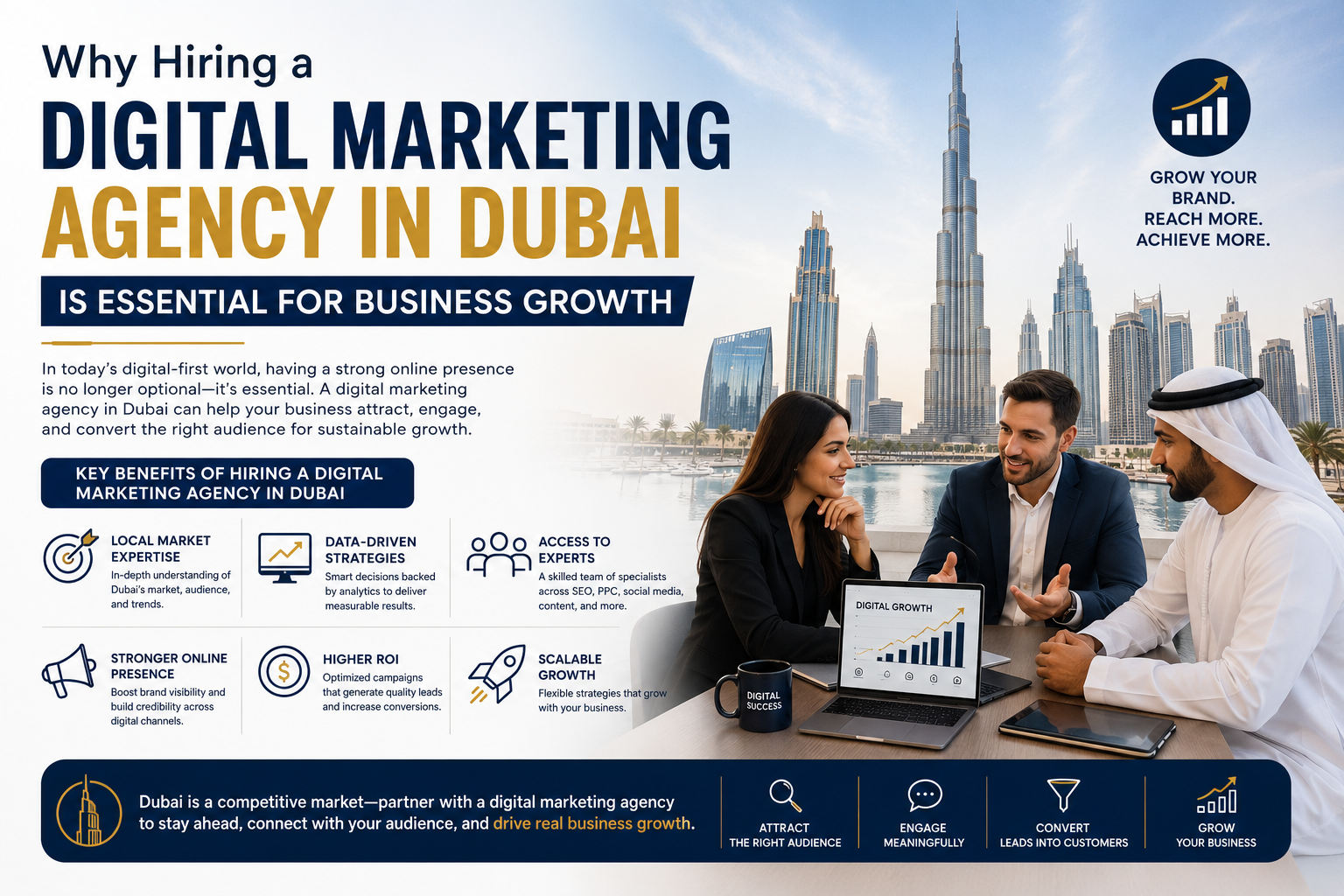
In today’s technology-driven world, digital marketing has become an essential tool for businesses of all sizes. With billions of people using the internet daily, companies can now reach their target audience more effectively than ever before. Digital marketing involves promoting products, services, and brands through online channels such as search engines, social media platforms, email, websites, and mobile applications. It offers businesses the opportunity to engage with customers, increase brand awareness, and drive sales while maintaining cost efficiency.
What is Digital Marketing?
Digital marketing refers to the use of digital technologies and online platforms to promote products and services. Unlike traditional marketing methods such as television, radio, and print advertising, digital marketing enables businesses to connect with customers in real time and measure campaign performance accurately.
The primary goal of digital marketing is to attract potential customers, nurture relationships, and convert leads into loyal buyers through various online strategies.
Key Components of Digital Marketing
1. Search Engine Optimization (SEO)
SEO involves optimizing a website to improve its visibility on search engines like Google. By using relevant keywords, creating high-quality content, and improving website performance, businesses can rank higher in search results and attract organic traffic.
2. Content Marketing
Content marketing focuses on creating valuable and informative content to attract and engage audiences. This includes blog posts, articles, videos, infographics, podcasts, and eBooks. Quality content helps establish authority and build trust with potential customers.
3. Social Media Marketing
Social media platforms such as Facebook, Instagram, LinkedIn, X (formerly Twitter), and TikTok allow businesses to connect directly with their audience. Social media marketing helps increase brand awareness, generate leads, and foster customer engagement.
4. Email Marketing
Email marketing remains one of the most effective digital marketing strategies. Businesses can send personalized messages, newsletters, promotional offers, and product updates to subscribers, helping maintain strong customer relationships.
5. Pay-Per-Click (PPC) Advertising
PPC advertising enables businesses to display ads on search engines and social media platforms. Advertisers pay only when users click on their ads. This method provides immediate visibility and targeted traffic.
6. Affiliate Marketing
Affiliate marketing involves partnering with individuals or organizations that promote products in exchange for a commission. It helps businesses expand their reach and increase sales through trusted recommendations.
7. Influencer Marketing
Influencer marketing leverages the popularity of social media personalities to promote products and services. Influencers can significantly impact purchasing decisions by sharing authentic experiences with their followers.
Benefits of Digital Marketing
Cost-Effective Marketing
Digital marketing often costs less than traditional advertising methods while delivering measurable results. Small businesses can compete with larger organizations through targeted campaigns.
Global Reach
Businesses can reach customers across different cities, countries, and continents without establishing a physical presence.
Targeted Audience Engagement
Advanced targeting options allow marketers to reach specific demographics based on age, location, interests, behavior, and purchasing patterns.
Measurable Results
Digital marketing tools provide detailed analytics that help businesses track website traffic, conversions, customer engagement, and return on investment (ROI).
Improved Customer Relationships
Businesses can interact directly with customers through social media, emails, and online communities, leading to stronger relationships and improved customer satisfaction.
Emerging Trends in Digital Marketing
As technology continues to evolve, digital marketing is constantly changing. Some emerging trends include:
- Artificial Intelligence (AI) in marketing automation
- Voice search optimization
- Video marketing and live streaming
- Personalization and customer experience enhancement
- Chatbots and conversational marketing
- Data-driven marketing strategies
- Influencer collaborations and creator partnerships
Businesses that adapt to these trends can gain a competitive advantage and improve their marketing effectiveness.
Challenges in Digital Marketing
Despite its many advantages, digital marketing presents several challenges, including:
- Increasing competition in online spaces
- Frequent changes in search engine algorithms
- Data privacy and security concerns
- Content saturation
- Maintaining customer trust and engagement
To overcome these challenges, businesses must continuously update their strategies and stay informed about industry developments.
Conclusion
Digital marketing has transformed the way businesses communicate with customers and promote their products and services. By leveraging strategies such as SEO, content marketing, social media marketing, email campaigns, and paid advertising, organizations can reach wider audiences, increase brand visibility, and achieve sustainable growth. As digital technologies continue to advance, businesses that embrace innovative digital marketing practices will be better positioned for long-term success in the competitive online marketplace.