Every year, thousands of Australian drivers travel through rural and regional roads where wildlife encounters are a common part of the journey. Kangaroos, wallabies, wombats, and other native animals can appear unexpectedly, particularly around dawn and dusk. As a result, many motorists look for additional ways to improve road safety alongside careful driving.
This has led to growing interest in Ultrasonic Animal Deterrents in Australia. While these devices have become increasingly popular, there are also many questions surrounding how they work and what drivers should realistically expect. Separating facts from myths helps motorists make informed decisions and understand where these devices fit into an overall road safety strategy.
Understanding How Ultrasonic Animal Deterrents Are Designed to Work
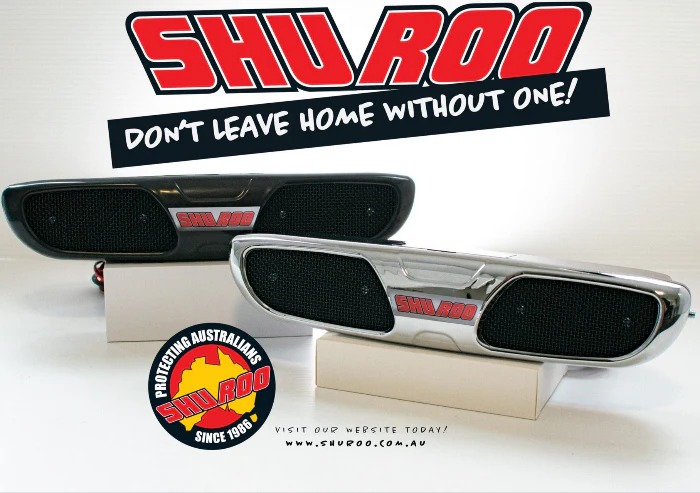
Ultrasonic animal deterrents are vehicle-mounted devices that emit high-frequency sound waves when a vehicle is travelling. The intention is to provide wildlife with an earlier warning that a vehicle is approaching, giving animals more opportunity to move away from the roadway.
It is important to understand that these devices are designed as an additional safety measure rather than a guaranteed solution. Wildlife behaviour is naturally unpredictable, and factors such as weather, terrain, traffic conditions, and the type of animal involved can all influence how animals respond.
Responsible driving always remains the most important part of avoiding wildlife collisions.
Read Also: How Ultrasonic Animal Deterrents in Australia Help Reduce Wildlife Collisions
Myth 1: They Guarantee You Will Never Hit an Animal
One of the biggest misconceptions is that installing an ultrasonic animal deterrent completely eliminates the risk of wildlife collisions.
This simply is not true.
No product can guarantee that an animal will react in a particular way or that every collision can be prevented. Wildlife often behaves unpredictably, and drivers can still encounter sudden animal movements.
The most effective approach combines several safety practices, including:
- Driving at appropriate speeds
- Remaining alert in wildlife-prone areas
- Using headlights correctly
- Watching road shoulders carefully
- Using additional vehicle safety equipment where appropriate
Thinking of these devices as one part of a broader safety strategy creates more realistic expectations.
Myth 2: They Are Difficult to Install
Some drivers assume that vehicle safety accessories require professional installation or ongoing maintenance.
In reality, many ultrasonic animal deterrents are designed for straightforward installation and everyday convenience. Once correctly fitted, they generally require very little attention and continue working as part of the vehicle without affecting normal driving.
This ease of use makes them suitable for a wide range of motorists, including commuters, caravan owners, commercial drivers, and people who regularly travel on country roads.
Fact: Quality Makes a Difference
Like many automotive products, quality can influence durability and long-term reliability.
When selecting Ultrasonic Animal Deterrents in Australia, choosing a genuine, well-manufactured product is an important consideration. Devices built specifically for Australian driving conditions are generally designed to withstand exposure to sun, rain, dust, and changing weather while remaining securely fitted to the vehicle.
Drivers often appreciate products that continue performing reliably over many years rather than needing frequent replacement.
Why More Drivers Are Looking for Extra Protection
Modern motorists are becoming increasingly proactive about road safety. Rather than relying on a single precaution, many drivers now combine multiple safety measures to improve confidence behind the wheel.
This is particularly relevant for people who regularly travel:
- Rural highways
- Regional roads
- Farming districts
- National parks
- Remote work sites
- Popular caravan routes
For these drivers, additional vehicle protection can provide reassurance during long journeys where wildlife activity is common.
Customer Expectations Have Changed
Today’s customers expect vehicle accessories to be practical, durable, and simple to use.
Rather than complicated technology, motorists value products that integrate naturally into everyday driving without creating extra work. Easy installation, low maintenance, and reliable construction have become just as important as the product itself.
Drivers also appreciate clear information that explains what a product is designed to do and where its limitations exist. Honest expectations help customers make confident purchasing decisions.
Supporting Safer Decisions on Australian Roads
One of the greatest benefits of vehicle safety products is encouraging drivers to think more carefully about wildlife risks before setting off.
Installing a deterrent often serves as a reminder that wildlife may be present, especially during higher-risk driving periods such as sunrise, sunset, and nighttime.
This awareness can encourage motorists to slow down, remain vigilant, and adapt their driving to changing road conditions, all of which contribute to safer travel.
A Thoughtful Choice for Drivers and Wildlife
Choosing products that may help reduce wildlife collisions also reflects a broader commitment to protecting Australia’s native animals.
While technology alone cannot solve the issue, combining careful driving with additional precautions supports a more responsible approach to sharing Australia’s roads.
Reducing the likelihood of collisions benefits everyone. Drivers may avoid costly repairs and dangerous accidents, while wildlife has a greater chance of remaining unharmed.
This makes investing in practical road safety measures a thoughtful decision rather than simply another vehicle accessory purchase.
Long-Term Value Beyond the Initial Investment
Vehicle accessories should deliver value over time.
A quality ultrasonic deterrent is designed to remain part of your vehicle through years of everyday driving, road trips, and regional travel. For fleet operators and businesses managing multiple vehicles, durable safety equipment may also contribute to reducing vehicle downtime and maintenance costs associated with wildlife impacts.
Many motorists view these products as a small investment that supports greater confidence every time they travel through wildlife-prone areas.
Conclusion
The question of whether ultrasonic animal deterrents work is best answered with realistic expectations. They are designed to provide an additional warning for wildlife and should always be used alongside safe, attentive driving. No technology can completely eliminate the risk of wildlife collisions, but extra precautions can play a valuable role within a broader road safety approach.
Ultrasonic Animal Deterrents in Australia continue to be a practical choice for drivers who regularly travel through regional and rural areas. At ShuRoo, we are committed to providing genuine, high-quality vehicle protection solutions that support safer journeys while helping motorists make informed decisions about road safety.