Introduction
When you walk into a massive manufacturing plant, you instantly notice the heavy machinery, the bustling workers, and the non-stop activity. But one silent hero is sitting in the breakroom or near the assembly line that keeps the whole operation running smoothly: Drinking Water Purifier Machines. Most people do not give them a second thought, but providing clean hydration to hundreds of hardworking individuals is a massive logistical challenge. It is not just about placing a simple pitcher filter in a fridge; it requires a heavy-duty system capable of handling immense daily demand. Deploying robust Drinking Water Purifier Machines ensures that every employee stays healthy, energized, and ready to tackle their shifts without worrying about waterborne contaminants.
The True Capacity of Industrial Hydration Systems
To understand how these setups work, we have to look at the sheer scale of a factory. A standard household filter might clean a few gallons a day, but an industrial unit faces an entirely different beast. These large-scale setups are designed to run almost continuously, processing hundreds of liters every single hour.
The efficiency here is measured by how fast the system can cycle raw, untreated water through its internal mechanisms and deliver it to a thirsty workforce without creating a bottleneck. If a shift changes and fifty workers line up to fill their bottles at the same time, the system cannot afford to slow down to a trickle. It needs large storage reservoirs and high-flow dispensing taps to keep the line moving.
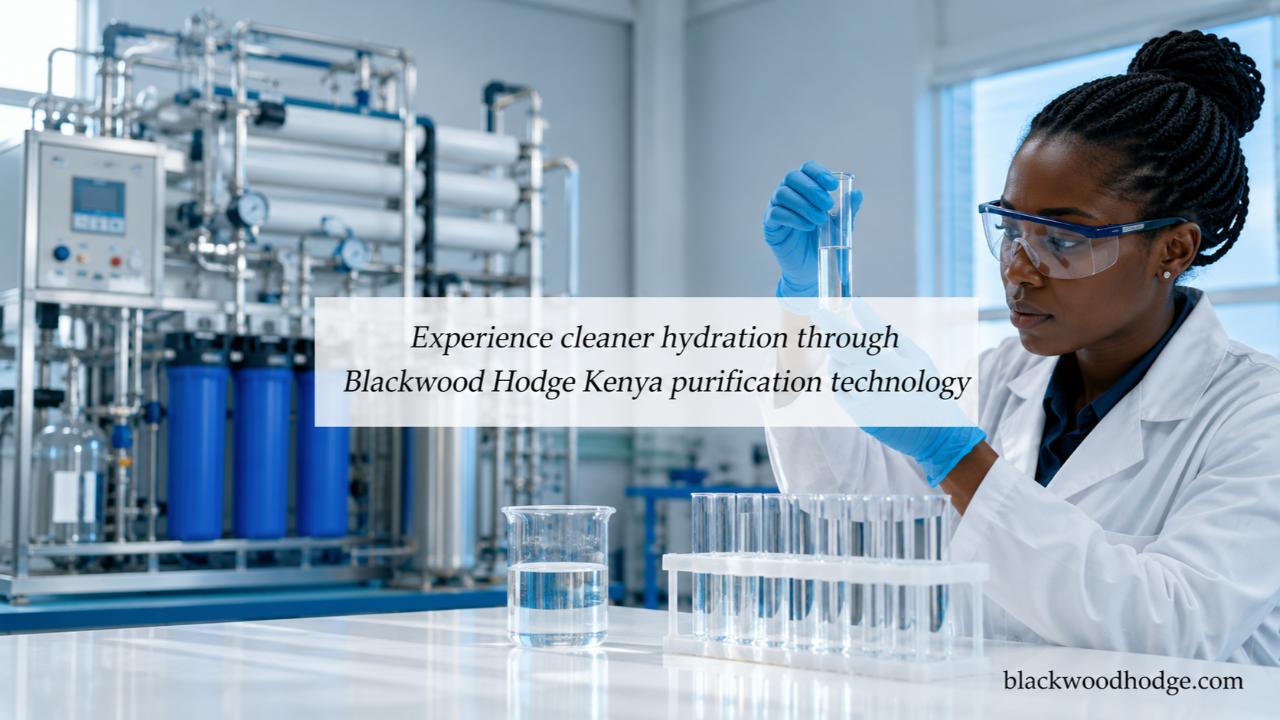
Note: At Blackwood Hodge Kenya Ltd, our team provides premium Drinking Water Purifier Machines in Kenya for commercial establishments. We focus on delivering sustainable, energy-efficient filtration setups that reduce dependency on expensive bottled water supplies. Call our local representatives this week to receive a tailored quotation for your company.
Key Features That Keep the Water Flowing
What actually goes on inside these large metal boxes to make them so reliable? It comes down to a combination of heavy-duty components built to survive a harsh factory environment.
- Multi-Stage Filtration Layers: Before the water even reaches a glass, it passes through several specialized barriers. First, coarse sediment traps catch large particles like rust or sand that often lurk in old industrial plumbing. Next, carbon blocks absorb unpleasant chemical tastes and odors. Finally, ultra-fine membranes strip out microscopic entities, leaving behind nothing but pure liquid.
- Rugged External Housing: Factory floors are dusty, warm, and full of vibration. A flimsy plastic unit will not last a week. Industrial purifiers are typically encased in thick stainless steel housings that resist impacts, corrosion, and heavy daily wear and tear.
- High-Output UV Sterilization: To guarantee absolute safety, many units incorporate an ultraviolet light chamber. As the water passes through, the light deactivates any remaining bacteria or viruses on a cellular level, acting as a final fail-safe.
- Smart Maintenance Indicators: No maintenance team has time to guess when a filter needs changing. Built-in pressure gauges and warning lights signal exactly when a component is nearing the end of its lifespan, preventing unexpected downtime.
Balancing Financial Investments and Long-Term Value
A common question business owners ask is whether these large installations are actually worth the upfront cost compared to simply buying massive pallets of plastic water bottles. When you break down the math, the old-school bottle method quickly loses its appeal.
Purchasing, transporting, storing, and recycling thousands of plastic jugs every single month creates a massive logistical headache and piles up recurring costs. On the flip side, an advanced commercial water filtration system plugs right into the existing municipal line. While the initial purchase and setup require a decent chunk of change, the ongoing cost per liter drops to next to nothing. Over a year or two, the savings on plastic alone usually pay for the machine entirely, turning a recurring expense into a predictable, low-cost utility.
Keeping the System Running at Peak Performance
Just like any other piece of factory equipment, you cannot simply install a purifier and forget about it forever. It requires a bit of routine love to keep it running at maximum efficiency. Fortunately, this does not mean hours of complicated labor.
It mostly boils down to scheduling regular filter swaps based on how much water the factory consumes. If the incoming water supply is particularly harsh or full of minerals, the internal membranes will work harder and clog faster. Keeping a simple logbook or setting a digital reminder for quarterly checkups ensures the water tastes fresh and the flow rate never drops. Neglecting this basic upkeep forces the internal pumps to work double-time, which wastes electricity and shortens the overall lifespan of the machine.
Conclusion
At the end of the day, installing high-capacity purification setups is one of the smartest operational moves a factory manager can make. It safeguards employee health, slashes the environmental waste of single-use plastics, and keeps operational costs firmly under control over the long haul. Providing clean, crisp water shows a genuine commitment to the workforce, which naturally boosts morale and productivity on the shop floor. For businesses looking to implement these dependable, high-performing hydration setups, partnering with an experienced provider makes all the difference. That is where Blackwood Hodge Kenya Ltd comes into play, delivering the rugged reliability and expert support required to keep industrial operations running at their absolute best.