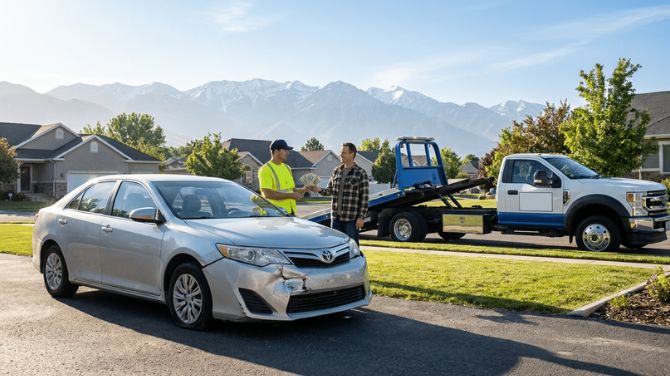
Sydney is a city that moves fast, and so does its relationship with ageing vehicles. Every year, tens of thousands of unwanted cars, trucks, and vans reach the end of their serviceable lives across the metropolitan area. For many vehicle owners, the instinct is simply to leave the old car rusting in the driveway or send it to an unknown fate. Yet there is a far more responsible and rewarding alternative. Choosing a reputable cash for cars in Sydney service does not only put money in your pocket. It actively reduces environmental damage, conserves natural resources, and keeps hazardous materials out of the soil and waterways that sustain communities across Greater Sydney and beyond.
Understanding the full scope of these environmental benefits helps residents make informed decisions and contributes to a cleaner, more sustainable Australia.
Why End-of-Life Vehicles Are an Environmental Concern
Before exploring the solutions, it is worth understanding the problem. An abandoned or improperly discarded vehicle is essentially a container full of environmental hazards. Engine oil, transmission fluid, brake fluid, power steering fluid, battery acid, and refrigerants are all present in a standard passenger vehicle. When a car deteriorates without proper handling, these fluids leach into surrounding soil and, eventually, into stormwater systems and groundwater.
Sydney’s waterways, including the Parramatta River, Georges River, and Port Jackson, are ecosystems that support aquatic life and recreational activity. Contamination from vehicle fluids poses genuine risks to these environments. Heavy metals such as lead, mercury, and cadmium, found in car batteries, catalytic converters, and electronic components, are persistent pollutants that accumulate in the food chain.
Beyond liquid hazards, an ageing vehicle that continues to be driven rather than replaced contributes disproportionately to air pollution. Older engines without modern emission control systems release higher concentrations of carbon monoxide, nitrogen oxides, and particulate matter. Sydney already faces periodic air quality challenges, and keeping high-emission vehicles on the road compounds those pressures.
How Cash for Cars Services Manage Environmental Hazards
A professional cash for cars service is far more than a buyer of unwanted vehicles. Reputable operators follow structured depollution processes before any vehicle reaches the dismantling stage. This means trained technicians systematically remove all hazardous fluids and components before the body of the car is processed further.
The depollution process typically involves:
Fluid Extraction and Disposal: Engine oil, coolant, brake fluid, and fuel are drained using specialised equipment. These fluids are then sent to licensed recycling facilities where they are refined or repurposed. Waste oil, for instance, can be re-refined into lubricating oil or used as an industrial fuel source. None of it enters the drain.
Battery Removal: Lead-acid batteries are among the most successfully recycled products in the world when handled through certified channels. Professional services ensure batteries are collected by accredited recyclers, where the lead and plastic casing are both recovered and reused. Lithium-ion batteries from electric and hybrid vehicles require even more careful handling due to their chemical composition, and responsible operators are equipped to manage them accordingly.
Tyre Recycling: Old tyres represent a significant waste stream across Australia. Tyres that cannot be retreaded are shredded and converted into rubber crumb, which is then used in products like playground surfaces, road construction, and athletic tracks. Cash for cars operators who partner with licensed tyre recyclers contribute directly to reducing landfill volumes.
Catalytic Converter Recovery: These components contain precious metals including platinum, palladium, and rhodium. Recovering them through professional channels means those finite resources are reintroduced into manufacturing supply chains rather than lost to landfill.
The Role of Auto Recycling in Reducing Raw Material Demand
One of the most compelling but often overlooked environmental benefits of using cash for cars services is the contribution to raw material conservation. The steel, aluminium, copper, and other metals recovered from end-of-life vehicles are returned to the manufacturing cycle, reducing the demand for virgin ore extraction.
Steel production from recycled scrap requires significantly less energy than producing steel from iron ore. It also generates substantially fewer carbon emissions. Given the scale of vehicle recycling across Australia, the cumulative reduction in energy consumption and greenhouse gas output is meaningful. Every tonne of recycled steel means less mining activity, less energy expenditure, and fewer emissions associated with primary production.
Copper recovered from wiring harnesses, aluminium from engine blocks and rims, and glass from windscreens all have established recycling pathways when a vehicle is processed by a professional dismantler. Parts that are still serviceable, such as alternators, starters, gearboxes, and body panels, are assessed for resale as second-hand components. Supplying the used parts market extends the life cycle of those components, reducing the need to manufacture replacements from new materials.
Scrap Car Removal Sydney: A Convenient and Responsible Solution
When a vehicle is truly beyond repair or economical restoration, the priority shifts from reuse to responsible disposal. This is where scrap car removal Sydney services provide a particularly valuable function. Rather than leaving a written-off or non-running vehicle to deteriorate in a residential area or a paddock, property owners can arrange a swift and professionally managed collection that ensures the car is processed in an environmentally sound manner.
Scrap removal services typically offer free towing, which removes a significant logistical barrier for owners of non-running vehicles. The car is transported to a licensed facility where the depollution and dismantling process described above takes place under regulatory oversight. In New South Wales, vehicle recyclers and dismantlers are subject to environmental protection requirements administered through the NSW Environment Protection Authority. Compliance with these standards means that the handling of hazardous materials is monitored and controlled.
For Sydney residents, using a licensed scrap removal operator is also the responsible way to avoid contributing to the illegal dumping of vehicles, which remains a persistent and costly problem in outer suburban and rural areas of New South Wales. Illegally dumped vehicles not only create visual blight but also pose direct environmental risks, particularly when located near waterways or bushland.
Frequently Asked Questions
Q. Does selling my old car through a cash for cars service actually help the environment?
Yes, in measurable ways. When you sell an unwanted vehicle to a reputable cash for cars operator, you are ensuring it enters a regulated disposal and recycling stream. Hazardous fluids are extracted and processed responsibly, usable parts are recovered for the second-hand market, and the remaining metal is sent for recycling. Compared to leaving the vehicle to deteriorate on private property or disposing of it through unregulated channels, a professional cash for cars service dramatically reduces the environmental footprint of that vehicle’s end-of-life stage.
Q. What happens to the hazardous fluids removed from my car?
Licensed depollution operators are required to collect and dispose of vehicle fluids through approved channels. Engine oil is typically sent to re-refiners or used as industrial fuel. Coolant may be recycled and reused. Brake fluid, power steering fluid, and fuel are collected and handled according to EPA guidelines. None of these fluids are discharged into stormwater drains or sewerage systems by compliant operators.
Q. Are electric and hybrid vehicle batteries recycled when the car is scrapped?
This is an increasingly relevant question as more electric and hybrid vehicles reach the end of their first ownership cycles. Lithium-ion batteries require specialised handling due to the risk of thermal events and the need to recover valuable materials including lithium, cobalt, and nickel. Reputable cash for cars operators in Sydney either have in-house capability to manage these batteries safely or partner with specialist battery recycling facilities. It is worth confirming this with any operator before proceeding if your vehicle is an electric or hybrid model.
Q. Is it legal to scrap a car in Sydney without using a licensed service?
In New South Wales, vehicles must be deregistered before being disposed of as scrap. The Roads and Maritime Services process handles deregistration, and owners are responsible for notifying the relevant authority that the vehicle has been disposed of. Using an unlicensed dismantler or abandoning a vehicle on public or private land is not only environmentally irresponsible but can attract significant fines. Working with a licensed cash for cars operator protects you legally and ensures the process complies with state regulations.
Q. How much of my old car actually gets recycled?
Modern vehicle recycling technology has made it possible to recover a high proportion of materials from end-of-life vehicles. The steel and aluminium alone account for a substantial portion of the vehicle’s weight, and both are highly recyclable. Add to this recovered fluids, tyres, glass, copper wiring, and reusable mechanical components, and a responsible recycling operation can recover and redirect the overwhelming majority of the vehicle’s material value. Residual waste that cannot be recovered is minimised, though it has not been entirely eliminated, and the industry continues to develop processes to address this remaining fraction.
The Broader Picture: Urban Sustainability and Responsible Consumption
Sydney’s growth trajectory places increasing pressure on its natural environment. Road networks expand, vehicle fleets grow, and the volume of end-of-life vehicles requiring disposal rises accordingly. In this context, the vehicle recycling industry plays a quiet but important role in the broader sustainability ecosystem of the city.
Choosing to use a professional cash for cars service rather than abandoning or neglecting an old vehicle is an act of environmental responsibility that aligns with wider community values around sustainability and resource stewardship. It supports local businesses operating under environmental compliance frameworks, contributes to the circular economy by returning materials to productive use, and reduces the burden on landfill infrastructure.
For Sydney residents who are weighing up what to do with an unwanted, damaged, or non-running vehicle, the environmental case for professional disposal is clear and compelling. The added benefit of receiving a cash payment makes it a decision that rewards both personal finances and civic responsibility. Making the call to a licensed operator is a straightforward way to ensure that your vehicle’s final chapter is written responsibly, with minimal impact on the city and natural environment you share with millions of others.