Industrial cooling towers play a very important role in factories, power plants, commercial buildings, and manufacturing units. These systems help remove extra heat from machines and processes. Without proper cooling, equipment can overheat, production may stop, and energy costs can rise.
Cooling towers work every day in difficult conditions. Because of this, they need regular care, cleaning, and safety checks. A well-maintained cooling tower can last longer, work better, and reduce repair costs. On the other hand, poor maintenance can lead to breakdowns, water contamination, safety risks, and expensive downtime.
This guide explains everything you need to know about industrial cooling tower care and safety in simple English. It covers cleaning, inspection, water treatment, worker safety, and common maintenance practices that help keep cooling towers running smoothly.
Understanding Industrial Cooling Towers
Note : Efficient cooling tower services in uae had been offered to meet the demands of industrial and commercial operations. Comprehensive inspections, cleaning, and repair services had been completed with high standards of quality and care. Presto Electromechanics Company LLC had been helping clients maintain smooth operations successfully.
What Is an Industrial Cooling Tower?
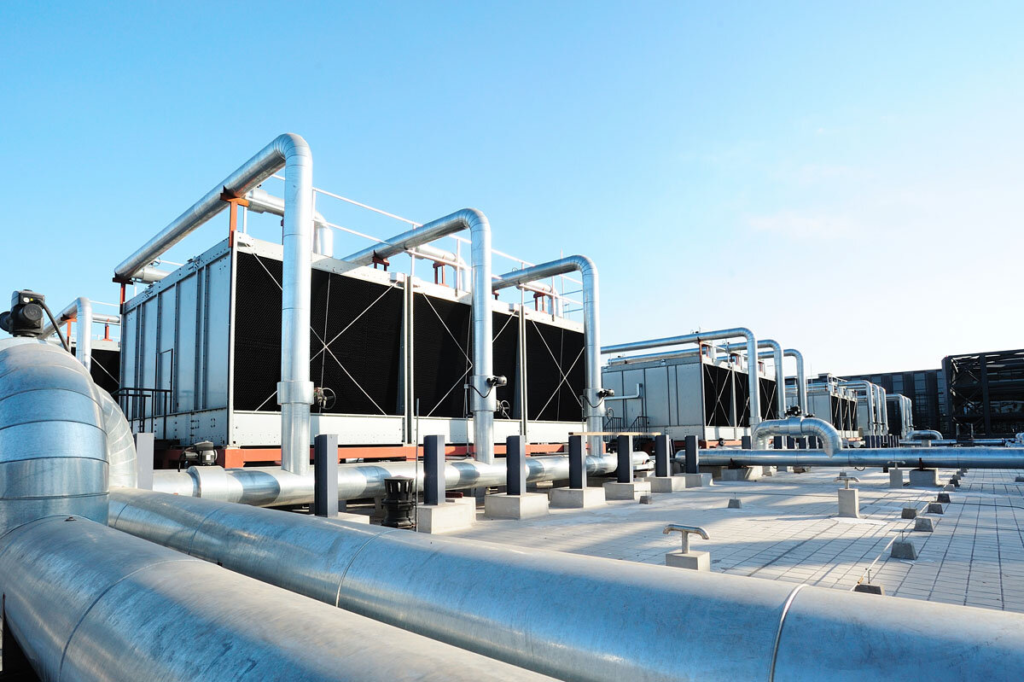
An industrial cooling tower is a system used to remove heat from water. The tower cools hot water by allowing it to come in contact with air. This process lowers the water temperature before it returns to the system again.
Cooling towers are commonly used in:
- Manufacturing plants
- Chemical industries
- HVAC systems
- Power stations
- Food processing factories
- Oil and gas industries
These systems help maintain safe operating temperatures and improve machine performance.
Why Cooling Tower Maintenance Is Important
Regular maintenance keeps the cooling tower efficient and safe. A neglected cooling tower can create many problems.
Common Problems Caused by Poor Maintenance
Scale Build-Up
Minerals in water can collect inside the tower and pipes. This reduces heat transfer and blocks water flow.
Corrosion
Metal parts can rust when water treatment is poor. Corrosion weakens the system and causes leaks.
Bacteria Growth
Warm water and moisture create the perfect place for bacteria and algae to grow. This can affect water quality and worker health.
Reduced Efficiency
Dirty cooling towers use more energy because the system must work harder to cool water.
Equipment Damage
Blocked pipes, dirty fans, and damaged pumps can lead to expensive repairs or system failure.
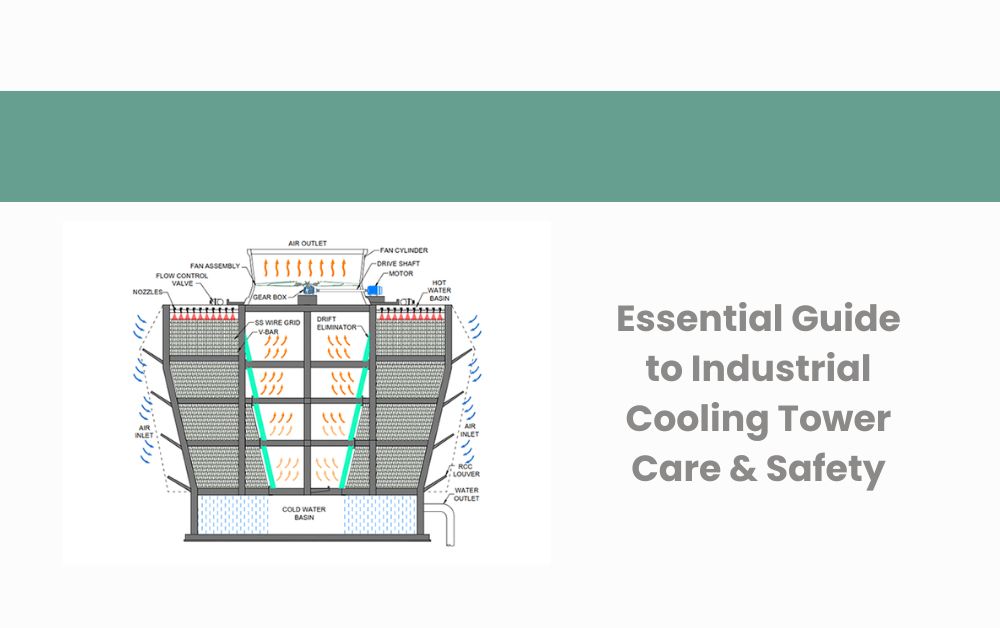
Main Parts of a Cooling Tower
Understanding the main parts helps in proper maintenance and inspection.
Cooling Tower Fill
The fill increases the contact area between water and air. This improves cooling performance.
If the fill becomes dirty or damaged, cooling efficiency drops quickly.
Fan and Motor
The fan pulls air through the tower. The motor powers the fan.
These parts must stay clean and properly lubricated to avoid overheating and vibration problems.
Water Basin
The basin collects cooled water at the bottom of the tower.
Mud, dirt, and algae often collect here, so regular cleaning is necessary.
Drift Eliminators
These parts reduce water droplets from escaping the tower.
Damaged drift eliminators waste water and increase contamination risks around the cooling tower area.
Pumps and Pipes
Pumps move water through the cooling system. Pipes carry water between the tower and equipment.
Leaks or blockages in pipes can reduce cooling performance.
Essential Cooling Tower Maintenance Practices
Perform Regular Inspections
Regular inspections help identify small problems before they become major repairs.
What to Check During Inspection
Fan Operation
Listen for unusual sounds and check for vibration.
Motor Condition
Look for overheating, loose wiring, or oil leakage.
Water Flow
Make sure water is moving properly without blockage.
Structural Damage
Inspect the tower body for cracks, rust, or loose parts.
Water Quality
Check for dirty water, algae growth, or unusual smell.
A detailed inspection schedule helps maintain consistent performance.
Clean the Cooling Tower Frequently
Cleaning removes dirt, bacteria, and mineral deposits.
Areas That Need Cleaning
Basin Cleaning
Remove sludge, mud, and debris from the bottom basin.
Fill Cleaning
Dirty fill materials reduce heat transfer and airflow.
Nozzle Cleaning
Blocked nozzles affect water distribution inside the tower.
Fan Blade Cleaning
Dust on fan blades reduces airflow efficiency.
Cleaning schedules depend on tower usage and environmental conditions.
Importance of Water Treatment
Why Water Treatment Matters
Water treatment protects the cooling tower from scale, corrosion, and bacteria.
Without treatment, minerals and contaminants build up quickly.
Common Water Treatment Methods
Chemical Treatment
Special chemicals help control bacteria, algae, and mineral deposits.
Filtration Systems
Filters remove dirt and particles from the water.
Blowdown Process
Blowdown removes concentrated minerals from the system by draining part of the water.
Water Testing
Regular testing helps maintain proper chemical balance.
Benefits of Proper Water Treatment
- Longer equipment life
- Better cooling efficiency
- Lower maintenance costs
- Reduced corrosion
- Cleaner water circulation
- Improved worker safety
Cooling Tower Safety Guidelines
Importance of Workplace Safety
Cooling towers can create risks if safety rules are ignored. Workers may face dangers such as slippery surfaces, electrical hazards, chemical exposure, and bacteria contamination.
Proper safety training reduces accidents and protects employees.
Personal Protective Equipment (PPE)
Workers should always wear proper safety equipment during maintenance.
Common PPE for Cooling Tower Work
Safety Gloves
Protect hands from chemicals and sharp surfaces.
Safety Glasses
Prevent eye injury from chemicals and debris.
Safety Shoes
Reduce slipping and protect feet from heavy tools.
Respirators
Used when handling strong chemicals or working in dusty conditions.
Helmets
Protect workers from falling objects during repair work.
Lockout and Tagout Procedures
Before maintenance begins, equipment should be fully shut down.
Lockout and tagout procedures prevent accidental machine startup during repair work.
This step is very important for worker safety.
Prevent Slips and Falls
Cooling tower areas are often wet and slippery.
Ways to Improve Safety
- Keep walkways dry
- Install anti-slip flooring
- Use safety railings
- Maintain proper lighting
- Remove obstacles from pathways
Legionella Prevention in Cooling Towers
What Is Legionella?
Legionella is a harmful bacteria that can grow in warm water systems, including cooling towers.
Breathing contaminated water droplets may cause serious lung infections.
How to Prevent Legionella Growth
Maintain Proper Water Treatment
Balanced chemical levels reduce bacteria growth.
Regular Cleaning and Disinfection
Routine cleaning removes biofilm and contamination.
Monitor Water Temperature
Warm stagnant water increases bacteria growth.
Conduct Water Testing
Frequent testing helps detect bacteria early.
Preventing Legionella is an important part of industrial cooling tower safety.
Seasonal Cooling Tower Maintenance
Summer Maintenance
Cooling towers work harder during hot weather.
Summer Care Tips
- Check water levels daily
- Inspect fans regularly
- Monitor temperature closely
- Increase cleaning frequency if needed
Winter Maintenance
Cold weather creates different challenges.
Winter Care Tips
- Prevent freezing in pipes
- Drain unused systems
- Inspect insulation
- Check heaters and temperature controls
Seasonal maintenance improves year-round performance.
Signs Your Cooling Tower Needs Immediate Attention
Unusual Noise
Grinding or loud sounds may indicate fan or motor problems.
Reduced Cooling Performance
If water is not cooling properly, there may be blockage, dirty fill, or pump issues.
Water Leaks
Leaks can damage nearby equipment and increase water waste.
High Energy Bills
An inefficient cooling tower uses more electricity.
Strong Odors
Bad smells may indicate bacteria growth or dirty water.
Quick action prevents bigger problems and expensive repairs.
Energy Efficiency Tips for Cooling Towers
Keep the System Clean
Clean systems transfer heat more effectively and use less energy.
Use Quality Water Treatment
Good water treatment prevents scale and improves efficiency.
Monitor Fan Speed
Variable speed fans can reduce electricity usage during lower cooling demand.
Repair Leaks Quickly
Leaks waste water and reduce cooling performance.
Replace Damaged Parts
Worn-out motors, pumps, and fill materials reduce system efficiency.
Energy-efficient cooling towers lower operating costs and improve performance.
Importance of Professional Maintenance Services
Why Professional Support Helps
Some maintenance tasks require trained technicians.
Professional cooling tower service providers can:
- Perform deep cleaning
- Conduct water analysis
- Inspect mechanical systems
- Detect hidden problems
- Ensure safety compliance
Professional inspections help avoid major shutdowns and costly damage.
Building a Cooling Tower Maintenance Schedule
Daily Maintenance Tasks
Check Water Levels
Low water levels affect cooling performance.
Observe System Operation
Listen for unusual sounds and inspect water flow.
Weekly Maintenance Tasks
Clean Debris
Remove leaves, dust, and dirt from the system.
Check Chemical Levels
Maintain proper water treatment balance.
Monthly Maintenance Tasks
Inspect Mechanical Parts
Check motors, fans, belts, and pumps.
Test Water Quality
Monitor bacteria, mineral levels, and pH balance.
Annual Maintenance Tasks
Complete System Inspection
Inspect the entire cooling tower structure and equipment.
Deep Cleaning
Perform full cleaning and disinfection of the system.
A proper maintenance schedule improves reliability and safety.
Common Cooling Tower Mistakes to Avoid
Ignoring Small Problems
Minor leaks or vibration issues can become expensive repairs later.
Skipping Water Treatment
Poor water treatment leads to corrosion and bacteria growth.
Delaying Cleaning
Dirty cooling towers lose efficiency quickly.
Using Untrained Workers
Cooling tower maintenance requires proper knowledge and safety training.
Forgetting Safety Procedures
Ignoring safety rules can lead to serious workplace accidents.
Avoiding these mistakes helps extend equipment life and reduce downtime.
Environmental Benefits of Proper Cooling Tower Care
Water Conservation
Well-maintained towers use water more efficiently.
Reduced Energy Consumption
Efficient cooling systems lower electricity use.
Lower Chemical Waste
Proper water treatment reduces excess chemical usage.
Improved Air Quality
Clean cooling towers reduce harmful bacteria and contamination.
Good maintenance supports both business performance and environmental responsibility.
Future Trends in Cooling Tower Maintenance
Smart Monitoring Systems
Modern cooling towers now use sensors and digital monitoring tools.
These systems help track:
- Water temperature
- Energy use
- Chemical balance
- Equipment performance
Smart monitoring helps detect problems early.
Automated Water Treatment
Automatic systems maintain water quality with less manual work.
Energy-Efficient Designs
New cooling tower designs improve airflow and reduce power usage.
Businesses are increasingly choosing eco-friendly cooling systems to lower operating costs.
Conclusion
Industrial cooling towers are important systems that help industries manage heat and maintain smooth operations. Regular maintenance, proper cleaning, water treatment, and strong safety practices are necessary for reliable performance.
A well-maintained cooling tower works more efficiently, lasts longer, and reduces repair costs. It also helps protect workers from health and safety risks.
For more insightful articles related to this topic, feel free to visit bloggingwebs