Introduction
Germany is a top destination for international trade fairs. It hosts major exhibitions in industries like industrial manufacturing, automotive technology, healthcare, food processing, electronics, and consumer goods, attracting exhibitors and visitors from around the world. Businesses view these events as opportunities to build relationships, showcase innovations, and understand market demands.
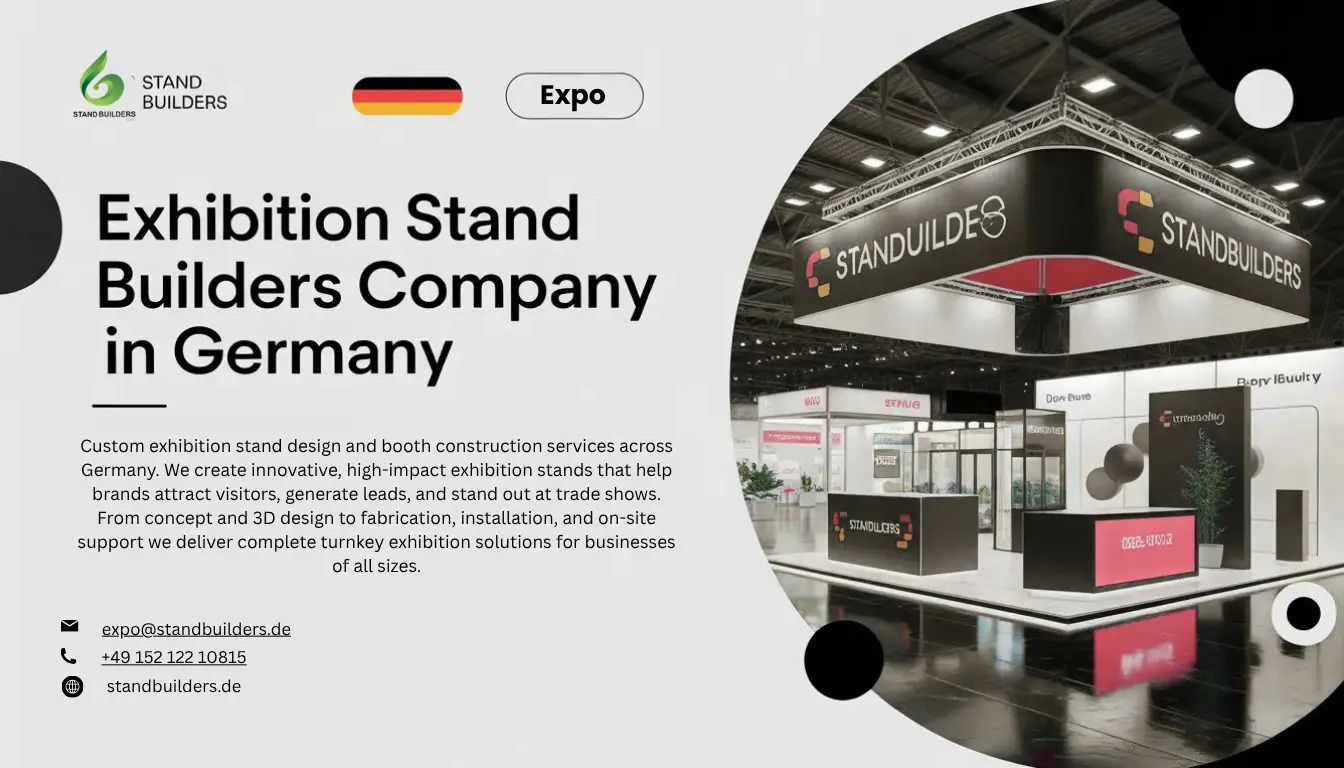
Preparing for an exhibition goes beyond reserving booth space. Successful exhibitors think about objectives, visitor engagement, logistics, branding, and booth functionality months in advance. Understanding the role of an Exhibition Stand Builders Company in Germany is crucial. Experienced exhibitors know that stand construction is key to creating memorable visitor experiences.
This guide looks at the German exhibition landscape, planning considerations, stand design strategies, budgeting insights, and common challenges businesses face before exhibiting.
Overview of Exhibitions in Germany
Germany hosts many of Europe’s largest and most recognized trade fairs. Cities like Hannover, Frankfurt, Düsseldorf, Munich, Berlin, Cologne, and Nuremberg welcome exhibitors from hundreds of industries.
These exhibitions serve various purposes beyond just promoting products. Companies participate to strengthen partnerships, launch new products, conduct market research, find distributors, and learn about competitors.
Germany’s exhibition infrastructure is highly developed. Modern venues offer great transportation access, top-notch facilities, multilingual support, and professional event management. Many businesses consider Germany the best entry point into European markets because of this.
The international environment has also led to a rise in experienced Exhibition Stand Builders in Germany, who are familiar with venue regulations, logistics requirements, and local exhibition standards.
Why Careful Exhibition Planning Matters
Successful exhibition participation is rarely a matter of luck. Companies that achieve significant outcomes usually start planning several months before the event.
The first step is to set clear objectives. Some organizations want to generate sales leads, while others aim for brand awareness, product launches, networking, or customer education.
Once objectives are clear, every decision from booth size to visitor engagement activities—can better support those goals.
Planning also includes scheduling product shipments, arranging accommodations, preparing promotional materials, training booth staff, and coordinating installation timelines. Even small delays can cause stress during setup.
Experienced Stand Builders in Germany often work with exhibitors during this planning phase to ensure booth concepts align with venue requirements.
Understanding Visitor Expectations at German Trade Shows
Trade show visitors are increasingly selective about which booths to explore. Modern attendees prefer functional spaces that provide engaging experiences over excessive decoration.
Visitors generally favor stands that offer:
Clear brand messaging
Comfortable meeting areas
Interactive demonstrations
Easy product access
Digital engagement opportunities
Professional lighting
Well-organized layouts
Successful exhibitors simplify communication and allow conversations to happen naturally instead of overwhelming visitors with information.
Businesses that grasp visitor behavior create environments where discussions feel productive rather than overly promotional.
Types of Exhibition Stand Designs
One of the main decisions exhibitors face is selecting the right stand concept. Different objectives call for different design approaches.
Custom Exhibition Stands
Custom-built stands are tailored to a company’s branding, products, and visitor journey. These stands allow for more creative flexibility and often enhance brand recognition at major international exhibitions.
Many organizations that exhibit frequently across Europe prefer custom solutions because they can adapt to different venues and event sizes.
Modular Exhibition Stands
Modular systems provide flexibility without needing entirely new setups for each exhibition. Components can be reconfigured based on available floor space while keeping consistent branding.
This method works well for businesses attending several exhibitions each year.
Double-Deck Exhibition Stands
Large exhibitors sometimes opt for double-deck stands to make the most of limited floor space. These designs separate public product displays from private meeting areas, facilitating more efficient visitor management.
Sustainable Booth Designs
Sustainability is an increasingly important factor in the exhibition industry. Reusable structures, recyclable materials, energy-efficient lighting, and eco-friendly production methods are now expected features.
Many Exhibition Stand Builders in Germany incorporate sustainable practices into booth development to meet environmental goals and client demands.
Exhibition Stand Design Trends in Germany
Modern exhibitions evolve with technology and changing visitor preferences.
Current Exhibition Stand Design in Germany focuses more on immersive experiences than on static displays.
Features like interactive touchscreens, LED walls, augmented reality, product simulations, and live demonstrations have become common.
Open layouts are gaining popularity over enclosed booths. Companies now emphasize accessibility and encourage visitors to explore comfortably.
Natural materials, greenery, minimalist designs, and inviting hospitality areas help create welcoming exhibition environments.
Exhibitors are increasingly competing on experience rather than just size.
Budget and Cost Insights
Budget planning is crucial for exhibition preparation.
Many first-time exhibitors think booth construction is the largest expense, but several other elements contribute to the total budget.
Venue rental, stand construction, logistics, transportation, utilities, internet, furniture rental, graphic production, accommodations, travel, insurance, staffing, catering, promotional materials, and storage all add up.
Costs differ based on stand size, customization, technology, and location.
Firms often find it useful to set aside contingency budgets for unexpected costs, especially for international events.
Working with an experienced Exhibition Stand Contractor in Germany often provides better clarity on realistic budgeting by identifying potential costs during planning instead of after construction.
Common Challenges Businesses Face
Even well-prepared exhibitors sometimes face unexpected problems.
One common issue is trying to communicate too many messages at once. Visitors usually remember one clear idea better than multiple competing messages.
Another concern is booth layouts that prioritize looks over functionality. Attractive displays can draw attention, but poor visitor flow can hinder meaningful interactions.
Logistics can also lead to complications. Delayed shipments, missing equipment, incomplete graphics, or scheduling conflicts can impact the entire experience.
Staff preparedness is another often-overlooked factor. A stunning stand won’t matter if representatives struggle to engage visitors.
Experienced Expo Stand builders in Germany help exhibitors anticipate these challenges during planning.
Common Mistakes to Avoid
Many exhibition problems stem from avoidable planning errors rather than surprises.
Some businesses wait until a few weeks before the exhibition to start planning, limiting their design options and raising costs.
Others underestimate the importance of visitor engagement strategies, thinking attractive booth graphics alone will start conversations.
Ignoring local regulations can cause unnecessary delays during installation.
Some exhibitors spend most of their budgets on booth construction while neglecting marketing materials, staff training, or lead management systems.
Conclusion
Germany continues to provide one of the best environments for international exhibitions, making careful preparation essential for businesses seeking valuable results. Successful exhibitors know that participating in trade shows goes beyond just attractive graphics. Strategic planning, visitor experience, realistic budgeting, thoughtful stand design, and smooth operations lead to exhibition success.
A well-informed approach helps organizations maximize learning opportunities and reduce risks and unexpected costs. As exhibition expectations change, teaming up with an Exhibition Stand Builders Company in Germany may be a smart choice for businesses aiming to blend creative booth concepts with efficient execution, local regulations, and long-term exhibition goals without overly complicating planning.
FAQs
Why is Germany considered one of the best countries for international exhibitions?
Germany hosts some of the world’s largest trade fairs across various industries and provides modern venues, excellent infrastructure, strong international participation, and well-organized event management.
How early should businesses begin planning for a trade show in Germany?
Most experienced exhibitors start planning six to twelve months before the event to allow enough time for booth design, logistics, marketing preparation, and staff coordination.
What influences exhibition stand costs the most?
Stand size, customization level, technology, construction materials, logistics, venue services, and location are key factors that affect overall costs.
What are the advantages of custom exhibition stands over modular stands?
Custom stands offer greater branding flexibility and unique visitor experiences, while modular stands provide cost efficiency, reusability, and adaptability for multiple exhibitions.
When should businesses consider working with exhibition stand professionals?
Companies usually seek professional help when exhibiting internationally, managing complex booth needs, attending large trade fairs, or needing assistance with design, logistics, installation, and local regulations.