Heating and cooling costs can make up a significant portion of your monthly utility bills, especially in regions with changing seasonal temperatures. Homeowners are increasingly looking for reliable systems that offer long-term savings while maintaining consistent indoor comfort. Geothermal technology, also known as a ground source heat pump system, uses the stable temperature below the ground to heat and cool your home, making it an environmentally friendly and dependable solution.
Whether you are replacing an aging HVAC system or planning a new construction project, understanding how geothermal systems work can help you make an informed decision. Investing in Geothermal Services In Iowa City, IA allows homeowners to enjoy lower operating costs, quieter performance, and dependable comfort throughout the year. With proper installation and routine maintenance, these systems can deliver reliable performance for decades.
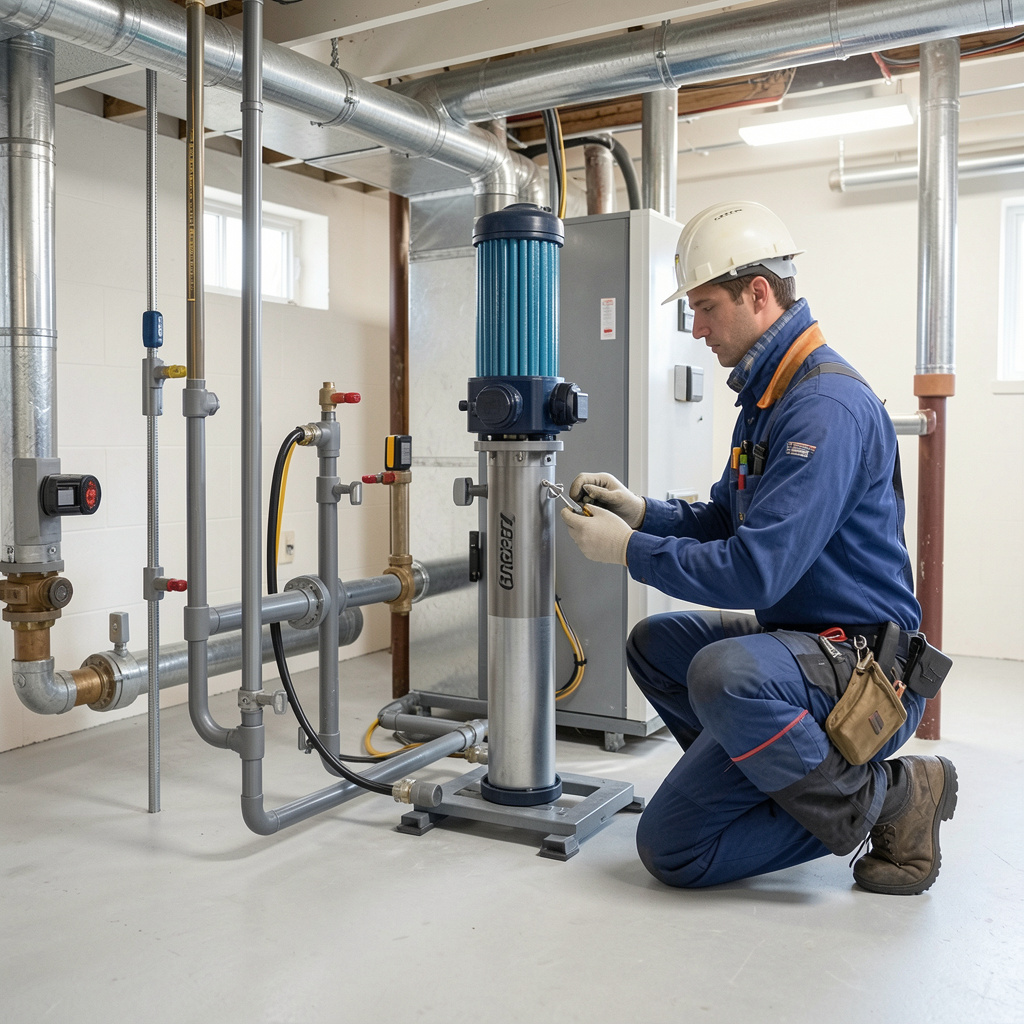
How Geothermal Systems Work
A geothermal HVAC system transfers heat instead of generating it. During colder months, the system extracts natural heat from underground and moves it into your home. In warmer weather, the process reverses, carrying unwanted indoor heat back into the earth.
Many geothermal systems use closed-loop or open-loop designs. Closed-loop systems may be installed in horizontal or vertical loop fields, depending on available land and site conditions. This efficient heat exchange process reduces energy consumption because the system does not rely on burning fuel or constantly producing heated or cooled air. As a result, homeowners often experience more stable indoor temperatures and lower utility bills.
Why Homeowners in Iowa City, IA Choose Geothermal Heating and Cooling
The climate in Iowa City, IA includes cold winters and warm summers, making energy-efficient HVAC systems an attractive option. Geothermal systems perform consistently in changing weather because underground temperatures remain relatively stable throughout the year.
Some key advantages include:
a.Lower monthly heating and cooling expenses.
b. Consistent indoor temperatures in every season.
c. Reduced environmental impact.
d. Quiet system operation.
e. Longer equipment lifespan compared to many conventional systems.
f. Low routine maintenance requirements with periodic professional service.
Many modern geothermal systems also achieve high efficiency ratings, often measured by COP (Coefficient of Performance) for heating and EER (Energy Efficiency Ratio) for cooling. Some systems can also include a desuperheater, which captures excess heat to help provide domestic hot water more efficiently.
These benefits make geothermal technology an appealing investment for homeowners planning for long-term comfort.
Federal Tax Credits and Long-Term Savings
Although geothermal systems typically require a higher upfront investment than conventional HVAC equipment, installed costs commonly range from $15,000 to $35,000, depending on the property’s size, loop design, and installation requirements.
Many homeowners may also qualify for the Federal Residential Clean Energy Tax Credit, which can significantly reduce installation costs for eligible geothermal heat pump systems. Combined with lower monthly utility bills, geothermal systems often achieve a payback period of approximately 8 to 15 years, depending on energy usage and available incentives.
Signs It May Be Time to Upgrade Your HVAC System
Older heating and cooling equipment often becomes less efficient over time. If your current system struggles to keep your home comfortable, it may be worth considering a geothermal upgrade.
Common warning signs include:
a. Rising energy bills without increased usage.
b. Uneven temperatures throughout the home.
c. Frequent repair appointments.
d. Unusual noises during operation.
e. Equipment nearing the end of its expected lifespan.
Replacing an outdated HVAC system before it completely fails can help you avoid unexpected breakdowns during extreme weather.
Maintenance Tips for Long-Term Performance
Like any HVAC equipment, geothermal systems benefit from regular inspections and preventive maintenance. Although underground loops generally require very little attention, indoor components should still be inspected periodically.
Helpful maintenance practices include:
a. Replace or clean air filters regularly.
b. Schedule annual professional inspections.
c. Keep vents and registers unobstructed.
d. Monitor thermostat settings for efficiency.
e. Address unusual performance changes promptly.
Routine maintenance helps preserve efficiency, extend equipment life, and reduce the likelihood of costly repairs.
Choosing the Right Geothermal Solution
Every property has different heating and cooling requirements. Factors such as lot size, insulation quality, home layout, and household energy usage all influence the ideal geothermal system design.
A professional evaluation helps determine whether a closed-loop or open-loop system, along with a horizontal or vertical loop field, is the best fit for your property. Proper installation is essential because even high-quality equipment may underperform if incorrectly designed or installed.
Conclusion
Homeowners looking for dependable comfort and long-term energy savings are increasingly exploring geothermal services in Iowa City, IA as a practical heating and cooling solution. These systems provide reliable performance in every season while helping reduce utility costs and environmental impact. By understanding the technology, recognizing when an upgrade makes sense, taking advantage of available tax incentives, and following routine maintenance practices, you can enjoy efficient indoor comfort for many years. If you’re considering a modern HVAC upgrade, consult a qualified local HVAC professional to determine whether a geothermal system is the right solution for your home.
Source URL – https://shorturl.at/GjagO