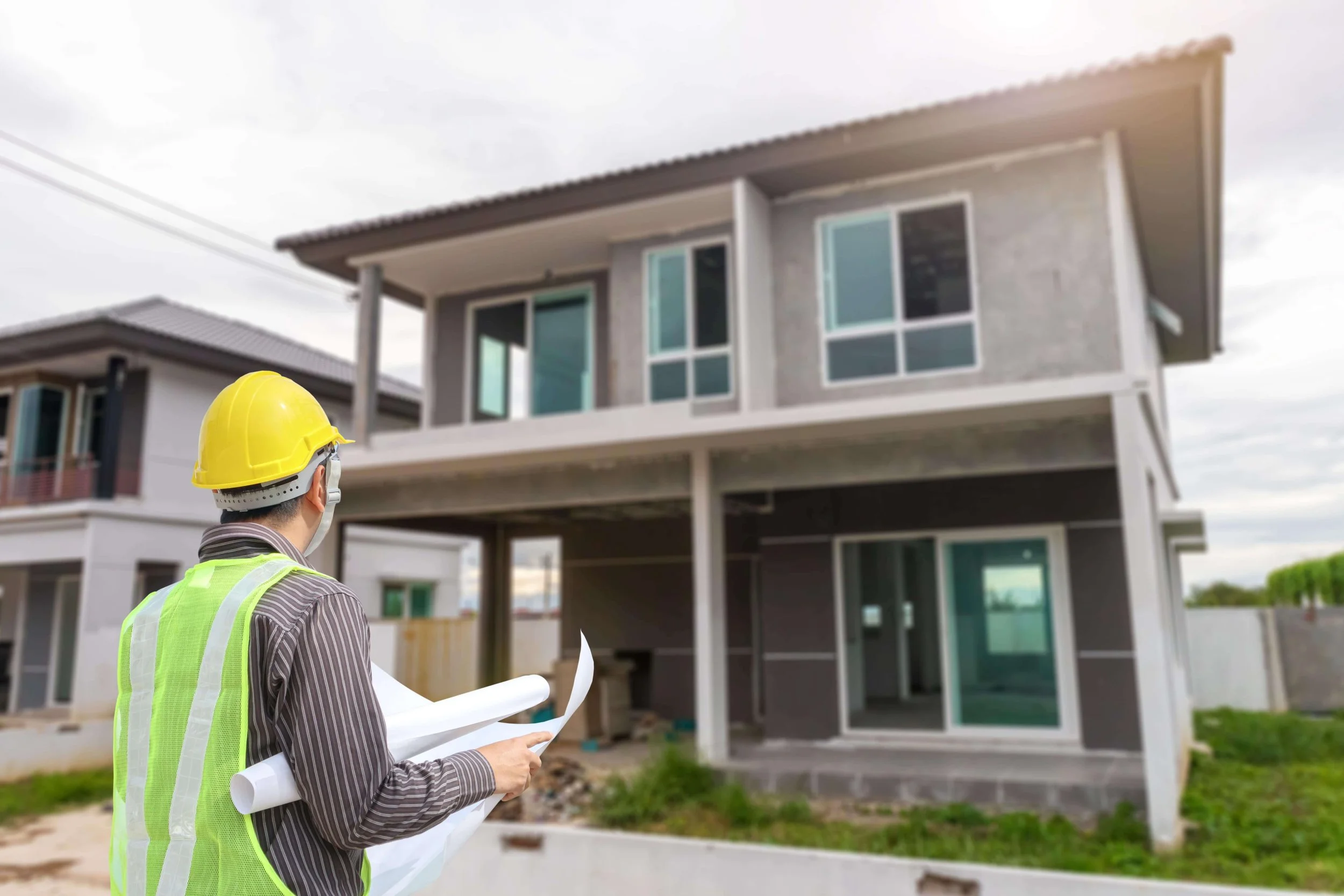
Property inspections are one of the most valuable steps in any real estate transaction. They help buyers understand the true condition of a building before making a financial commitment. At the same time, sellers can identify and fix problems before listing their property, making the process smoother for everyone involved. An inspection provides a clear picture of structural components, electrical systems, plumbing, roofing, and many other important areas. Whether the property is old or newly built, having it professionally inspected can prevent unexpected repairs and costly surprises later.
What Is Included in a Professional Inspection
A standard inspection covers the major systems and visible parts of a property. Inspectors carefully evaluate the foundation, walls, roof, attic, windows, doors, insulation, electrical wiring, plumbing fixtures, heating, and cooling systems. They also check for signs of moisture damage, poor ventilation, or safety concerns. The goal is not only to identify current issues but also to point out areas that may require maintenance in the future. After the inspection, clients receive a detailed report that explains the findings in simple language along with recommendations for repairs or improvements.
Understanding Different Inspection Types
Not every inspection is the same because different properties have different needs. Residential inspections focus on houses, townhomes, and condominiums, while specialized inspections may evaluate roofs, pools, mold, or termite activity. Businesses often require Commercial Home Inspection services before purchasing office buildings, warehouses, retail spaces, or other commercial properties. These inspections are generally more detailed because commercial buildings often have larger mechanical systems, greater safety requirements, and more complex structural elements. Choosing the correct inspection type ensures that the property is evaluated according to its intended use.
Factors That Influence Inspection Pricing
The cost of an inspection depends on several important factors. Property size is one of the biggest influences because larger buildings require more time to inspect. The property’s age also plays a role since older structures often need closer examination. Additional services, such as testing for mold or sewer line evaluations, may increase the total price. Local market rates and the inspector’s experience can also affect pricing. Homeowners researching Four Point Inspection Cost Orlando FL should understand that the final amount can vary depending on the property’s condition, insurance requirements, and any optional inspection services requested.
Benefits of Hiring an Experienced Inspector
Working with a qualified inspector provides confidence throughout the buying or selling process. Experienced professionals know where hidden problems commonly appear and can identify issues that are easy to overlook. Their reports help clients make informed decisions based on facts rather than assumptions. Buyers can negotiate repairs before closing, while sellers gain the opportunity to fix concerns before potential buyers discover them. A professional inspection also creates peace of mind by reducing uncertainty and providing a better understanding of the property’s overall condition.
Common Issues Found During Inspections
Even well-maintained properties may have hidden problems that become visible during an inspection. Roof leaks, outdated electrical panels, plumbing leaks, foundation cracks, damaged insulation, and poor drainage are some of the most common findings. Heating and cooling systems may also show signs of wear that could lead to expensive repairs if ignored. Detecting these problems early allows property owners to address them before they become more serious. Regular inspections also help extend the lifespan of many building systems through timely maintenance.
How to Prepare for an Inspection
Preparing a property before an inspection helps the process move smoothly. Homeowners should make sure all rooms, utility areas, attics, crawl spaces, and electrical panels are easy to access. Replacing burned-out light bulbs, changing HVAC filters, and repairing small maintenance issues can also improve the inspection experience. Keeping documents related to previous repairs or renovations available may help answer questions during the visit. A clean and organized property allows the inspector to complete a more thorough evaluation without unnecessary delays.
Choosing the Right Inspection Company
Selecting the right inspection company requires more than comparing prices. Look for licensed professionals with strong experience, positive customer reviews, and detailed sample reports. A good inspector explains findings clearly and answers questions without using confusing technical language. Reliable companies also carry proper insurance and stay updated on current inspection standards. Taking time to research qualifications helps ensure accurate results and professional service throughout the inspection process.
Final Thoughts
A professional property inspection is an important investment that helps protect buyers, sellers, and property owners from unexpected problems. It provides valuable information about the condition of a building and supports confident decision-making during real estate transactions. Understanding the inspection process, preparing the property properly, and hiring an experienced professional all contribute to a better overall experience. Whether purchasing a family home or evaluating a larger investment property, a thorough inspection offers knowledge that can save both time and money in the future.