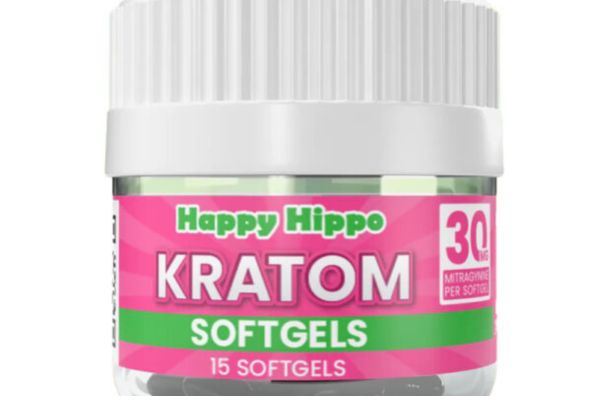
As interest in botanical products has grown over the past decade, a variety of companies have entered the marketplace, each offering different product selections, branding strategies, and educational resources. One name that is frequently mentioned in discussions about botanical products is Happy Hippo Kratom. Whether encountered through online searches, consumer reviews, or industry conversations, the brand has become recognizable within this segment of the botanical marketplace.
This article provides a neutral and educational overview of Happy Hippo Kratom, exploring general aspects of botanical products, manufacturing practices, quality considerations, labeling, and consumer awareness. It is intended solely for informational purposes and does not promote or recommend the purchase or use of any specific product.
Understanding Botanical Products
Botanical products are made from plant-derived materials that have traditionally been used in various cultural and historical contexts. Today, manufacturers offer these products in several formats, including powders, capsules, tablets, extracts, and other preparations.
Different companies may use unique branding, packaging, and manufacturing methods, but the importance of quality control, transparency, and accurate product information remains consistent across the industry.
About Happy Hippo Kratom
Happy Hippo Kratom is a well-known brand within the botanical products market. Like many companies in this industry, it offers a range of products presented in different formats and marketed under distinctive product names.
Brand recognition often develops through factors such as customer service, product consistency, educational materials, and overall business practices. However, consumers should evaluate products based on objective information rather than branding alone.
Product Formats in the Botanical Industry
Manufacturers commonly provide botanical materials in several forms to accommodate different storage and packaging preferences.
These formats may include:
- Powdered botanical material
- Capsules
- Tablets
- Extract-based products
- Sample packs
- Variety collections
Each format differs in preparation, packaging, and handling, but all require appropriate manufacturing standards and quality assurance.
Manufacturing Process
Responsible manufacturers generally follow structured production procedures designed to maintain product consistency.
The manufacturing process often includes:
Raw Material Selection
Production begins with sourcing botanical materials from suppliers that meet established quality specifications.
Inspection
Incoming materials are inspected before production to verify that they meet internal quality requirements.
Processing
Botanical materials are prepared and processed into the desired format using standardized manufacturing procedures.
Packaging
Products are packaged in containers intended to protect them from moisture, excessive heat, and environmental exposure during storage and transportation.
Importance of Quality Assurance
Quality assurance is an important aspect of botanical product manufacturing. Reliable companies often establish quality management systems that monitor production from raw materials through final packaging.
Quality assurance practices may include:
- Supplier evaluations
- Material inspections
- Manufacturing documentation
- Equipment maintenance
- Batch tracking
- Packaging verification
These procedures help manufacturers maintain consistent production standards.
Independent Laboratory Testing
Many botanical product manufacturers choose to have products evaluated by independent laboratories.
Testing may include analysis for:
- Identity verification
- Heavy metals
- Microbiological contaminants
- Moisture levels
- General quality specifications
The scope of testing varies depending on the manufacturer and applicable quality standards.
Reading Product Labels
Consumers benefit from reviewing product labels before making purchasing decisions.
Typical label information may include:
- Product name
- Ingredient information
- Package quantity
- Batch or lot number
- Storage recommendations
- Manufacturer or distributor information
Clear labeling helps consumers better understand the product they are evaluating.
Proper Storage Practices
Appropriate storage helps maintain product quality over time.
General recommendations include:
- Store products in a cool, dry location.
- Keep containers tightly sealed after opening.
- Protect from excessive heat.
- Avoid direct sunlight.
- Follow storage instructions provided on the packaging.
Proper storage contributes to preserving product integrity throughout its shelf life.
Consumer Awareness
Consumers should take time to research botanical products before making purchasing decisions.
Helpful practices include:
- Reading available product information
- Reviewing manufacturer details
- Understanding quality assurance procedures
- Checking storage recommendations
- Becoming familiar with applicable local regulations
An informed approach supports responsible consumer decision-making.
Regulatory Considerations
Regulations governing botanical products vary by country, state, and local jurisdiction. Requirements related to manufacturing, labeling, distribution, and availability may differ depending on applicable laws.
Consumers should remain informed about the regulations that apply within their own jurisdiction before purchasing or possessing botanical products.
Frequently Asked Questions
Is Happy Hippo Kratom a manufacturer or a brand?
Happy Hippo Kratom is recognized as a brand offering botanical products. Product availability and offerings may change over time.
Are all botanical products manufactured the same way?
No. Manufacturing methods, ingredient sourcing, processing techniques, and quality assurance programs vary among companies.
Why is laboratory testing important?
Independent laboratory testing can help verify product identity and assess certain quality characteristics according to the tests performed.
Why should consumers read product labels?
Labels provide useful information regarding ingredients, storage recommendations, packaging, and manufacturer details that support informed purchasing decisions.
The Importance of Transparency
Transparency is a valuable characteristic in the kratom point industry. Companies that clearly communicate manufacturing practices, product information, and quality procedures allow consumers to better understand the products they are evaluating.
Examples of transparent practices include:
- Clear ingredient disclosures
- Accessible customer support
- Comprehensive product information
- Detailed storage recommendations
- Consistent labeling
Transparent communication contributes to consumer confidence and informed decision-making.
Educational Resources
Many manufacturers and organizations provide educational materials that explain botanical terminology, manufacturing methods, quality standards, and responsible storage practices.
Educational resources help consumers:
- Understand product formats
- Learn manufacturing terminology
- Interpret product labels
- Recognize quality assurance practices
- Stay informed about regulatory developments
Access to accurate information enables consumers to evaluate products more effectively.
Conclusion
Happy Hippo Kratom is one of several recognizable names within the botanical products marketplace. Understanding the broader context of botanical product manufacturing including raw material sourcing, quality assurance, laboratory testing, labeling, and storage helps consumers make informed decisions based on factual information rather than marketing alone.
As with any botanical product, evaluating manufacturer transparency, reviewing available quality information, and understanding local regulations are important steps in responsible consumer awareness. By focusing on education and objective information, individuals can better understand the products available in the marketplace and the standards that contribute to product quality.