In the fast-paced world of transportation, some shipments simply cannot wait. Whether it is a construction part needed on-site, urgent manufacturing equipment, or critical automotive components, businesses often rely on expedited freight solutions to avoid costly delays. This is where hotshot dispatch plays an important role.
Hotshot trucking is designed for smaller, time-sensitive loads that need faster delivery than traditional freight options. Behind every successful hotshot load is a dispatcher who coordinates routes, schedules, communication, and load management. Understanding how hotshot dispatch works can help shippers and drivers make better decisions when handling urgent freight across the United States.
Understanding the Role of a Hotshot Dispatcher
A hotshot dispatcher acts as the operational link between drivers, brokers, and shippers. Their primary responsibility is to ensure loads are assigned efficiently while helping drivers maximize productivity and minimize downtime.
Unlike standard freight operations that often involve larger fleets and longer planning cycles, hotshot transportation requires quick decision-making. Dispatchers must identify available loads, negotiate pickup schedules, monitor transit progress, and address unexpected issues that may arise during transport.
For example, if a manufacturing facility in Texas experiences equipment failure and requires replacement parts immediately, a dispatcher may coordinate a nearby hotshot driver to pick up and deliver the shipment within hours rather than days.
This level of responsiveness is one reason hotshot transportation continues to grow in industries such as construction, oil and gas, agriculture, automotive supply, and industrial manufacturing.
How Hotshot Dispatch Services Support Drivers and Shippers
Professional hotshot dispatch services help create smoother operations for both carriers and customers. Drivers often spend significant time searching load boards, communicating with brokers, and handling administrative tasks. Dispatch support allows them to focus more on driving and freight delivery.
For shippers, dispatch coordination improves shipment visibility and communication. Instead of managing multiple contacts, they can work through a centralized dispatch process that tracks freight movement and delivery status.
Key responsibilities often include:
- Load sourcing and booking
- Route planning
- Broker communication
- Appointment scheduling
- Rate confirmations
- Freight documentation management
- Delivery updates and tracking
These services become particularly valuable when freight schedules are tight and delays can impact project timelines or production operations.
Hotshot Dispatch
The success of hotshot dispatch depends on balancing speed, compliance, and efficiency. While rapid delivery is the primary goal, dispatchers must also consider regulations, driver availability, vehicle capacity, and route conditions.
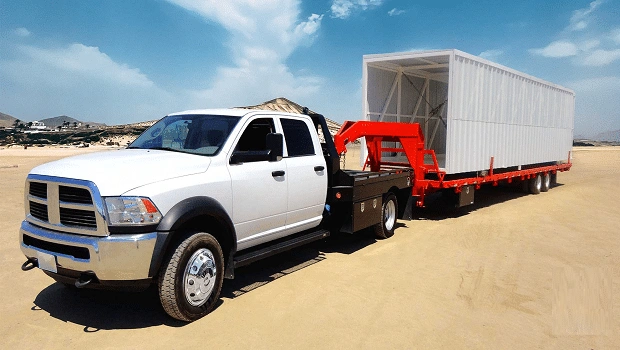
Many hotshot operations rely on one-ton pickup trucks paired with flatbed trailers. This setup allows drivers to transport smaller loads quickly without the scheduling limitations often associated with larger commercial freight networks.
A common example involves construction companies working on active job sites. If a critical machine component fails unexpectedly, waiting several days for traditional freight may halt work entirely. A dispatcher can identify a nearby driver, secure the load, and coordinate direct delivery to the project location.
This ability to react quickly makes hotshot freight a practical solution for industries where downtime carries significant financial consequences.
Regional Demand for Hotshot Dispatch Service in Texas
Texas remains one of the busiest freight markets in the United States. The state’s strong presence in energy, manufacturing, construction, and agriculture creates consistent demand for expedited transportation.
A hotshot dispatch service in Texas often manages freight moving between major hubs such as Houston, Dallas, Fort Worth, Austin, San Antonio, Midland, and Odessa. Oilfield operations, in particular, frequently require urgent deliveries of equipment, tools, and replacement parts.
Because many industrial sites operate continuously, dispatchers must coordinate shipments outside traditional business hours. This requires familiarity with regional freight patterns, available carriers, and delivery requirements.
For example, an oilfield supplier may need specialized components delivered from Houston to West Texas on short notice. Efficient dispatch coordination helps ensure the shipment reaches its destination without unnecessary delays, reducing operational interruptions.
The scale of Texas freight activity makes experienced dispatch management especially valuable for both independent owner-operators and small carrier fleets.
The Growing Importance of Hotshot Dispatch Services in Florida
Florida presents a different freight environment but similar demand for expedited transportation. Construction growth, tourism-related infrastructure projects, healthcare logistics, and regional distribution networks all contribute to the need for rapid freight movement.
Many hotshot dispatch services in Florida support deliveries between major cities such as Miami, Tampa, Orlando, Jacksonville, and Fort Lauderdale. Seasonal demand fluctuations also create situations where businesses require flexible transportation solutions.
For instance, after severe weather events, construction materials and repair equipment may need immediate transportation to affected areas. Dispatchers play a critical role in identifying available drivers and coordinating urgent deliveries.
Florida’s diverse economy means dispatchers often handle a wide variety of freight types, ranging from commercial equipment and industrial parts to specialized materials needed for time-sensitive projects.
What to Look for in Hotshot Dispatch Companies
Not all hotshot dispatch companies operate the same way. While dispatching technology has improved significantly, experience and industry knowledge remain essential factors in successful freight coordination.
Reliable dispatch operations typically focus on:
- Strong broker and shipper relationships
- Knowledge of regional freight markets
- Effective communication practices
- Load planning efficiency
- Regulatory compliance awareness
- Real-time shipment tracking
- Problem-solving during unexpected disruptions
A dispatcher’s ability to anticipate challenges often determines whether a shipment stays on schedule. Traffic issues, weather conditions, appointment changes, and equipment concerns can all affect delivery timelines.
Companies such as EverMark Dispatchers operate within this broader dispatch ecosystem, helping connect carriers and freight opportunities while supporting efficient transportation workflows.
Regardless of the provider, the most effective dispatch services prioritize accurate communication and practical logistics planning rather than simply booking loads.
Technology’s Influence on Modern Hotshot Operations
Technology continues to reshape freight management across the transportation industry. Dispatchers now have access to load boards, GPS tracking systems, electronic documentation tools, and route optimization software that improve efficiency.
Real-time tracking helps dispatch teams monitor shipment progress and quickly respond when issues occur. Digital communication tools also reduce delays between brokers, drivers, and customers.
However, technology alone is not enough. Experienced dispatch professionals still play a crucial role in evaluating freight opportunities, managing customer expectations, and making informed decisions when conditions change.
The combination of industry expertise and modern technology creates a more reliable transportation process for both carriers and shippers.
Conclusion
As expedited freight demand continues to grow across the United States, hotshot dispatch remains a vital part of keeping urgent shipments moving efficiently. From coordinating drivers and managing schedules to solving real-time transportation challenges, dispatchers help ensure critical freight reaches its destination when timing matters most.
Whether supporting industrial deliveries in Texas, construction projects in Florida, or time-sensitive shipments across the country, professional dispatch coordination provides structure and reliability within a fast-moving segment of the freight industry. Understanding how these operations function offers valuable insight into the logistics systems that keep businesses running without unnecessary interruptions.