Key Takeaways (TL;DR)
- Eco-Friendly Hazard Removal: Professional wreckers safely extract toxic fluids (coolant, oil, fuel) to prevent local soil and water contamination.
- Landfill Reduction: Up to 85% of a vehicle’s weight is recycled, significantly reducing the volume of metal and plastic waste sent to Queensland landfills.
- Legal Compliance: Certified auto wreckers handle the official paperwork required for vehicle de-registration with the Department of Transport and Main Roads (TMR).
For residents in Brisbane, disposing of an old, damaged, or completely immobilized vehicle involves more than just getting it out of the driveway. Left abandoned or improperly dumped, end-of-life vehicles pose severe environmental hazards and can result in hefty local council fines.
Professional auto wreckers provide a critical, streamlined service that allows locals to dispose of unwanted cars quickly, safely, and responsibly. Here is how the process safeguards both the local community and the environment.
1. Safe Extraction of Hazardous Automotive Fluids
A stationary, deteriorating car is essentially a collection of hazardous chemicals waiting to leak. When left exposed to the elements, vehicle components rust through, allowing toxic fluids to seep into the ground.
Brisbane auto wreckers use specialized depollution bays to safely drain and capture:
- Engine oil and transmission fluids: Highly toxic to local flora and fauna.
- Lead-acid battery components: Highly corrosive and harmful if leaked into urban drainage systems.
- Refrigerant gases (Freon): Damaging to the ozone layer if allowed to vent into the atmosphere.
By capturing these fluids at the point of collection, wreckers prevent them from entering local water tables and reaching the Brisbane River.
2. Maximizing Scrap Metal Recycling and Component Reuse
Vehicles are highly sustainable consumer products when processed correctly. Rather than letting thousands of kilograms of steel go to waste, auto wreckers dismantle cars systematically.
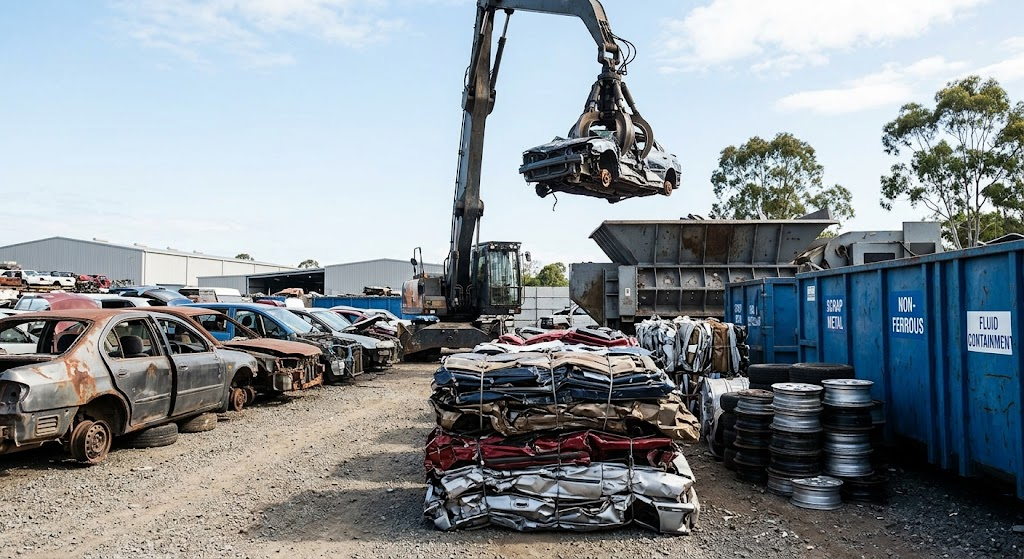
First, working parts like alternators, tires, and doors are salvaged for the local secondhand auto parts market. Once the vehicle is stripped of its usable components, the remaining metal shell is compressed and sent to local industrial shredders. This scrap metal is melted down and repurposed into new steel, heavily reducing the carbon footprint associated with manufacturing raw iron ore.
3. Simplifying Legal Paperwork and TMR Compliance
Disposing of a vehicle in Queensland requires adhering to specific regulations managed by the Department of Transport and Main Roads (TMR). Failing to properly de-register a vehicle or return its number plates can lead to ongoing registration fees or liability issues if the vehicle is mishandled.
Established wreckers guide vehicle owners through the paperwork trail. They ensure that plates are removed correctly for return to a TMR customer service center and provide a official receipt or certificate of destruction, freeing the original owner from future liabilities.
4. Free Towing and Logistic Solutions
One of the largest hurdles for locals looking to get rid of a junk vehicle is transportation. Towing an unregistered or broken-down car across the city can cost hundreds of dollars out of pocket.
Most professional wrecking services eliminate this barrier by offering free vehicle removal as part of their service package. Whether a vehicle is stuck in a suburban garage or a rural property on the outskirts of the city, utilizing a professional team of Brisbane car wreckers ensures the car is safely loaded, secured, and transported without damaging local infrastructure or blocking residential roads.
Frequently Asked Questions
Is it legal to leave an abandoned car on my property in Brisbane?
While you can keep vehicles on your private property, local Brisbane City Council ordinances regulate “unsightly accumulations” of objects. If a vehicle is deemed a health or safety hazard (due to leaking fluids or vermin), property owners can face notices or fines.
What documents do I need to scrap a car in Brisbane?
To safely and legally sell a car to a wrecker, you generally need to provide proof of ownership (such as a registration certificate or a clear bill of sale) and a valid photo ID (like a Queensland Driver License) to combat illegal vehicle trading.
Can a car be recycled if it has been damaged in a major accident?
Yes. Even if a vehicle is completely written off or structurally crushed in an accident, its base materials still retain substantial value. Wreckers will bypass the component-salvage stage and process the vehicle directly for its scrap metal weight.