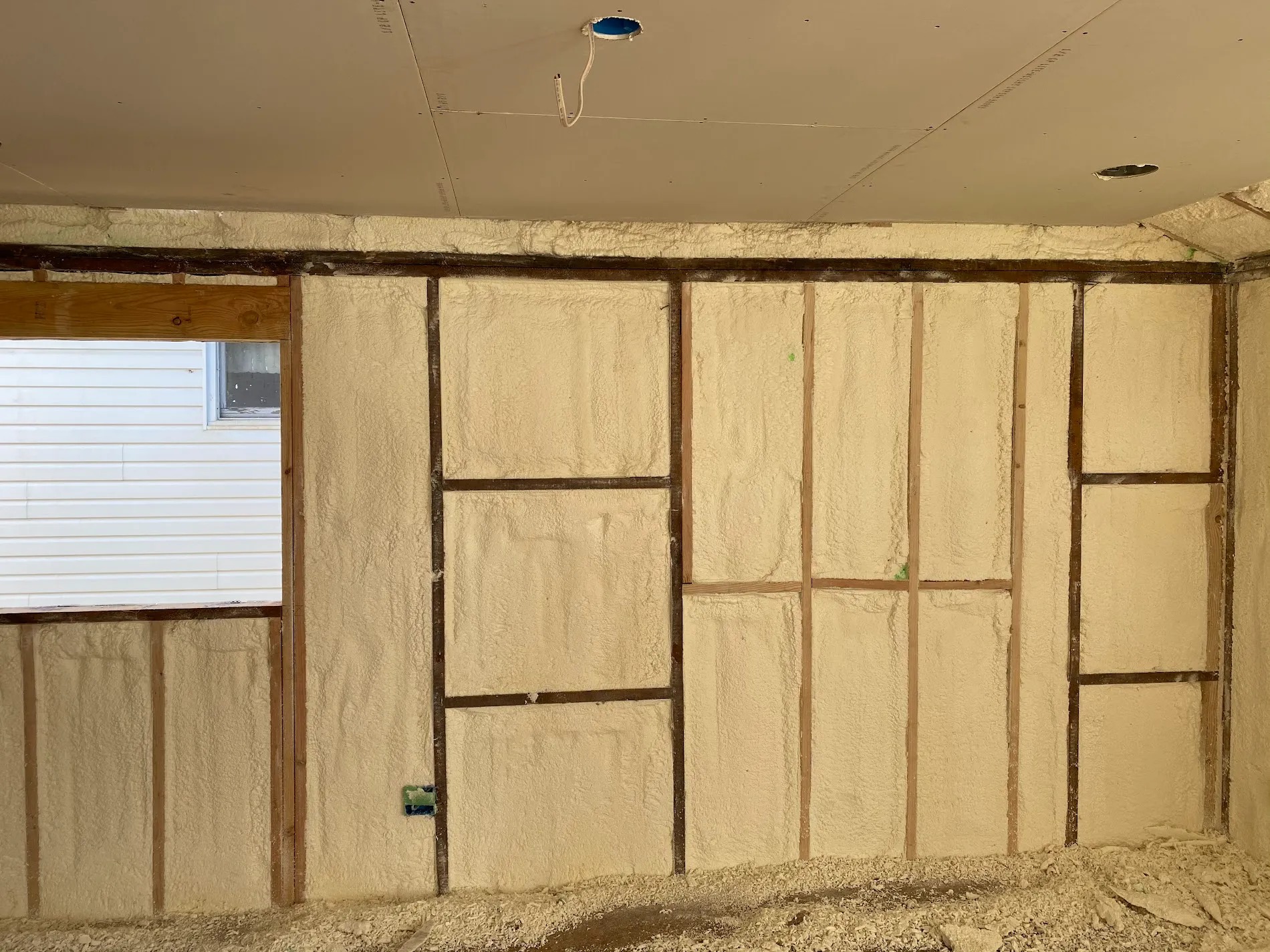
Closed-cell insulation provides a significant boost to a building’s physical strength by acting as a rigid adhesive within the wall cavities. When applied, this material hardens into a dense state that increases the racking strength of walls, helping structures resist wind and shearing forces. This added closed-cell spray foam structural strength is particularly effective in areas prone to high winds or heavy snow loads.
This guide explains how high-density foam applications support the longevity and stability of modern residential and commercial builds. It offers a clear look at why builders often choose this material for projects that require more than just thermal resistance. You will learn about the mechanical advantages and long-term benefits of integrating these systems into your construction plans.
Experienced contractors understand that the bones of a building are only as strong as the materials connecting them. Using high-density spray applications provides a secondary layer of protection that stabilizes the entire frame. This information is based on industry standards for high-performance building envelopes and structural engineering principles.
1. Why High-Density Insulation Matters for Structural Support
The density of insulation impacts how much support it provides to the surrounding framing. Closed-cell foam is much heavier and more rigid than its open-cell counterpart or traditional fiberglass batts. This rigidity allows it to bond tightly to studs and sheathing, creating a monolithic barrier.
Because the foam fills every gap and then hardens, it prevents the framing from shifting or twisting over time. This is especially helpful in older homes where the wood may have slightly settled or warped. By filling the gaps, the foam creates a unified structure that moves as a single unit.
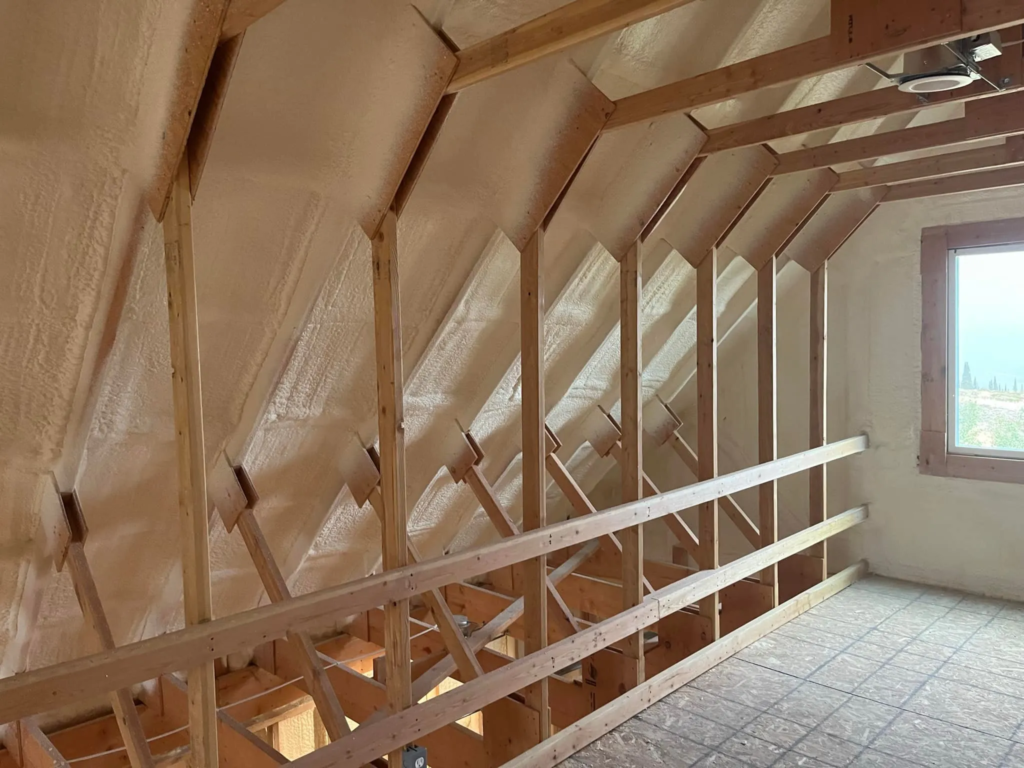
Building professionals often recommend this for vaulted ceilings or long wall spans where extra stiffness is required. It helps minimize the natural “bounce” in some floors and stiffens the exterior shell against external pressures.
2. Does closed-cell spray foam add structural strength to walls?
The short answer is yes; it can increase the racking strength of a wall by up to 300 percent. Racking strength refers to a wall’s ability to resist horizontal forces, such as those caused by strong winds or seismic activity. Without this support, walls can tilt or “rack,” leading to cracks in drywall or siding.
When a professional performs a spray foam insulation installation, they are essentially adding a structural adhesive to the building. The foam sticks to the studs and the exterior sheathing simultaneously. This bond creates a reinforced panel that is much harder to distort than a wall filled with loose-fill materials.
3. Comparing Material Properties and Mechanical Benefits
Understanding the properties of closed-cell spray foam insulation helps explain its mechanical advantages. It has a high compressive strength, meaning it can withstand a great deal of weight without collapsing or deforming. This makes it an ideal choice for insulating crawl spaces or under-slab areas.
| Feature | Closed-Cell Spray Foam | Traditional Fiberglass |
|---|---|---|
| R-Value per Inch | 6.0 to 7.0 | 2.2 to 3.8 |
| Structural Rigidity | High (Acts as glue) | None |
| Air Permeability | Impermeable (Air barrier) | Highly Permeable |
| Water Resistance | Waterproof / Rejects Water | Absorbs and holds water |
| Lifespan | Lifetime of the building | Can sag or settle |
Mechanical Load Distribution
The foam helps distribute loads more evenly across the building’s frame; instead of the weight resting solely on individual nails and fasteners, the foam shares the burden. This reduces the stress on mechanical connections and helps prevent the “creaking” often heard during windstorms.
4. Protection Against Environmental Stressors
Structures in cold climates or coastal areas face unique challenges from environmental forces. High winds can create pressure differentials that pull on the exterior of a home. The closed-cell spray foam structural strength acts as a buffer, keeping the siding and sheathing firmly attached to the studs.
- It prevents moisture from weakening wooden studs through rot.
- The material does not sag or settle over time like blown-in cellulose.
- It creates a flood-resistant barrier that stays intact even when exposed to water.
- The rigid structure discourages pests from nesting within the walls.
Bonus Tips for Extreme Weather
If you live in a high-wind zone, ask your installer to focus on the “wall-to-roof” connections. Applying foam at these junctions can help prevent roof uplift during storms.
5. Identifying the Right Time for Installation
Timing is critical when you want to maximize the benefits of a reinforced building envelope. Ideally, the foam should be applied after all electrical and plumbing “rough-ins” are completed but before the drywall is installed. This ensures the foam can bond directly to the structural components without being disturbed later.
Additional Information on Application
It is important to ensure the wood moisture content is below 19 percent before application. This ensures the strongest possible bond between the foam and the lumber.
6. Important Considerations Before Starting Your Project
Before you decide on a specific insulation type, you need to evaluate the specific needs of your property. Not every building requires the intense rigidity of closed-cell foam, and your budget may influence the choice.
- Weight of the Material: While it adds strength, it also adds a small amount of weight to the frame.
- Accessibility: Once the foam is in place, it is very difficult to move or change wiring inside the walls.
- Cost vs. Value: This material typically has a higher upfront cost but offers better energy savings and durability.
- Expansion Space: The foam expands rapidly, so installers must be careful around windows and doors to avoid bowing the frames.
Bonus Tips for Renovations
If you are retrofitting an old barn or garage, using this foam can often save the structure from needing expensive new framing by “locking” the existing wood in place.
7. How Professionals Execute a Quality Installation
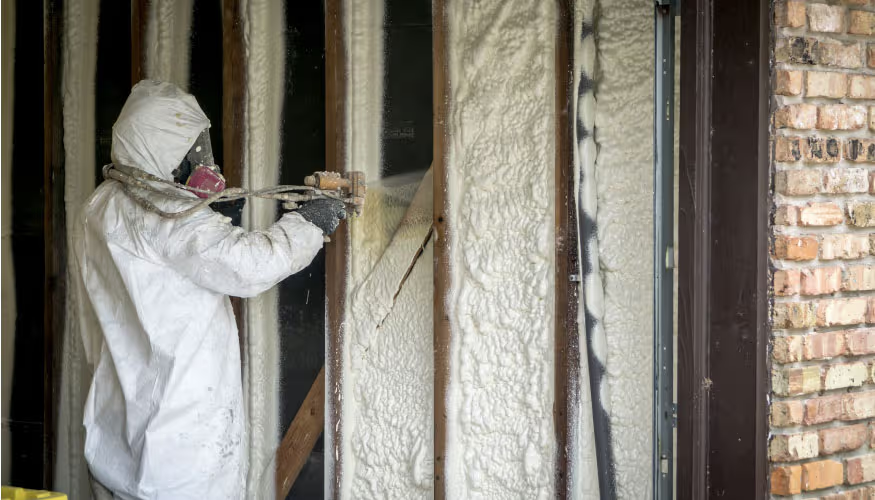
A successful spray foam insulation installation depends heavily on temperature and mix ratios. The two chemical components must be heated to specific levels to react correctly. If the mix is incorrect, the foam may not reach its full density or bonding potential.
Professional crews use specialized spray guns and high-pressure hoses to apply the material in thin layers called “passes.” Each pass is allowed to cool slightly before the next one is added. This layering process is what builds the thickness and the resulting closed-cell spray foam structural strength that protects the home.
8. Long-Term Durability and Maintenance
One of the best things about high-density foam is that it is essentially a permanent solution. It does not degrade, off-gas significantly after the initial cure, or lose its shape. You won’t have to worry about the insulation falling inside the walls ten years from now.
Because it also acts as a vapor barrier, it protects the building from the inside out. It prevents warm, moist air from hitting cold surfaces and causing condensation. This keeps the internal structure dry, which is the most effective way to maintain long-term integrity.
9. Reach Out for Professional Building Solutions in High Country
If you are looking to improve the durability of your home or commercial property, seeking expert advice is the best first step. To ensure you receive the maximum structural benefits, it is helpful to work with experienced teams who understand regional climate challenges. High Country Solutions offers specialized services for those needing high-performance insulation in demanding environments.
You can contact them at [email protected] or call (307) 248-9063 to discuss your project requirements.
10. Frequently Asked Questions About Structural Foam
Does closed-cell foam make a house too airtight?
It does make a house very airtight, which is excellent for energy bills. However, you should ensure your HVAC professional includes proper mechanical ventilation to keep the indoor air fresh.
Can this foam be used on existing homes?
Yes, it is often used during major renovations when the walls are open. For closed walls, other injection methods might be required, but spraying directly onto the studs is the most effective way to add strength.
Is the foam fire-resistant?
Most modern foams contain flame retardants. While they are not “fireproof,” they are designed to meet strict building codes for fire safety and do not easily ignite.
How long does the installation take?
For an average-sized home, the spray process usually takes one to two days. You will typically need to stay out of the house for 24 hours while the material fully cures.
Does it help with soundproofing?
While it does block some sound by sealing air gaps, its rigid nature can actually transmit some vibrations. Open-cell foam is generally better for pure sound dampening, while closed-cell is better for strength.
11. Final Thoughts on Building Stability
Investing in high-quality materials is the most reliable way to ensure a building lasts for generations. While many people think of insulation only in terms of temperature, its ability to reinforce the frame is a major advantage. By choosing dense, rigid foam, you are essentially “armoring” your home against the elements.
Evaluate your local climate and the specific stresses your building will face. If you are in an area with high winds or shifting soil, the added stability of this application is a wise choice. Always consult with a professional to ensure the application meets local codes and fits your structural needs.