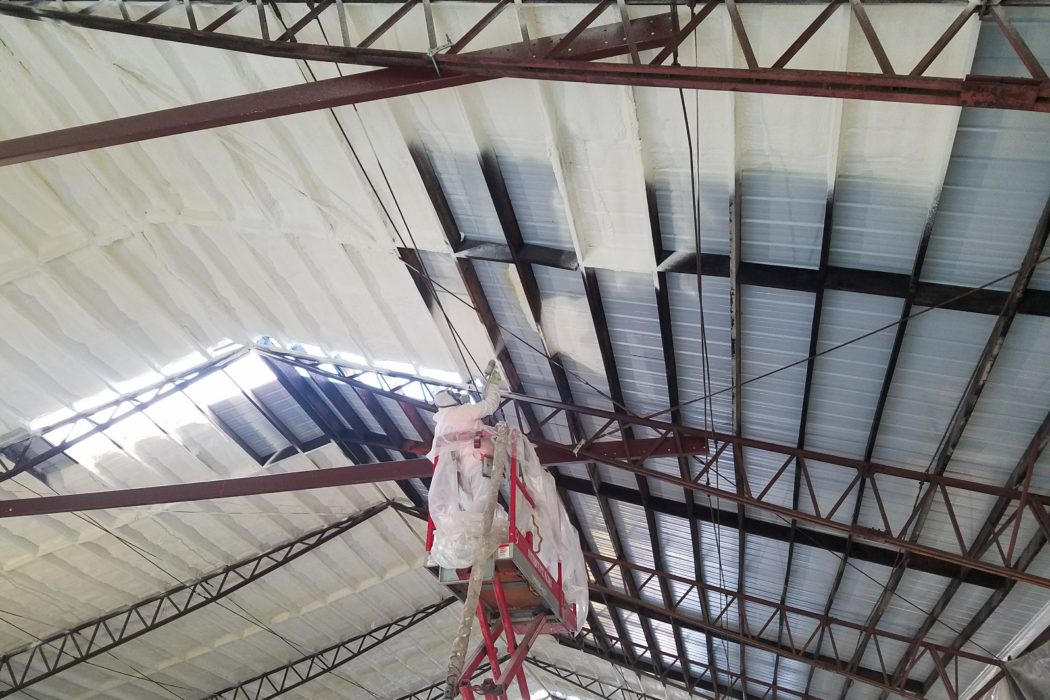
Commercial spray foam insulation reduces heating and cooling costs by creating a complete air seal that prevents conditioned air from escaping and outside air from entering. Unlike traditional materials, it expands to fill every crack and gap in the building envelope, addressing the primary cause of energy loss in large structures. You can expect to see an immediate drop in your monthly utility bills because your HVAC system no longer has to work overtime to compensate for air leaks.
This article provides a detailed look at how modern insulation technology helps stabilize indoor temperatures and protect your bottom line. Experts with years of field experience in large-scale energy-efficiency projects have verified these methods to maximize thermal performance. By the end of this guide, you will understand the practical steps to lower your building overhead through better thermal management.
How Does Air Sealing Reduce Your Monthly Energy Bills?
Air leakage accounts for nearly 40% of a building’s energy loss. Commercial spray foam insulation solves this by acting as both an insulation layer and an air barrier. This dual function is what sets it apart from fiberglass or cellulose.
When a commercial insulation contractor applies the foam, it starts as a liquid and expands into a solid. This expansion fills the tiny voids around pipes, electrical conduits, and structural joints that other materials miss.
- Stops drafts in hard-to-reach areas, such as rim joists and wall headers.
- Reduces the load on furnace and air conditioning motors.
- Extends the lifespan of expensive HVAC equipment.
- Creates a consistent temperature from the ground floor to the top level.
Improving Thermal Resistance with High R-Value Materials
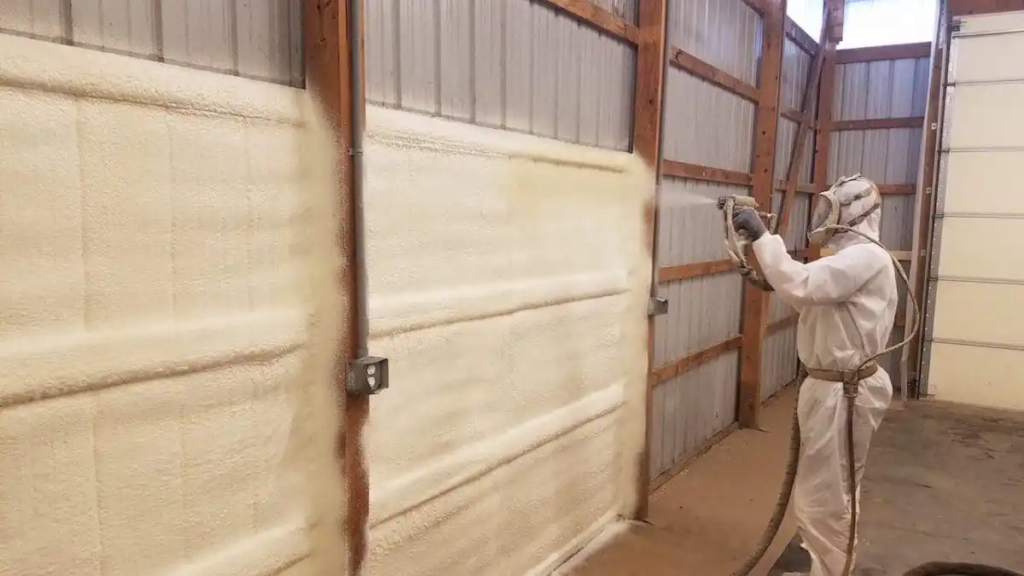
The R-value measures how well a material resists heat flow. Commercial spray foam insulation typically offers a higher R-value per inch than traditional batts. This means you can achieve better thermal protection in thinner wall cavities.
For businesses operating in climates with extreme temperature swings, this high performance is a game-changer. It keeps the summer heat out and the winter warmth in, ensuring your staff and customers remain comfortable regardless of the weather outside.
The Science of Density and Heat Retention
High-density foam provides a superior barrier against conductive heat transfer. By installing this material, you ensure that the energy you pay for stays inside the building.
Eliminating Thermal Bridging in Metal Structures
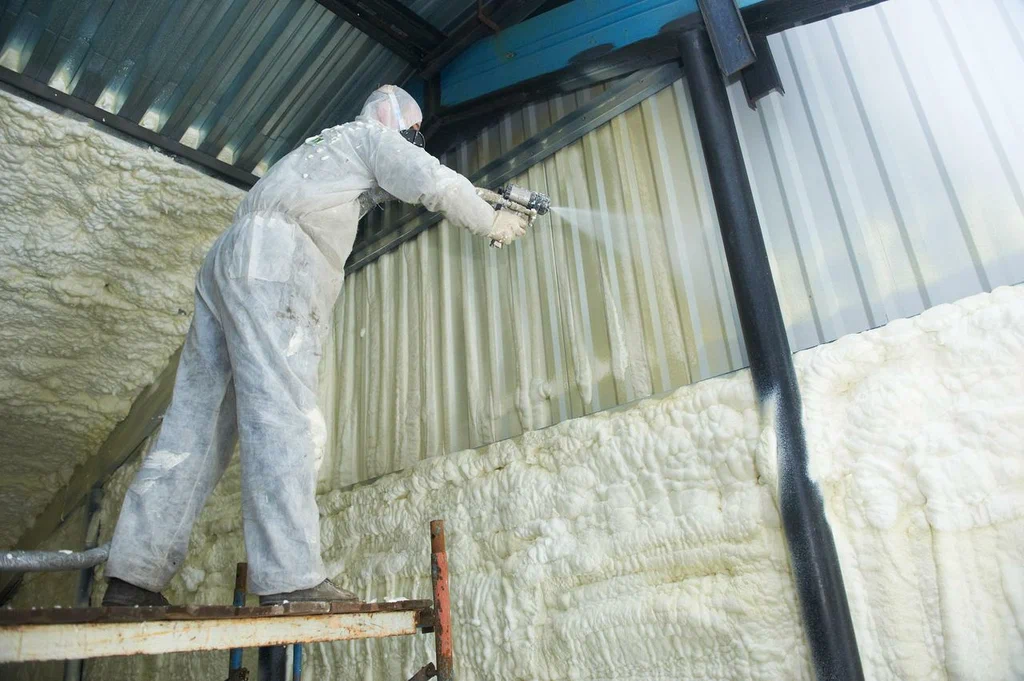
Commercial buildings with steel frames often suffer from thermal bridging, in which heat bypasses insulation through the steel framing. Spray foam coats these surfaces entirely, breaking that bridge and saving energy.
Selecting the Right Type of Commercial Building Insulation
Not all spaces require the same treatment. Choosing the right commercial building insulation depends on whether you need structural support, moisture control, or sound dampening. Professional installers evaluate the specific needs of your facility before recommending a product.
| Feature | Open-Cell Spray Foam | Closed-Cell Spray Foam |
|---|---|---|
| Density | Low (0.5 lb/cu. ft.) | High (2.0 lb/cu. ft.) |
| R-Value | ~3.5 per inch | ~6.5+ per inch |
| Air Barrier | Yes | Yes |
| Vapor Barrier | No | Yes |
| Best Use | Interior walls, soundproofing | Exterior walls, roofing, and basements |
Bonus Tip: If your building is in a flood-prone area or faces high humidity, closed-cell foam is the better choice. It does not absorb water and can help reject bulk moisture.
Managing Moisture and Preventing Costly Mold Growth
Moisture is the enemy of any structural foundation. When you hire a professional foam insulation company, they focus on more than just temperature. They look at how water vapor moves through your building.
Properly installed foam prevents condensation from forming on the inside of your walls. This protection saves you money on future repairs by stopping wood rot and mold growth before they start.
Controlling Humidity in Large Interior Volumes
By sealing the envelope, you make it easier for your HVAC system to dehumidify the air. This results in a crisper, more comfortable environment for employees and clients alike.
Preventing Structural Damage from Condensation
In cold climates, warm indoor air hitting a cold outer shell creates water droplets. Spray foam moves the dew point outside the wall assembly, keeping your structural components dry.
Why Professional Commercial Insulation Services Save You More
While the material itself is powerful, the installation determines the results. Expert commercial insulation services ensure the chemical mix is exact and the application thickness is uniform across thousands of square feet.
A specialized team understands the local building codes and fire safety regulations. They ensure that the commercial spray foam insulation is applied safely around heat sources and electrical boxes, keeping your property compliant and secure.
- Professional equipment ensures the foam cures correctly for maximum strength.
- Installers can identify hidden air leaks using thermal imaging cameras.
- Expert application prevents the foam from “shrinking” or “pulling” over time.
- Certified teams finish the job faster, minimizing downtime for your business.
Things to Evaluate Before Your Insulation Upgrade
Before you commit to a project, look at the current state of your facility. A thorough audit can help you prioritize the areas that need the most attention to achieve the fastest return on investment.
Assess Current Energy Consumption Patterns
Review your last twelve months of utility bills to find seasonal peaks. This data helps identify if your cooling or heating system is the primary drain on your budget.
Inspect the Existing Building Envelope
Check for existing moisture damage in the attic or crawl space. You must also determine if you need soundproofing between offices or manufacturing floors before the application begins.
Bonus Tip: Ask your tax professional about energy efficiency credits. Many commercial upgrades qualify for federal or state incentives that can offset the initial installation cost.
How Does This Investment Impact Your Long-Term Property Value?
Upgrading to commercial spray foam insulation is an investment that pays for itself over time. Beyond the monthly energy savings, it adds structural integrity to the building. Closed-cell foam, in particular, can increase the racking strength of your walls.
Future buyers or tenants look for low operating costs. A building that is cheap to heat and cool is much more attractive on the market than one with outdated, drafty insulation.
- Increases the resale value of the commercial property.
- Attracts higher-quality tenants who want lower overhead costs.
- Reduces the frequency of HVAC maintenance and replacements.
- Contributes to “green” building certifications like LEED.
Getting Help with Professional Commercial Energy Solutions and Free Quotes
If you want to lower your overhead and improve your indoor environment, seeking professional advice is the best first step. Peak Spray Foam provides expert guidance for businesses looking to optimize their thermal performance. Their team focuses on delivering high-quality results for warehouses, offices, and retail spaces. You can reach out to them at (612) 482-4742 or email [email protected] to discuss your specific project needs. They offer a range of services, including air sealing and moisture control, to ensure your building operates at peak efficiency. Requesting a free quote allows you to plan your budget accurately and see exactly how much you could save on future energy costs.
Summary of Benefits for Your Facility
Improving your building’s insulation with high-quality materials is a direct way to control rising operational costs. By creating a permanent air seal, you stop the waste of conditioned air and protect your interior from moisture and pests. This leads to a more comfortable workspace and significantly lower utility bills. Evaluate your current energy usage and consider how a modern thermal barrier can improve your long-term financial outlook. Moving toward an energy-efficient envelope is a smart move for any property owner looking to stay competitive.
Common Questions About Commercial Energy Upgrades
How long does it take for the insulation to pay for itself?
Most businesses see a return on investment within three to five years through energy savings alone. This doesn’t include the added value of extended HVAC life or increased property value.
Can the installation happen during normal business hours?
It depends on the size of the area, but many providers offer flexible scheduling. Because the foam needs time to cure and off-gas, some projects are best handled over weekends or after hours.
Does spray foam insulation help with pest control?
Yes, by sealing the gaps and cracks that insects and rodents use to enter. Unlike fiberglass, spray foam is not a food source and doesn’t provide nesting material for pests.
Is spray foam safe for all types of commercial roofs?
It is compatible with most materials, including metal and wood. However, a professional must inspect the roof deck to ensure it is dry and structurally sound before application.
What is the typical lifespan of foam insulation?
When installed correctly, it is designed to last the life of the building. It does not sag, settle, or lose its R-value over time like traditional batt or blown-in products.