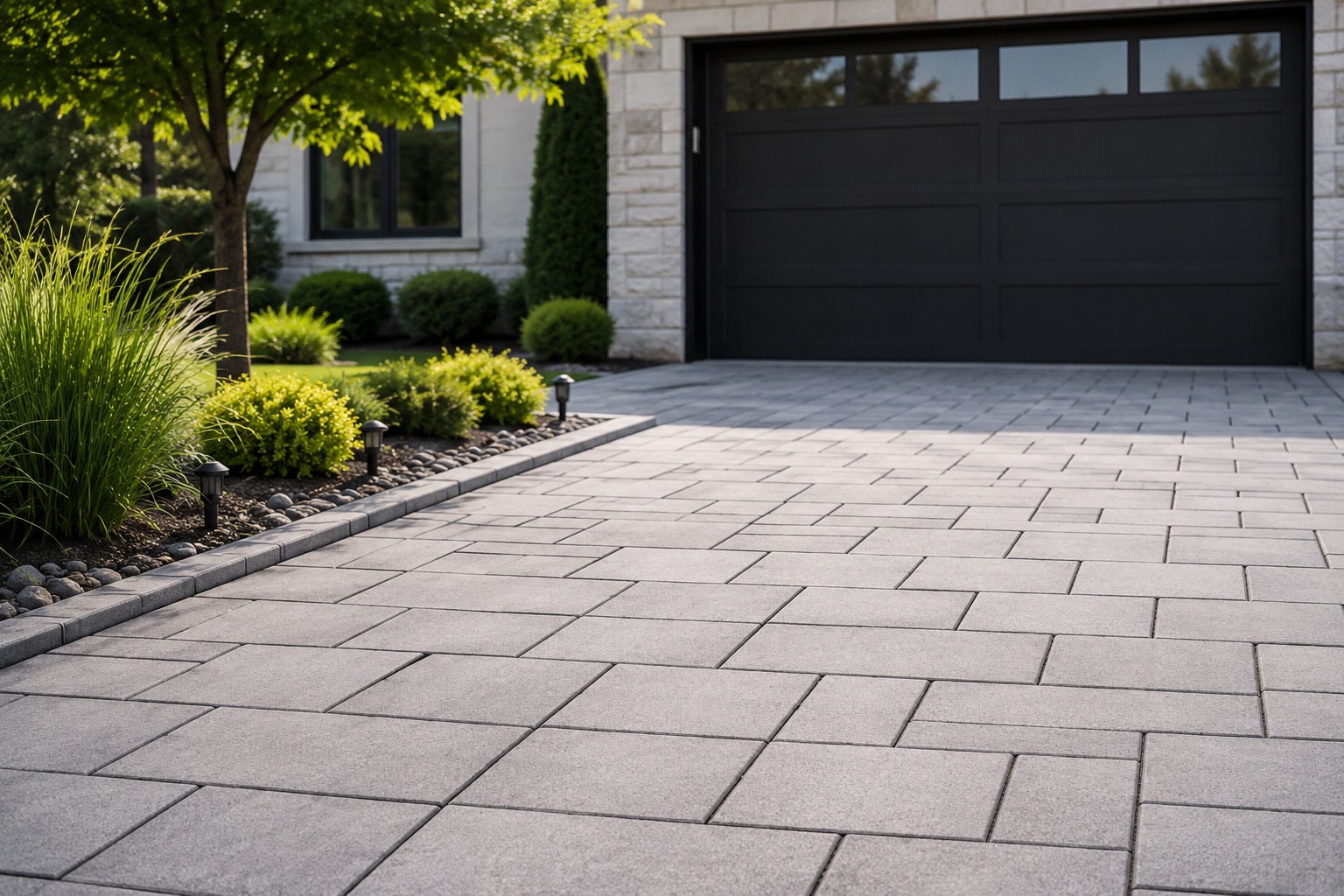
A driveway is exposed to constant stress from vehicles, foot traffic, weather conditions, and natural ground movement. Over time, many driveway surfaces develop cracks, uneven sections, or visible wear that affect both appearance and functionality. These issues often lead to ongoing repairs and maintenance costs. This is one reason many homeowners choose Concrete Driveway Pavers as an alternative to traditional driveway surfaces.
Unlike a single poured concrete slab, concrete pavers are installed as individual units that work together to create a strong and flexible surface. This design helps reduce the risk of cracking and surface damage while providing long-term durability. Understanding how concrete pavers perform can help homeowners make a more informed decision when planning a new driveway.
Why Driveways Develop Cracks and Surface Damage
Most driveway damage occurs because surfaces are constantly exposed to pressure and environmental changes. Even well-constructed driveways can experience wear over time.
Common causes of driveway damage include:
- Ground movement and soil settlement
- Heavy vehicle loads
- Temperature fluctuations
- Poor drainage
- Water infiltration
- Natural ageing of materials
Traditional concrete slabs are particularly vulnerable because they form one large continuous surface. When movement occurs in one area, the stress can spread throughout the slab and result in visible cracking.
The Flexible Design of Concrete Driveway Pavers
One of the key advantages of concrete pavers is their modular design. Instead of relying on a single slab, the driveway is constructed using individual paving units installed over a prepared base.
This design allows the surface to respond more effectively to minor ground movement and changing conditions. Each paver can accommodate small shifts without creating the large structural cracks often associated with poured concrete.
The flexibility of the system helps maintain both the appearance and performance of the driveway over time.
Also read: Concrete Driveway Pavers: Types, Benefits & Installation Guide
How Pavers Reduce the Risk of Cracking
Cracking is one of the most common concerns for homeowners investing in a new driveway. Concrete pavers help address this issue in several ways.
Independent Movement
Because each paver is installed separately, slight ground movement can be absorbed across multiple units rather than concentrating pressure in one location.
Even Load Distribution
Pavers work together to distribute vehicle weight across the surface. This helps reduce stress on individual areas and minimises the likelihood of structural damage.
Strong Base Support
A properly prepared base provides stability beneath the pavers. The combination of a compacted foundation and interlocking pavers creates a durable surface capable of handling everyday traffic.
These factors contribute to a driveway that remains more resistant to cracking than many traditional alternatives.
Protection Against Surface Damage
Cracks are not the only issue homeowners face. Surface damage can also affect the appearance and functionality of a driveway.
Common forms of surface damage include:
- Chipping
- Surface wear
- Minor sinking
- Staining
- Edge deterioration
Concrete pavers help reduce these issues because individual units can withstand significant pressure without affecting the surrounding surface. If damage occurs, repairs are usually limited to a small section rather than the entire driveway.
This makes maintenance more manageable and often more affordable.
Easier Repairs When Problems Occur
No outdoor surface is completely immune to wear over time. However, one of the biggest advantages of pavers is the ability to perform localised repairs.
If a section becomes damaged, individual pavers can typically be removed and replaced without disturbing the rest of the driveway. This differs from traditional concrete slabs, where even small cracks often require patching or larger repair work.
The ability to replace individual units helps preserve the appearance of the driveway while reducing long-term maintenance costs.
Better Performance in Changing Weather Conditions
Driveways are constantly exposed to weather changes. Heat, rain, and seasonal temperature fluctuations can all affect surface performance.
Concrete pavers perform well because their segmented design allows for natural expansion and contraction. Rather than forcing movement into one large slab, the paver system accommodates these changes more effectively.
For homeowners in Melbourne, where weather conditions can change significantly throughout the year, this adaptability is an important advantage.
Improved Drainage and Surface Stability
Poor drainage is another factor that contributes to driveway deterioration. Water that collects beneath or around a driveway can weaken the foundation and increase the risk of movement.
Many paver systems allow water to move through joints and away from the surface more effectively than traditional concrete slabs. Combined with proper installation and drainage planning, this helps maintain long-term stability.
A stable foundation is essential for preventing both cracking and surface damage over time.
Long-Term Value for Homeowners
A driveway is a long-term investment, so durability matters. Homeowners increasingly look for materials that offer lasting performance while reducing future maintenance concerns.
In the middle of many driveway upgrade projects, Concrete Driveway Pavers stand out because they combine durability, flexibility, and repair convenience. Their ability to resist cracking and surface damage often leads to lower maintenance requirements over the lifespan of the driveway.
This combination of practicality and reliability contributes to strong long-term value.
Meeting Modern Homeowner Expectations
Today’s homeowners expect outdoor surfaces to do more than simply function. A driveway should remain attractive, perform well under daily use, and require minimal ongoing maintenance.
Concrete pavers meet these expectations by offering:
- Long-lasting durability
- Flexible performance
- Easy repairs
- Attractive design options
- Reliable surface stability
These benefits make them a popular choice for modern residential properties.
Sustainability and Thoughtful Planning
Choosing durable materials supports more responsible long-term property improvements. A driveway that lasts longer and requires fewer major repairs generates less waste over time.
The ability to replace individual pavers rather than reconstruct entire sections also contributes to a more sustainable maintenance approach. This allows homeowners to preserve their driveway while reducing unnecessary material replacement.
Thoughtful planning at the beginning often results in better long-term outcomes for both the property and the environment.
Conclusion
Cracks and surface damage are common concerns for homeowners, but the right driveway material can help reduce these risks significantly. Concrete Driveway Pavers provide a durable and flexible solution that accommodates ground movement, improves load distribution, and simplifies future repairs.
At YMC Concreting, we help homeowners create durable driveway solutions that are designed for long-term performance, helping reduce maintenance concerns while enhancing the appearance and functionality of outdoor spaces.