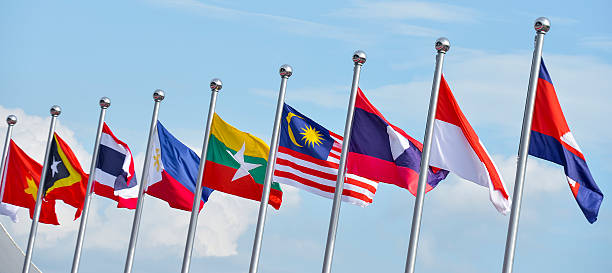
Flags are more than just national identifiers fluttering in the wind; they’re living stories stitched into fabric. Across continents, they carry emotions, history, and identity in ways that words sometimes can’t fully capture. In Asia especially, these symbols reflect centuries of tradition mixed with modern identity shifts. From mountain kingdoms to island nations, each design carries meaning that feels both personal and collective. It’s honestly fascinating how much depth sits behind such simple visuals.
Historical Roots of Symbolism
Across the continent, flag design has always been closely tied to cultural identity and historical evolution when exploring flags of Asia in detail. Ancient kingdoms, colonial influences, and independence movements all shaped how nations expressed themselves visually. These symbols didn’t just appear overnight; they grew out of struggle, pride, and transformation.
Many nations carefully selected colors and emblems to reflect unity and resilience, often drawing inspiration from cultural heritage and long-standing traditions. These choices were rarely random; instead, they were deeply intentional expressions of national values. In this context, flags stand as powerful representations of identity shaped through centuries of political change, spiritual beliefs, and regional storytelling.
Cultural Diversity in Design
One of the most striking things about flag design across Asia is how wildly different yet beautifully connected they are. Some nations lean heavily on religious symbolism, while others focus on nature, geography, or historical legacy. This diversity reflects the immense cultural richness spread across the region.
From simple tricolors to complex emblems, each design tells a different story about national pride and collective memory. The use of color often reflects deeper meanings tied to cultural traditions and shared values. Honestly, once you start noticing these patterns, it becomes impossible to unsee the layers of meaning woven into every flag.
Cultural Spectrum Overview
The idea of Asian national flags highlights just how broad and dynamic regional representation can be. Countries like Japan use minimalism to express clarity and purity, while others like Nepal use unique shapes to stand apart from the global norm. It’s a mix of tradition, spirituality, and identity all rolled into one visual identity.
In many cases, religious and philosophical influences strongly guide design choices, shaping how nations present themselves to the world. Cultural storytelling plays a huge role here, with symbols representing everything from prosperity to protection. This makes the study of these flags not just educational but genuinely eye-opening for anyone curious about regional diversity.
Regional Identity Through Symbols
Moving deeper into the subject, flags often act as mirrors of regional identity and shared cultural values when looking at Asian flags across different nations. In Asia, geography plays a huge role in shaping these designs; think mountains, rivers, suns, and stars all appearing as recurring motifs. These elements connect people not just to their nation but to their environment as well.
Another key aspect is how traditional beliefs influence symbolism, reinforcing cultural continuity across generations. Whether it’s through color psychology or ancient emblems, these visual elements help preserve a sense of belonging. Over time, they become more than just symbols; they turn into emotional anchors for entire populations.
Modern Interpretations Today
In today’s fast-moving world, flags continue to evolve in meaning without losing their historical roots. Digital media, global events, and international collaborations have all reshaped how people interact with these symbols. Yet, despite modernization, the core identity remains firmly intact.
You’ll often see flags being used in fashion, art, and online communities, giving them new life in unexpected places. This modern reinterpretation doesn’t erase tradition; instead, it enhances it, allowing younger generations to connect with cultural identity in fresh and exciting ways.
Educational Value Today
Flags continue to play a strong role in modern education systems, helping students understand geography, history, and cultural diversity in a more visual and engaging way. Teachers often use these symbols to explain how nations developed their identities over time. This makes learning feel less like memorization and more like storytelling, which students usually find easier to connect with. In many classrooms, flags also spark curiosity about traditions, languages, and historical events.
Beyond schools, digital platforms and museums are also using flags as interactive learning tools. These resources allow users to explore meanings, compare designs, and discover cultural connections across countries. As a result, flags have become a bridge between traditional education and modern learning methods. This shift has made global awareness more accessible to people of all ages, especially younger audiences who prefer visual learning.
Global Unity Symbols
Flags also act as powerful symbols of unity in international events, where countries come together despite their differences. Whether it’s sports competitions, cultural festivals, or diplomatic gatherings, these symbols help represent national identity on a shared global stage. They create a sense of belonging while still highlighting diversity among nations.
In addition, flags encourage respect and understanding between cultures. When people see different designs and meanings side by side, it becomes easier to appreciate how diverse the world truly is. This visual representation of unity in diversity strengthens global connections and promotes peaceful interaction among nations.
Conclusion of Cultural Insight
All in all, flags remain powerful storytellers that bridge history, culture, and identity across generations. They remind us where nations come from and hint at where they’re headed in the future. Their meanings continue to inspire curiosity and pride worldwide. Platforms like Flag Arcade make exploring these cultural narratives engaging, interactive, and truly memorable. They also encourage learners to connect more deeply with global heritage through simple yet meaningful visual symbols.