Insulation Specialists in Klamath Falls diagnose energy loss by using thermal imaging cameras, blower door tests, and physical inspections of a home’s envelope. These experts look for air leaks around windows, thin layers of material in the attic, and gaps in crawl space seals that allow heat to escape. By measuring the temperature differences between the interior and exterior, they can identify exactly where a home is losing money.
This guide details the steps professionals take to find efficiency gaps in a property. It explains the technology used to see through walls and the physical signs of heat escape. Industry experts use these methods to ensure a home remains comfortable during the freezing winters and hot summers typical of the high desert climate.
The Standard Diagnostic Process for Energy Audits
When a professional arrives at a home, they start with a thorough walkthrough to identify obvious trouble spots. They check the age of current materials and look for signs of wear such as settling or compression. This initial check helps them understand which areas need the most attention during more technical tests.
A thorough physical inspection often reveals issues that machines might overlook. They examine the perimeter of a foundation and the peaks of a roof for structural gaps. This step is a standard part of professional insulation services designed to catch basic maintenance needs before they become expensive problems.
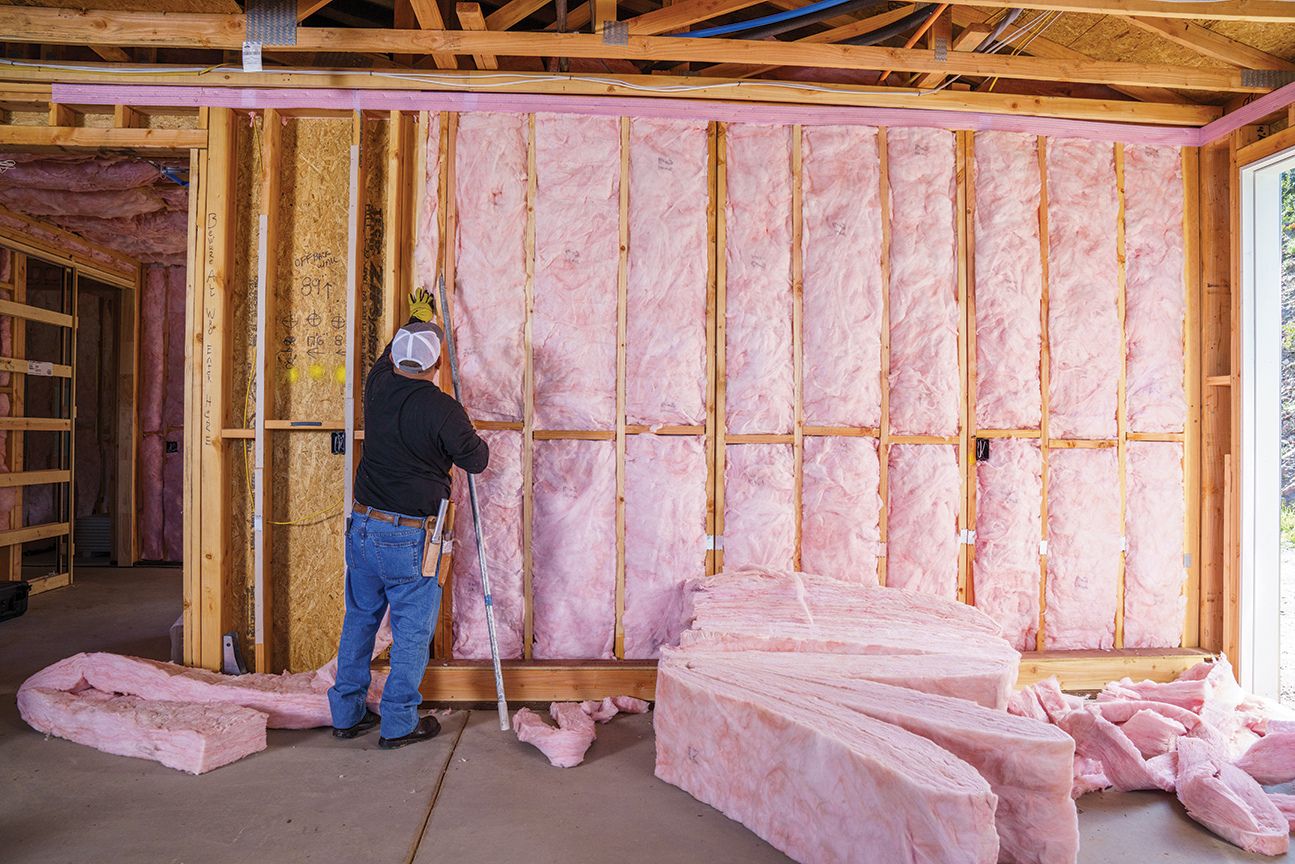
- They check for compressed fiberglass batts in the attic.
- They search for dirty spots on insulation that indicate air filtering through gaps.
- They inspect the weather stripping on all exterior doors.
- They look for daylight through cracks in the garage or basement.
Using Thermal Imaging to See Heat Escape
Insulation Specialists rely on infrared technology to find hidden problems inside walls. These cameras detect heat signatures rather than light, showing cold spots as dark blue and warm spots as yellow or red. In a Klamath Falls winter, a cold spot on an interior wall clearly shows where the filling is missing or has shifted over time.
This technology allows them to inspect a home without tearing down drywall or pulling up floorboards. It is a non-invasive way to verify if walls have adequate coverage or if there are empty cavities. They can also find overheated electrical circuits or moisture buildup using these same tools.
- The cameras identify “thermal bridges” where wood studs conduct cold into the room.
- Scans find gaps at the top of wall plates where heat leaks into the attic.
- Technicians locate missing sections of material behind heavy furniture or appliances.
- The equipment detects moisture that reduces the effectiveness of a thermal barrier.
Measuring Air Leakage With Blower Door Tests
A blower door test is an effective tool used by an insulation contractor to measure the airtightness of a building. They install a large fan into an exterior doorway that pulls air out of the house, lowering the inside pressure. This force pulls outside air through every crack and hole in the structure, making leaks easy to find.
While the fan is running, the expert uses smoke pens or infrared cameras to see where air enters. Common leak points include electrical outlets, recessed lighting, and plumbing stacks. This test provides a specific number representing the air changes per hour, which tells a property owner exactly how leaky their home is compared to modern standards.
- The fan creates a temporary vacuum to pull air through hidden gaps.
- The test quantifies the total leakage area of the entire building.
- Experts test the effectiveness of seals around chimneys and flues.
- The process reveals leaks in the ductwork that waste heated air.
Bonus Tip for Klamath Falls Homeowners
Because Klamath Falls sits in a high desert region, the temperature swings between day and night are extreme. Property owners should request a diagnostic test during the early morning hours when the temperature difference is greatest. This creates a higher contrast for thermal cameras and makes it much easier to see exactly where heat is moving through walls.
Comparing Modern Insulation Solutions for Energy Efficiency
| Solution Type | Primary Benefit | Best Use Case | Expected Longevity |
|---|---|---|---|
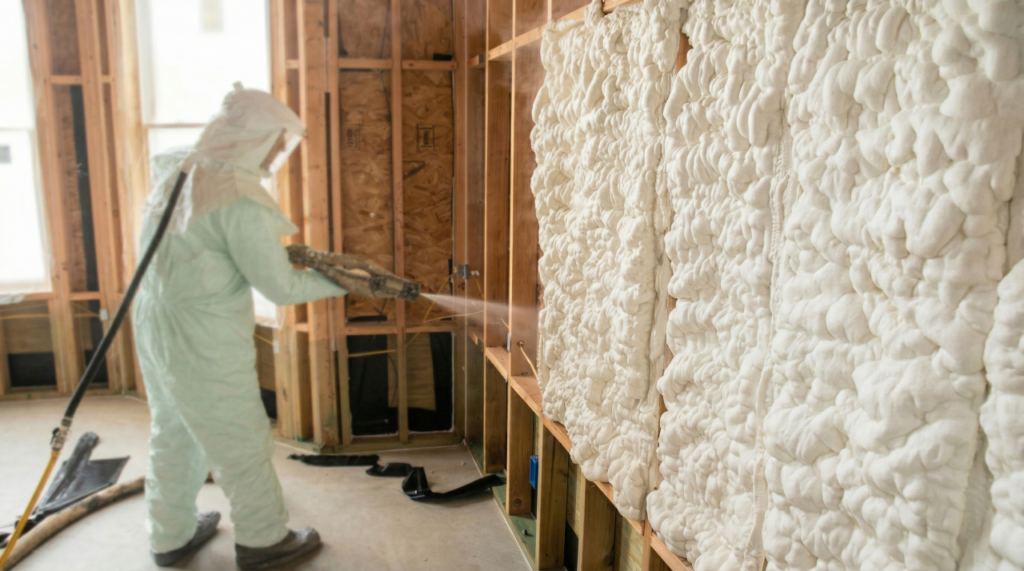
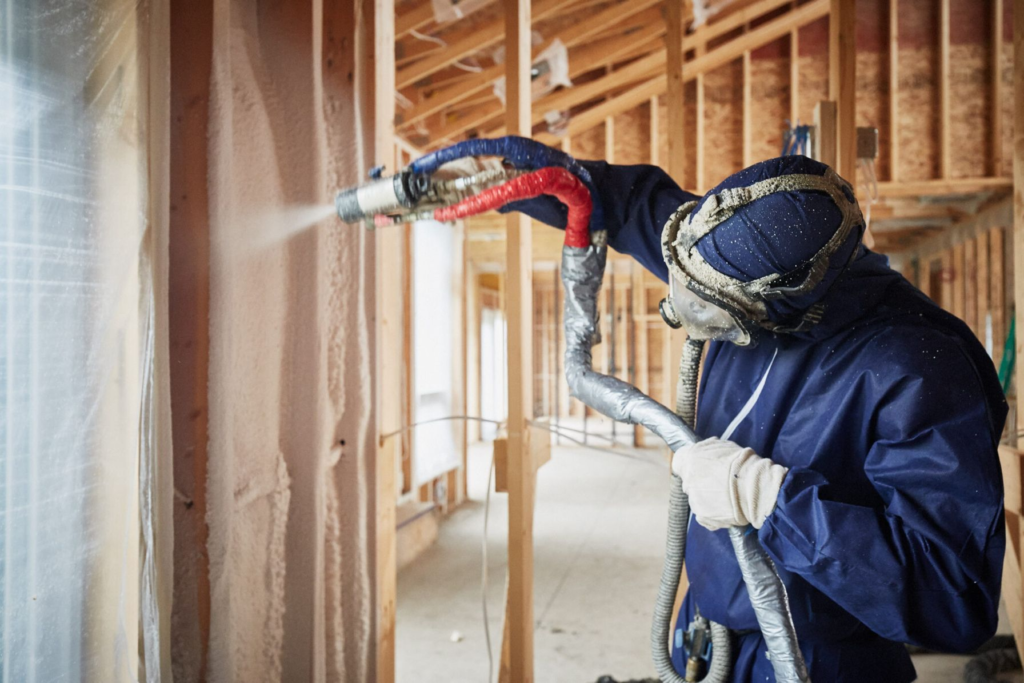
| Spray Foam | High R-value and air seal | Rim joists and unvented attics | Lifetime of structure |
| Fiberglass Batts | Cost-effective and DIY friendly | Standard wall cavities | 20 to 30 years |
| Blown-In Cellulose | Fills irregular gaps well | Attic floors and existing walls | 20 to 25 years |
| Rigid Foam Board | Constant R-value per inch | Exterior sheathing or basements | 50+ years |
How Klamath Falls Weather Impacts Diagnostic Results
The local climate plays a major role in how Insulation Specialists interpret their findings. With winter temperatures often dropping below freezing, the “stack effect” is more pronounced here. Warm air rises and escapes through the roof, while cold air is sucked in through the basement or crawl space. Experts look for these specific pressure patterns.
In the summer, the intense high-altitude sun beats down on roofs, often pushing attic temperatures above 130 degrees. Professionals check for radiant heat transfer that can overwhelm air conditioning. They evaluate whether a home needs reflective barriers or increased ventilation to handle these specific regional conditions.
- Experts analyze snow melt patterns on the roof to find heat loss points.
- They check for ice damming caused by poor attic ventilation.
- Technicians evaluate moisture levels in crawl spaces during the spring thaw.
- The team measures the impact of wind-driven air infiltration on the windward side of the house.
Checking For Moisture and Mold Issues
A professional audit also includes a check for moisture, which is a major threat to thermal efficiency. Wet material does not hold heat well and can lead to structural rot or mold growth. Insulation Specialists use moisture meters to check the wood framing and the insulation itself for hidden dampness.
In many older homes in the region, poor ventilation in the attic causes condensation when warm interior air hits the cold roof deck. Finding these moisture spots is just as important as finding heat leaks. It ensures that the new insulation solutions installed will last for decades without failing or causing health issues for the occupants.
Things to Think About Before Hiring a Professional
Before bringing in an expert, homeowners should gather utility bills from the last two years. This data helps the contractor see patterns in energy use and identify which seasons are the most expensive. High gas bills in winter usually point toward attic and wall issues, while high electric bills in summer might suggest ductwork or window problems.
Property owners should also check for any visible signs of pests or leaks in the attic before the inspection starts. Clearing out storage areas so the technician can reach the corners of the attic and crawl space will lead to a much more accurate report. A clear workspace allows the professional to perform a thorough check of the entire building envelope.
- Homeowners review past utility costs to establish a baseline.
- They ensure access to all parts of the attic and crawl space.
- They identify “hot” or “cold” rooms that never feel comfortable.
- They check for any existing roof leaks that might damage new materials.
Bonus Tip for Attic Safety
If a home was built before 1980, it may contain older materials that require special handling. Property owners should not disturb old grey or white loose-fill material themselves. A professional insulation contractor should test it first to ensure the environment is safe for a full upgrade.
10 Steps to a Complete Home Energy Diagnosis
- An initial consultation covers comfort issues and high bills.
- Experts review historical energy consumption data.
- A full exterior walk-around checks the foundation and roofline.
- Technicians perform a detailed attic inspection including ventilation and baffle checks.
- They conduct a crawl space or basement evaluation for moisture and floor coverage.
- The team sets up the blower door and depressurizes the building.
- Infrared thermal scanning covers all interior walls and ceilings.
- They identify air bypasses around chimneys and plumbing.
- The process includes testing of mechanical systems and ductwork integrity.
- A final report provides prioritized recommendations for improvements.
Finding Professional Support for Your Home Efficiency
If a homeowner wants to stop paying for air that escapes the house, contacting a reliable service like All Foam & Insulation is a smart move. They help homeowners identify where money is going through detailed audits. They can be reached at (541) 826-9600 or by email at [email protected] to talk about a project. Getting a free quote from All Foam & Insulation, LLC is a great way to start a home improvement plan and ensure a house stays warm all winter.
Summary of Energy Diagnosis Steps
Diagnosing energy loss is a technical process that combines physical inspection with high-tech measurement. Experts use thermal cameras to see through walls and blower doors to pull air through hidden cracks. These methods allow them to create a map of exactly where a building is failing to hold heat. By focusing on the attic, walls, and crawl space, they ensure that every dollar spent on upgrades goes toward the most impactful areas. Homeowners should look for these detailed testing methods to ensure they get a high return on their home improvement investment. Evaluation of specific needs and long-term comfort goals is the best way to move forward with a more efficient property.
Common Questions About Energy Loss Inspections
How long does a professional energy audit take?
A typical inspection for a standard-sized home takes between two and four hours. This time allows the technician to set up equipment, run tests, and perform a physical walkthrough of all accessible areas.
Will a blower door test damage my home?
No, the pressure change is very slight and similar to the force of a strong wind. It is safe for windows and structural elements, though the technician will ensure all fireplaces are extinguished before starting.
Is thermal imaging accurate during the day?
It is most effective when there is a large temperature difference between inside and outside. While it works during the day, early morning or late evening often provides the clearest images in the Klamath Falls climate.
Can I find air leaks myself without a professional?
Homeowners can find large leaks by feeling for drafts or using a stick of incense near windows. However, professionals use specialized tools to find hidden leaks inside walls and attics that are impossible to detect by hand.
Why should I hire insulation specialists instead of a general handyman?
Specialists have the specific diagnostic equipment and training to interpret thermal data and airflow numbers correctly. They understand the science of how heat moves and can provide targeted solutions that save more money over time.