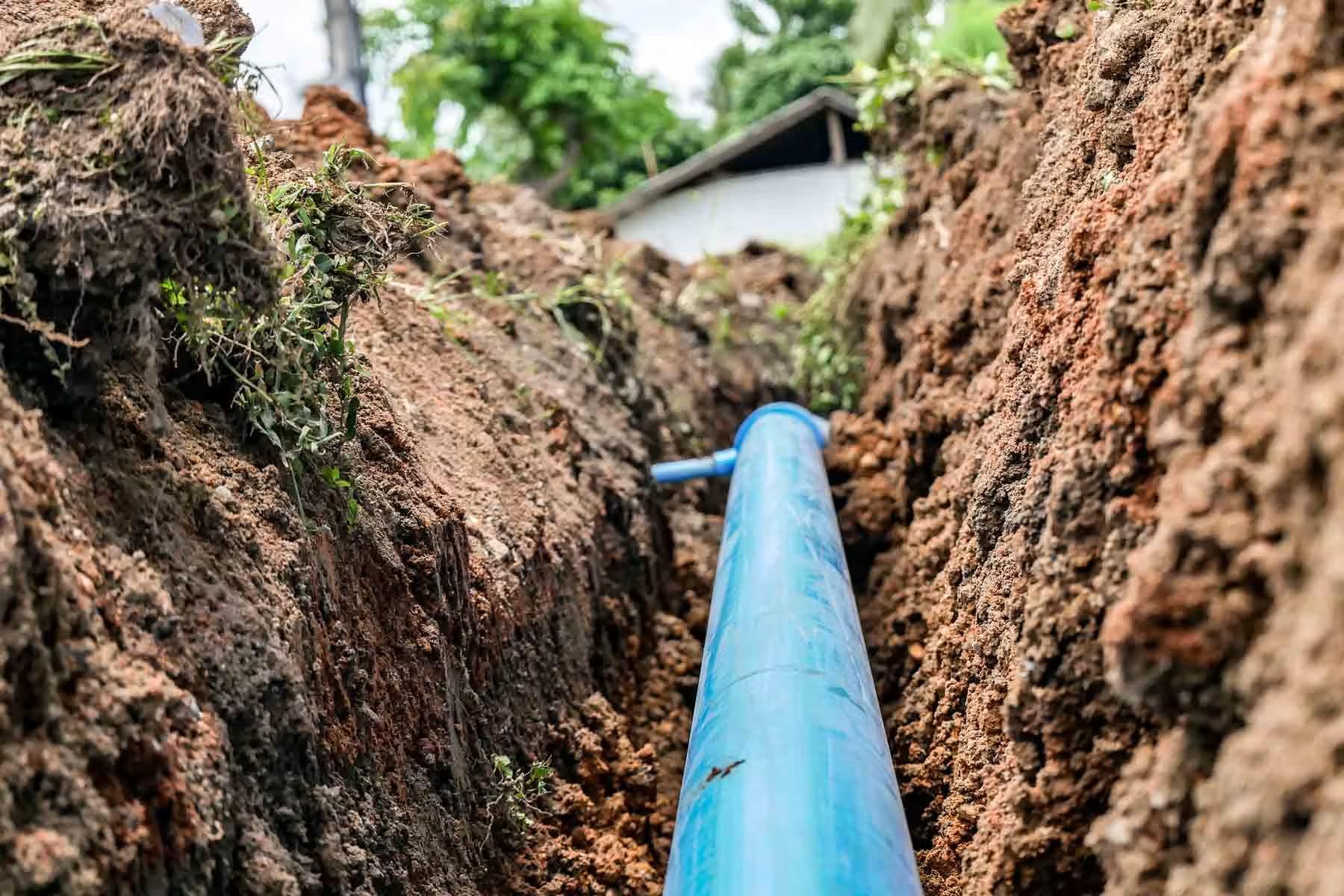
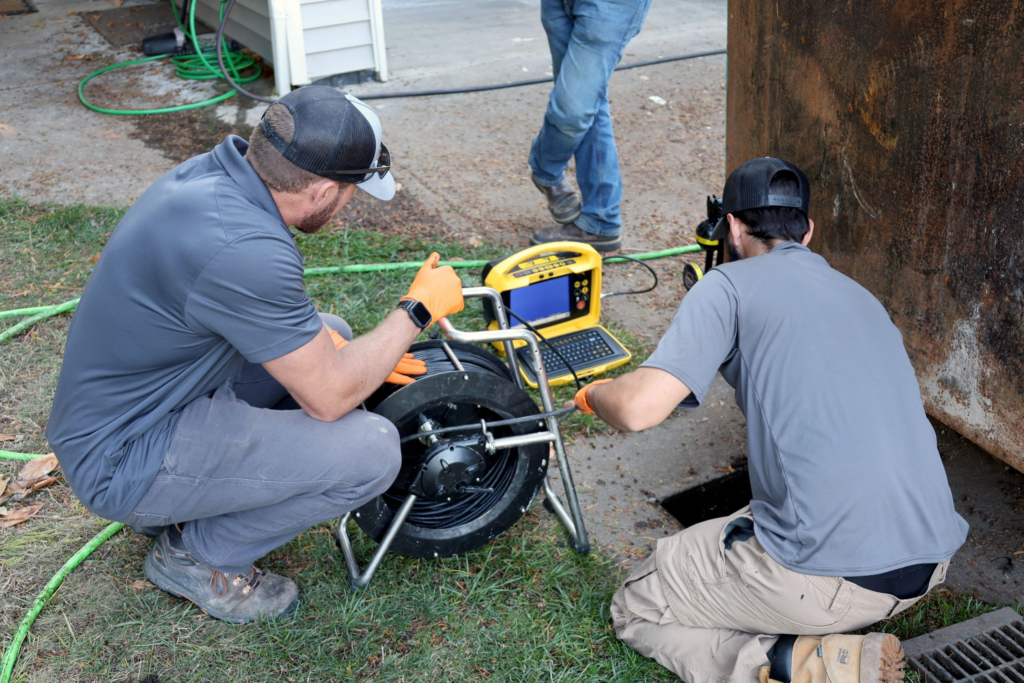
Plumbing experts use specialized equipment like acoustic sensors, thermal imaging cameras, and tracer gases to find leaks that are not visible to the naked eye. These tools allow them to find the exact source of a leak under concrete slabs or behind walls without causing unnecessary damage to your home. By using non-invasive technology, they ensure that repairs are targeted and efficient.
Detecting a leak early is the best way to prevent high water bills and structural damage. This guide explains the technical processes and tools used by professionals to keep your plumbing system in top shape. Understanding these methods helps you make better decisions when you suspect a water line issue on your property.
The technology used by plumbing experts to find leaks
Plumbing experts rely on high-tech gear because traditional “search and destroy” methods are too expensive and messy. Modern detection focuses on sound and temperature to identify where water is escaping from a pressurized pipe. Professionals receive specific training to interpret the data these tools provide, ensuring they do not dig in the wrong spot.
Acoustic listening equipment
Electronic listening devices are the most common tools used in the industry. Water escaping from a pipe under pressure creates a distinct vibration or hissing sound. Professionals use ground microphones and amplifiers to listen through soil, concrete, and floorboards.
Thermal imaging technology
Infrared cameras detect temperature differences on surfaces. If a hot water line has a leak, the heat spreads through the surrounding material. The camera shows a bright spot where the heat is most concentrated, which usually indicates the location of the break.
Tracer gas detection
When a leak is too small to hear, professionals might use tracer gas. They drain the water and pump a safe mixture of hydrogen and nitrogen into the pipes. Because these gas molecules are tiny, they escape through the leak and rise to the surface where a sensor detects them.
Why do you need professional leak detection immediately?
Small leaks often hide for months before they cause noticeable problems. Market data shows that household leaks can waste nearly 1 trillion gallons of water annually across the country. A single pinhole leak in a main water line can waste thousands of gallons of water in just one week.
Ignoring these issues leads to mold growth, foundation cracks, and wood rot. Professional plumbing services are designed to stop this cycle of damage before it becomes a financial burden. Identifying the problem early ensures that your property remains safe and your water bills stay manageable.
Signs you have a hidden water leak
- Your water bill increases suddenly without a change in usage.
- You hear the sound of running water when all faucets are off.
- There are damp or discolored spots on your floors or walls.
- The water meter dial moves even when no water is being used.
- You notice a musty odor or unexplained mold growth in your home.
Comparison of leak detection methods
| Method | Equipment Used | Best Application | Accuracy |
|---|---|---|---|
| Acoustic Detection | Ground Microphones | Under concrete or deep soil | High |
| Thermal Imaging | Infrared Cameras | Hot water lines behind walls | Medium |
| Tracer Gas | Gas Sensors | Tiny pinhole leaks | Very High |
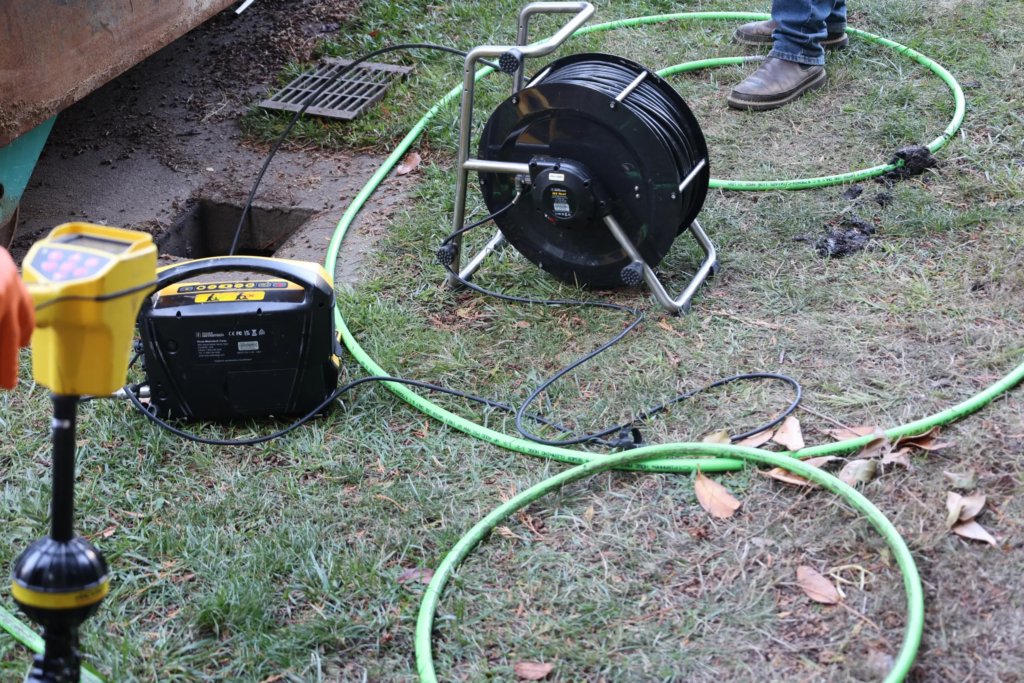
| Video Inspection | Sewer Cameras | Visual checks inside drains | High |
Regional guidance for Washington homeowners
Regional environmental factors influence how leaks develop and how they are detected. In the Pacific Northwest, the soil often contains heavy clay, which can shift during wet seasons. This movement puts stress on underground pipes, leading to cracks or joint separations. Homeowners in this region should be especially alert after a heavy freeze followed by a quick thaw.
Bonus Tip: If you live in an area with heavy rainfall, check your crawlspace or basement for standing water once a month. This helps you catch slow leaks that might be masked by the naturally damp environment of the region.
How soil conditions affect detection
The type of ground around your home changes how sound travels from a broken pipe. Sandy soil might muffle the sound, while hard rock or concrete carries the vibration much further. Experienced plumbing experts adjust their equipment sensitivity based on the local environment to get the most accurate reading possible.
The impact of pipe material
Older homes often have galvanized steel or copper pipes, while newer homes use PEX or PVC. Metal pipes carry sound better than plastic ones. A professional will often use different frequencies or tracer gases depending on what your pipes are made of to ensure they don’t miss a small breach.
Things to evaluate before you hire a plumbing company
Choosing the right provider is a big part of solving your plumbing issues. You should look for a plumbing company that offers a clear explanation of their detection process. Ask if they use non-destructive methods, as this saves you from paying for expensive floor or wall repairs later.
Check for proper licensing and insurance to protect your property. It is also helpful to see if they offer a full report of their findings. This report is useful if you need to file an insurance claim for water damage. A transparent provider will always give you a clear estimate before they start any repair work.
Bonus Tip: Ask the technician if they provide a warranty on their leak detection accuracy. Some companies offer a guarantee that their pinpointed location is correct within a certain radius.
Practical steps you can take today
If you suspect a leak, you can do a simple test yourself. Turn off all water inside and outside your house. Look at your water meter and record the number. Wait two hours without using any water, then check the meter again. If the number has changed, you definitely have a leak that requires professional water line repair services to locate and fix the problem before it leads to more extensive damage.
Another step is to check your irrigation system. Leaks in the yard are often overlooked. Look for patches of grass that are much greener or taller than the rest of the lawn. These “hot spots” are a sign that water is feeding the roots from an underground break.
Maintaining your water line for the long term
Preventive maintenance is the most effective way to avoid sudden leaks. Have a professional inspect your main line every few years, especially if your home is more than 20 years old. High water pressure is a leading cause of pipe failure, so consider installing a pressure regulator if your home does not have one.
Choose a specialist for your water line needs
When you suspect a hidden leak, it is best to rely on a professional plumbing company with the right tools. All Drain Solutions provides expert water leak detection and water line repair for homeowners who want fast and accurate results. They use advanced technology to find problems without turning your yard into a construction site. You can reach them at (253) 200-0451 or email [email protected] to schedule a visit.
Expert advice on managing hidden leaks
Finding a leak is only the first step toward protecting your home. You must act quickly to repair the damage and prevent further decay. Evaluating your specific needs and long-term goals for your plumbing system will help you choose the best repair method. Whether you need a simple patch or a full replacement, getting professional help ensures the job is done right the first time.
Common questions about finding water leaks
How long does it take to find a hidden leak?
Most professionals can find a leak within one to three hours, depending on the size of the property and the complexity of the plumbing.
Will my insurance cover leak detection?
Many homeowners’ insurance policies cover the cost of finding the leak and repairing the damage it caused, though they may not cover the pipe repair itself.
Can a leak under a concrete slab be fixed?
Yes, professionals can use trenchless methods or targeted digging to repair slab leaks once they have found the exact location.
Are smart leak detectors worth the investment?
Smart sensors can alert you to water flow changes immediately, which is a great preventive measure for modern homes.
What happens if a leak is left alone?
Undetected leaks lead to structural rot, high utility costs, and potential sinkholes on your property over time.