Summary
Quick action after indoor flooding can make the difference between a simple cleanup and a major restoration project. The first 48 hours are critical because mold can begin forming almost immediately in damp conditions. Professional emergency response teams use specialized tools, moisture control techniques, and targeted drying methods to stop mold before it spreads. Understanding how this process works helps property owners act quickly and protect their space from long-term damage.
Introduction
When water enters a home or business unexpectedly, the clock starts ticking right away. Moisture seeps into walls, flooring, and hidden spaces faster than most people realize. Within a short window, this damp environment becomes the perfect place for mold to grow and spread.
That is why immediate water damage response is not just helpful but essential. Acting within the first 48 hours significantly reduces the risk of mold, structural damage, and costly repairs. Knowing what happens during this timeframe can help you make faster, smarter decisions when emergencies occur.
Why The First 48 Hours Matter Most
The initial response period after water exposure is the most critical phase for preventing long-term issues. Mold spores are naturally present in the air, and they only need moisture and a suitable surface to begin growing.
Rapid Mold Development Timeline
Mold can begin forming in as little as 24 to 48 hours after water exposure. This means delays in cleanup allow spores to settle and multiply quickly. Once mold takes hold, it spreads into porous materials like drywall, insulation, and carpets, making removal far more complex.
Hidden Moisture Risks
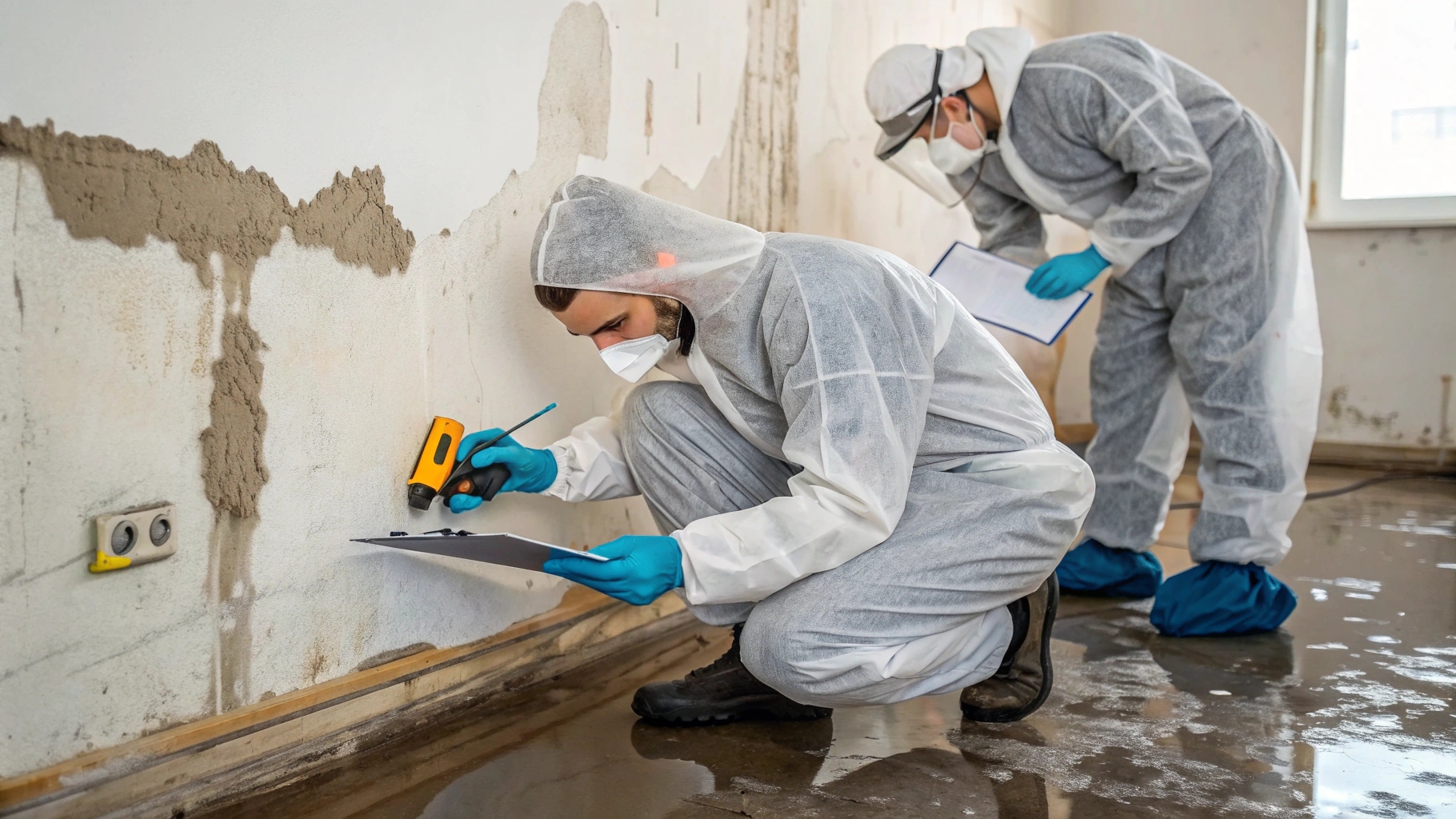
Even if surfaces appear dry, moisture can remain trapped behind walls or under flooring. These hidden pockets create ideal conditions for mold growth without visible warning signs. Professional responders use moisture detection tools to locate and address these risks early.
Immediate Water Extraction Techniques
Removing standing water is the first and most important step in controlling moisture levels. Without this step, all other efforts become less effective.
High Powered Extraction Equipment
Emergency teams use industrial pumps and vacuums designed to remove large volumes of water quickly. These tools are far more effective than household equipment and significantly reduce drying time.
Preventing Material Saturation
Fast extraction limits how deeply water can penetrate materials. This helps preserve structural elements like wood framing and reduces the likelihood of materials needing full replacement.
Advanced Drying And Dehumidification
After water removal, the focus shifts to eliminating remaining moisture from the air and surfaces. This stage is crucial for stopping mold growth before it begins.
Air Movement And Circulation
Professionals place high speed air movers strategically to promote evaporation. Proper airflow ensures that damp areas dry evenly and prevents moisture from lingering in isolated spots.
Industrial Dehumidifiers
Dehumidifiers pull moisture from the air, lowering humidity levels to a point where mold cannot thrive. Maintaining controlled humidity is one of the most effective ways to halt mold development.
Cleaning And Antimicrobial Treatments
Drying alone is not always enough to fully prevent mold. Surfaces must also be cleaned and treated to eliminate potential contaminants.
Surface Sanitization
All affected areas are cleaned to remove dirt, bacteria, and organic matter that can support mold growth. This step creates a cleaner environment that discourages microbial activity.
Preventive Antimicrobial Application
Specialized treatments are applied to inhibit mold spores from developing. These products provide an added layer of protection during the vulnerable early stages after water exposure.
Monitoring And Moisture Detection
Ongoing assessment ensures that no hidden moisture remains after initial cleanup efforts. This step is often overlooked but plays a major role in long-term prevention.
Moisture Mapping Technology
Professionals use advanced sensors and infrared tools to track moisture levels throughout the property. This allows them to identify areas that still need attention before mold can form.
Follow Up Inspections
Rechecking moisture levels over the next day or two confirms that drying efforts were successful. If any damp spots remain, they can be addressed immediately before becoming a problem.
Conclusion
Fast action after indoor flooding is the most effective way to stop mold before it starts. The combination of water removal, controlled drying, and preventive treatments creates an environment where mold cannot develop easily. Professional services specializing in water damage Alexandria VA, bring the tools and expertise needed to respond within this critical window. By addressing both visible and hidden moisture, they help protect structures, reduce repair costs, and maintain a safer indoor space.
FAQs
Q: How quickly can mold start growing after water exposure?
A: Mold can begin growing within 24 to 48 hours if moisture is not properly removed.
Q: Can I prevent mold without professional help?
A: Small spills can be managed, but larger water issues often require professional equipment to fully remove hidden moisture.
Q: What is the most important step in preventing mold?
A: Removing water quickly and thoroughly is the most important step in stopping mold growth early.