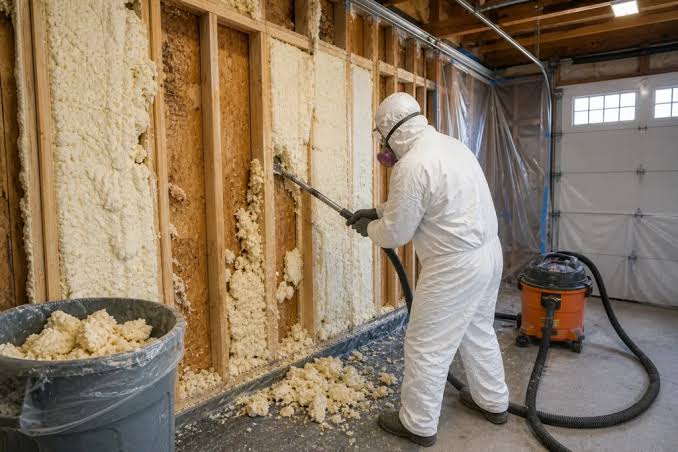
Negative air pressure systems prevent airborne contaminants from escaping the attic into living spaces during attic cleanouts. By creating a lower pressure zone in the work area, air is drawn into the attic rather than pushed down into your home. This process guarantees that dust, pest waste, and fiberglass fibers remain contained during professional insulation removal services and are safely vented outside.
If you are planning to upgrade your home attic, understanding this safety process helps you choose the right contractor. Removing compromised fiberglass or cellulose requires specialized equipment to protect your household from toxic particles. This guide explains how professional crews manage airflow to keep your indoor environment completely clean during attic cleanups.
The Mechanics of Negative Air Pressure in Attic Spaces
To establish negative air pressure, technicians seal off all access points between the attic and the living spaces below. They then connect a high-powered vacuum to the attic, pulling air out of the space at a rapid rate. This action creates a pressure drop, which means air from the rest of your home will flow toward the attic, moving from high-pressure living areas to the low-pressure work zone if any tiny gaps exist.
How the Vacuum Effect Works
When a vacuum hose is placed in the attic, it pulls old materials directly out of the building. This setup maintains a continuous pull of fresh air into the work zone, which stops contaminated air from drifting downward.
- Portable negative air machines pull dirty air through thick filters.
- The air pressure in the work zone is kept lower than the pressure in the rest of the house.
- Fresh air moves from clean areas into the work space to replace the exhausted air.
- Particulates are captured before they can settle on furniture or carpets.
Bonus Tip: Always ask your service provider if they use a certified negative air machine alongside their primary vacuum system to double the protection.
Why Controlling Airflow is Essential During Insulation Extraction
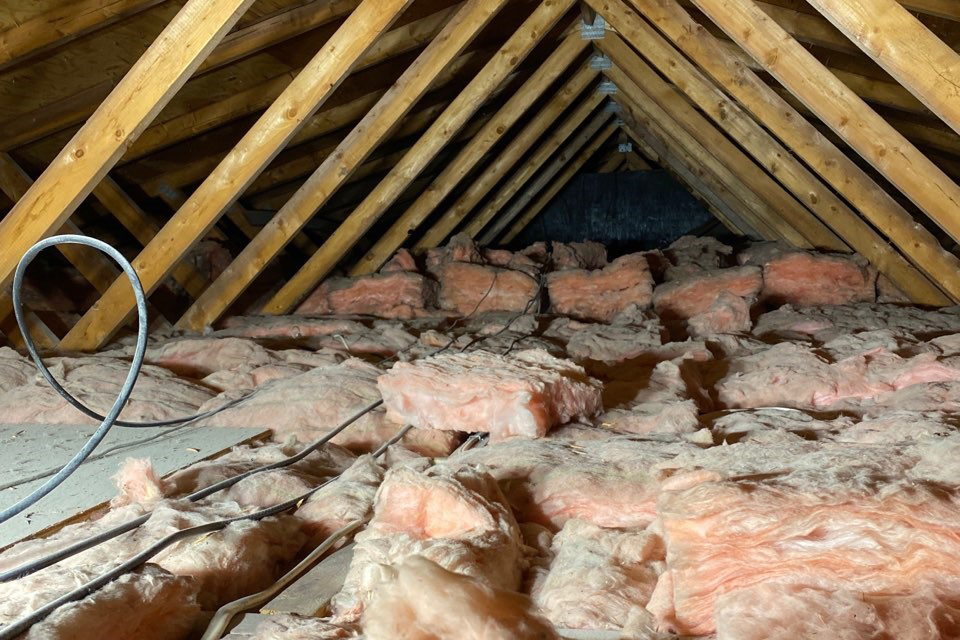
When removing old insulation, workers disturb decades of settled dust, rodent droppings, and mold spores. Without proper airflow control, these hazardous particles will quickly find their way through recessed lights and attic hatches. Using high-volume negative air machines ensures all airborne debris moves in one direction: straight out of your home.
Preventing the Spread of Contaminants
Rodent droppings and bird waste can carry harmful pathogens that become airborne when disturbed. Negative air systems trap these biological hazards before they reach your ductwork or living areas.
- Fiberglass particles can cause skin, eye, and lung irritation if inhaled.
- Mold spores can spread to other damp areas of your house and grow new colonies.
- Dust mites and allergens are thoroughly contained within the filtration unit.
Protecting Indoor Air Quality
According to clean air studies, indoor air pollution can spike up to ten times during home renovations if proper containment is not used. Employing these advanced Insulation Removal Solutions keeps your air safe to breathe throughout the entire project.
Bonus Tip: Ensure the team seals off all HVAC registers in the attic before starting the vacuum to prevent dust from entering your heating and cooling system.
Technical Specifications of Air Pressure Equipment
Professional crews rely on heavy-duty vacuums and negative air machines with HEPA filters to handle attic cleanouts safely. These machines must move massive amounts of air quickly to maintain the proper pressure differential.
Below is a breakdown of the typical equipment specifications that demonstrate why professionals require such specialized tools during attic cleanups.
| Equipment Type | Typical Airflow Capacity | Filtration Level | Main Purpose |
|---|---|---|---|
| Primary Insulation Vacuum | 5,000 to 7,000 CFM | Dust Bag / Collection Tank | Pulling bulk insulation materials out |
| Negative Air Machine | 1,000 to 2,000 CFM | 99.97% HEPA Filtration | Capturing fine airborne dust particles |
| Containment Barriers | N/A | Plastic Sheeting (6-mil) | Sealing attic hatches and entryways |
This equipment must run continuously during the work. This constant operation prevents any backward airflow that could let dust leak into the living spaces below. These specialized machines are necessary for high-quality Insulation Removal Services because standard home vacuums cannot handle the volume of debris.
Key Steps Taken by Professionals During Extraction
Executing a safe cleanup requires a methodical approach to ensure negative pressure is maintained from start to finish. Professionals follow a strict protocol to secure the home before turning on any heavy machinery.
Sealing the Work Zone
The crew will first seal the attic access door with heavy plastic sheeting and zippers. They also block off any vents that connect directly to the home’s living areas.
- Zipper doors allow workers to enter and exit without losing negative pressure.
- Magnetic closures help maintain a tight seal during heavy foot traffic.
- Redundant plastic layers prevent tearing from sharp tools or equipment.
Setting Up the High Volume Vacuum
The vacuum hose is run from a truck parked outside directly into the attic. The negative air machine is then turned on to pull air through a HEPA filter, venting the clean air outside.
- The main vacuum pulls bulk materials directly into a secure collection bag outside.
- Negative air machines run simultaneously to scrub the remaining air.
- Technicians monitor the pressure levels to ensure no leakage occurs.
By choosing professional Insulation Removal Services, homeowners can rest assured that dirty attic air will not ruin their clean living spaces.
Important Factors to Evaluate Before Starting Your Attic Project
Before you hire a team to clean your attic, you should look closely at several factors that impact the safety of your home. Not all properties require the same approach, and different regional climates can change how projects are managed.
Assessing the Condition of Existing Materials
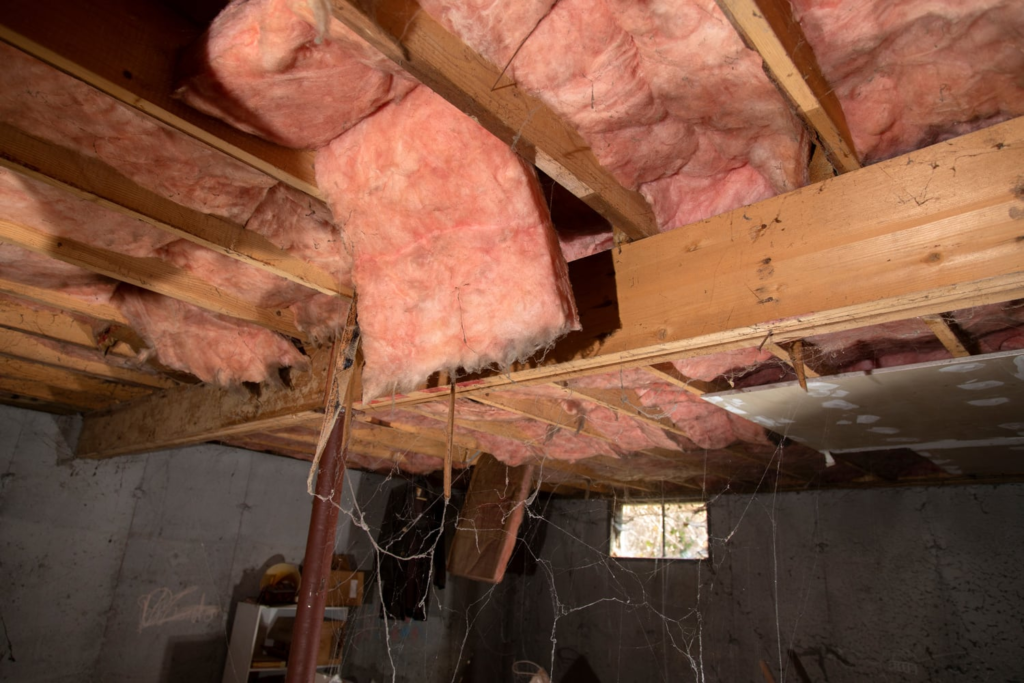
Wet or moisture-damaged insulation is much heavier and harder to remove than dry material. If you live in a high-humidity area, wet cellulose can stick to joists, requiring physical scraping alongside negative-pressure vacuums.
- Check for water leaks from the roof before scheduling any work.
- Note if the insulation has settled or turned black from mold growth.
- Wet materials must be bagged immediately to prevent moisture from spreading.
Identifying Potential Hazardous Substances
Older homes built before 1990 might contain asbestos or lead dust. If these materials are present, you must hire a specialized abatement team rather than a standard crew.
- Test any suspect plaster or older pipe wrap before disturbing attic floorboards.
- Ensure the crew uses true HEPA filters capable of catching microscopic hazards.
- Verify that the workers wear appropriate personal protective gear.
Using professional Insulation Removal Services is the safest way to address these challenges without exposing your family to danger.
The Value of Professional Attic Restoration
Upgrading your attic starts with a clean slate. Removing old, contaminated materials with negative air pressure systems ensures that your home remains safe and clean throughout the process. It prevents dust and allergens from migrating into your living spaces while paving the way for fresh, energy-efficient materials.
Take time to review your home’s current energy performance and air quality. If you notice drafts, uneven temperatures, or signs of pests, it is time to consult with an expert. Investing in a clean extraction process protects both your property value and your family’s health over the long term.
Contact Summit Thermal Solutions for a Professional Attic Evaluation and Estimate
If you are ready to upgrade your home attic, let an expert team handle the dirty work safely. Contact Summit Thermal Solutions at [email protected] or call (573) 889-3512 to schedule your inspection. Their trained technicians use high-powered negative air pressure systems to keep your home’s air clean during all Insulation Removal Services. Get your free quote today to start your home improvement project with confidence.
Common Questions About Attic Insulation Extraction
How long does the insulation extraction process take?
A typical attic cleanup takes between four and eight hours. The exact time depends on the size of your attic, the depth of the existing material, and the accessibility of the space.
Can you stay in your home during the extraction?
Yes, you can remain inside your home. Because negative air pressure keeps all dust and fibers inside the attic work zone, your living areas will remain safe and quiet during the project.
What happens to the old material after it is pulled out
The old material is pulled directly through the vacuum hose into large collection bags on the truck. The crew then hauls these bags to an approved waste disposal facility.
How do you know if your attic has contaminated air
If you have noticed mold growth, mouse droppings, or a musty odor coming from your vents, your attic air is likely contaminated. A professional inspection can confirm the condition of your attic.
Does removing old insulation lower your energy bills
Removing the old material itself does not lower bills, but it allows you to seal air leaks and install fresh material. This complete upgrade can reduce your heating and cooling costs significantly.