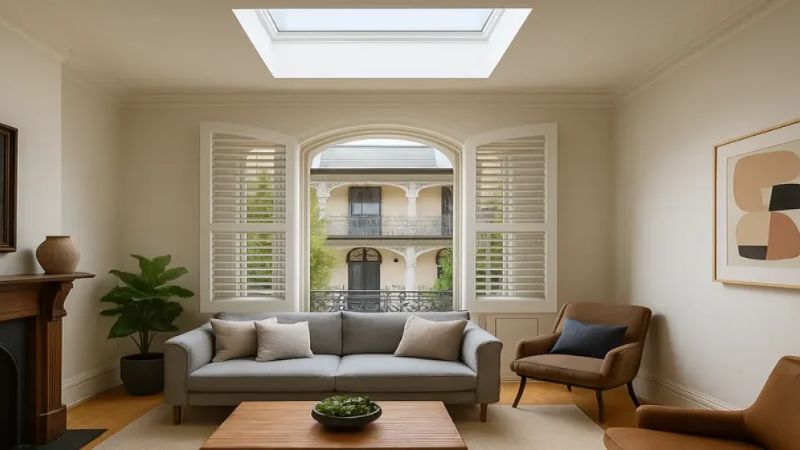
Anyone weighing up a renovation or new build in Sydney tends to land on the same set of questions before they even pick up the phone: will this cost too much, will it add value, and will the finished home actually work for daily life. The team you choose to answer those questions matters enormously, which is why finding the best residential architects Sydney has to offer is often the single decision that determines whether a project becomes a source of pride or a long-running headache. Below are the questions Sydney homeowners search for most, answered upfront with the practical benefit attached to each, before the article moves into the detail behind them.
Does hiring a residential architect actually increase my property’s resale value? Yes, in most cases. A well-considered design improves liveability and street appeal, both of which valuers and buyers respond to, often adding more value than the design fee itself.
Can an architect make a small or narrow Sydney block feel bigger? Yes. Through clever zoning, sightlines, and light planning, architects routinely make 100 to 150 square metre blocks live larger than their footprint suggests.
Will working with an architect mean a longer and more expensive build? Not necessarily. While design fees add an upfront cost, good architectural planning frequently prevents costly construction errors and variations, which can offset or exceed the design spend.
Is council approval harder with an architect-designed home? It is usually easier. Architects who work regularly within a particular council area understand local planning controls and heritage overlays, which tends to smooth the approval process rather than complicate it.
Do I need an architect for a renovation or only for new builds? Both benefit. Renovations, particularly those involving structural changes, extensions, or knock-down rebuilds, gain just as much from professional space planning as a ground-up build.
Understanding the Sydney Context
Sydney presents a particular set of constraints that architects elsewhere in Australia do not always contend with in the same combination. Blocks are frequently narrow and deep, especially in inner-city suburbs such as Surry Hills, Newtown, and Marrickville, where terrace housing was never designed with modern family living in mind. Coastal pockets like Manly, Bondi, and the Northern Beaches bring overshadowing rules and strict height controls tied to view sharing. Heritage conservation areas across the inner west and lower north shore add another layer of approval complexity. A residential architect working in this city needs to be fluent in all of these local realities, not just skilled at drawing attractive floor plans.
This is part of why experience within a specific council jurisdiction carries real weight. An architect who has lodged several development applications with, say, Inner West Council or Northern Beaches Council will already understand which design moves typically sail through and which ones invite objection. That local knowledge often shortens approval timeframes considerably, which has a direct flow-on effect on holding costs and overall project budget.
How Architects Maximise Space on Sydney Blocks
Space planning in Sydney rarely means simply adding square metres. Many of the most successful renovations involve reconfiguring existing floor area rather than expanding it. Architects achieve this through several recurring techniques.
Open-plan zoning that connects kitchen, dining, and living areas tends to make a home feel significantly larger without any change to the building envelope. Removing internal walls that previously chopped a terrace into a series of small, dark rooms is one of the most common and effective interventions in older Sydney housing stock.
Vertical thinking also plays a major role. Where a block cannot expand outward due to boundary setbacks or neighbouring structures, architects look upward, adding a second storey or converting an underused attic into a functional bedroom or study. Split-level designs are particularly useful on Sydney’s many sloping blocks, allowing architects to follow the natural fall of the land rather than fighting it with expensive cut-and-fill earthworks.
Built-in joinery and multipurpose rooms are another hallmark of space-conscious design. A study nook tucked into a stair landing, a banquette seat that doubles as storage, or a laundry concealed within a hallway cupboard all contribute to a home that feels considerably more spacious than its floor area on paper would suggest.
The Role of Natural Light in Design Outcomes
Light is arguably the single factor that most influences how a home feels day to day, and Sydney’s climate gives architects plenty to work with if the orientation is handled correctly. North-facing living areas capture the most consistent winter sun, while correctly positioned eaves and louvres prevent the same rooms from overheating during summer.
Skylights and light wells are particularly valuable on narrow terraces, where the middle of the house often sits a long way from any external wall. A well-placed light well above a staircase or bathroom can transform what was once the darkest part of a Victorian-era terrace into one of its more pleasant spaces. Glazing choices matter too; double glazing or low-E glass helps manage heat gain in western-facing rooms, which is a common challenge on blocks running east to west.
Architects also think about borrowed light, using internal glazing such as glass-panelled doors or clerestory windows to pass daylight from a sun-drenched room into an adjoining space that has no direct external access. This technique is especially useful in semi-detached and terrace renovations where adding new external windows is restricted by proximity to a neighbouring wall.
Property Value and Return on Investment
Sydney’s property market rewards homes that present well and function efficiently, and architectural design touches both of these factors directly. A renovation that opens up a cramped kitchen, adds a usable outdoor entertaining area, or introduces a second living zone tends to appeal to a broader pool of buyers, which supports stronger sale outcomes.
Beyond aesthetics, architects also reduce financial risk during construction. A thorough set of drawings and specifications gives builders less room for ambiguity, which in turn reduces the likelihood of costly variations once a project is underway. Many homeowners who initially hesitate at the design fee find that the documentation pays for itself by preventing rework, material wastage, or disputes over scope during the build phase.
Sustainability credentials are increasingly factored into valuations as well. Homes with good passive solar design, efficient insulation, and water-sensitive landscaping are becoming more attractive to buyers who are conscious of ongoing utility costs, particularly as energy prices remain a talking point across New South Wales.
Choosing the Right Architect for a Sydney Project
Homeowners comparing architects should look beyond a polished portfolio and ask about direct experience with similar block types and council areas. A practice that has navigated a heritage overlay in Paddington or a bushfire-prone site on the Northern Beaches brings practical knowledge that a generic portfolio image cannot convey. It is also worth asking how an architect handles the construction phase itself; some offer full contract administration, overseeing the builder through to completion, while others hand over documentation and step back once approval is granted.
Registration with the NSW Architects Registration Board is a basic but essential check, as is professional indemnity insurance. Beyond these formalities, the working relationship matters a great deal, since a renovation or new build typically spans many months and benefits from an architect who communicates clearly and responds promptly to questions as they arise.
Common Questions Sydney Homeowners Ask Architects
Q. How much do residential architects in Sydney typically charge?
A: Fee structures vary, with some charging a percentage of construction cost, commonly somewhere between seven and fifteen percent, while others work on a fixed fee or hourly basis depending on project scope.
Q, How long does the design and approval process usually take?
A: A straightforward renovation might move through design and a complying development certificate within a few months, while a new build requiring a full development application through council can take six months to a year before construction even begins.
Q. Can an architect help with a heritage-listed home?
A: Yes, and this is often where professional guidance becomes essential, since heritage controls dictate what can be altered, demolished, or extended, and an experienced architect knows how to achieve modern functionality while satisfying heritage requirements.
Q. Do architects work with a preferred group of builders?
A: Many do maintain relationships with builders they trust, though homeowners are generally free to engage their own builder, with the architect simply providing documentation thorough enough for any competent builder to quote and construct from.
Q. Is a building designer a suitable alternative to a registered architect?
A: For simpler projects this can work, though registered architects bring tertiary qualifications, professional indemnity cover, and accountability to a regulatory board, which becomes increasingly valuable as project complexity, heritage considerations, or council scrutiny increase.
Sydney homeowners who invest time in selecting the right architectural partner generally find that the upfront planning effort returns dividends well beyond the build itself, shaping a home that suits the way they actually live while standing up well under future market scrutiny.