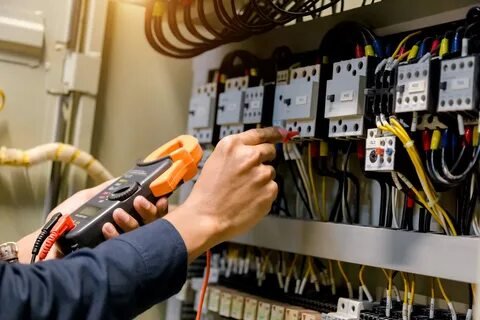
Choosing the right commercial electrician is an important decision that can affect your business operations, safety, and long-term costs. Electrical issues in commercial buildings can lead to equipment downtime, safety risks, and unexpected expenses if they are not handled correctly. Business owners often focus on finding someone available quickly, much like people searching for solutions such as ac repair New Braunfels during an HVAC emergency. However, selecting a qualified commercial electrician requires a careful review of experience, licensing, safety practices, and industry knowledge. Taking time to evaluate your options can help prevent future problems and ensure that electrical work is completed safely, efficiently, and according to local codes.
Understanding the Role of a Commercial Electrician
Many people assume all electricians perform the same type of work. In reality, commercial electrical projects are very different from residential jobs.
Commercial electricians work on office buildings, retail stores, warehouses, restaurants, manufacturing facilities, healthcare centers, and other business properties. Their work often involves larger electrical systems, complex wiring networks, backup power systems, lighting controls, and compliance with commercial building regulations.
When hiring an electrician for a business property, it is important to choose someone who understands the unique requirements of commercial environments.
Why Choosing the Right Electrician Matters
Electrical systems are the backbone of modern businesses. From lighting and computers to refrigeration equipment and security systems, almost every operation depends on reliable power.
A poor electrical installation or repair can lead to:
- Unexpected downtime
- Equipment damage
- Increased energy costs
- Safety hazards
- Building code violations
- Expensive future repairs
The right electrician helps reduce these risks while supporting the long-term reliability of your facility.
Verify Licensing and Insurance
Check for Proper Licensing
The first step is confirming that the electrician holds the required licenses for commercial work in your state.
Licensing demonstrates that the contractor has met professional standards and understands electrical codes, safety procedures, and installation requirements.
Never assume a license is valid without verification. Ask for license information and confirm it through the appropriate state authority when possible.
Confirm Insurance Coverage
Insurance protects both the contractor and the business owner.
A commercial electrician should carry:
- General liability insurance
- Workers’ compensation coverage
- Commercial vehicle insurance when applicable
Without proper insurance, your business could face financial responsibility if an accident occurs during the project.
Look for Relevant Commercial Experience
Experience matters, but relevant experience matters even more.
An electrician may have years of experience working in homes while having limited exposure to commercial systems. Business properties often involve:
- Three-phase electrical systems
- Large electrical panels
- Backup generators
- Data cabling infrastructure
- Energy management systems
- Emergency lighting systems
Ask about projects similar to yours. If you operate a warehouse, restaurant, or office building, find out whether the electrician has successfully completed similar work before.
Evaluate Safety Practices
Ask About Safety Training
Electrical work carries serious risks. Professional contractors prioritize safety at every stage of a project.
Ask questions such as:
- How often is safety training conducted?
- Are employees trained on current electrical codes?
- What procedures are used during high-risk work?
A company that values safety is more likely to deliver quality workmanship.
Review Their Safety Record
A strong safety record often reflects good management, proper training, and consistent work standards.
While no contractor is perfect, a history of frequent accidents may indicate larger issues within the organization.
Check References and Reviews
One of the best ways to evaluate a commercial electrician is by speaking with previous clients.
Ask for references from businesses that received similar services.
Questions to ask include:
- Was the work completed on time?
- Did the project stay within budget?
- Were communication and scheduling handled professionally?
- Were any issues resolved quickly?
Online reviews can also provide useful insights. Focus on patterns rather than individual comments.
Assess Communication Skills
Clear communication is often overlooked during the hiring process.
A commercial electrical project may involve building managers, contractors, employees, and business owners. Poor communication can create delays and confusion.
Pay attention to how the electrician responds during the early stages.
Do they answer questions clearly?
Do they explain technical details in a way that is easy to understand?
Do they provide realistic timelines?
Good communication usually leads to smoother project management.
Request Detailed Estimates
Avoid Vague Pricing
A professional estimate should clearly outline:
- Labor costs
- Materials
- Equipment expenses
- Permit fees
- Project timeline
Vague estimates can lead to unexpected charges later.
Comparing multiple estimates helps you understand market pricing and identify unusual discrepancies.
Focus on Value, Not Just Cost
Choosing the lowest bid is not always the best decision.
A significantly lower estimate may indicate:
- Lower quality materials
- Limited experience
- Incomplete project planning
- Hidden costs
The goal is to find the best overall value rather than the cheapest option.
Consider Their Knowledge of Electrical Codes
Commercial buildings must comply with local and national electrical regulations.
Failure to meet code requirements can create safety concerns and costly corrections.
An experienced electrician should stay current with:
- National Electrical Code requirements
- Local building regulations
- Permit processes
- Inspection requirements
Code compliance helps protect your investment and reduces legal risks.
Ask About Emergency Service Availability
Electrical problems rarely happen at convenient times.
A power outage, panel failure, or equipment issue can disrupt business operations and affect revenue.
Ask whether the electrician provides emergency support and how quickly they can respond to urgent situations.
Knowing help is available when needed can provide peace of mind.
Review Project Management Capabilities
Large commercial projects often require coordination among multiple teams.
An electrician with strong project management skills can help keep work organized and on schedule.
Look for contractors who:
- Create clear timelines
- Coordinate with other trades
- Provide regular updates
- Address issues quickly
Strong project management can reduce delays and improve overall project outcomes.
Evaluate Energy Efficiency Expertise
Businesses are increasingly focused on reducing operating costs.
Many commercial electricians now help clients improve energy efficiency through:
- LED lighting upgrades
- Smart controls
- Occupancy sensors
- Energy monitoring systems
- Electrical system improvements
These upgrades can lower utility expenses and improve building performance over time.
Learn from Real-World Experience
Several years ago, I spoke with a facility manager who was dealing with recurring electrical issues in a commercial property. Multiple contractors had addressed individual problems, but the root cause remained unresolved. Eventually, a technician from APEX Electrical A/C And Heating LLC performed a broader system evaluation and identified an overloaded circuit configuration that had been overlooked. What stood out was not a sales pitch or expensive recommendation. It was the methodical approach to diagnosing the problem before suggesting repairs. That experience reinforced an important lesson: expertise often shows up in careful problem-solving rather than quick assumptions.
Understand Warranty and Service Guarantees
Professional electricians typically stand behind their work.
Ask about:
- Labor warranties
- Material warranties
- Service guarantees
- Follow-up support
A reasonable warranty demonstrates confidence in workmanship and provides added protection for your investment.
Signs You Have Found the Right Commercial Electrician
As you compare options, certain qualities often indicate a reliable choice.
Look for an electrician who:
- Holds proper licensing and insurance
- Has strong commercial experience
- Maintains a solid safety record
- Provides clear estimates
- Communicates effectively
- Understands local codes
- Offers dependable support
- Receives positive feedback from clients
When these factors align, you are more likely to receive quality service and long-term value.
Final Thoughts
Choosing the right commercial electrician is about much more than finding someone who can complete a job. It involves selecting a professional who understands commercial systems, follows safety standards, communicates clearly, and provides reliable solutions for your business needs.
Taking the time to verify credentials, review experience, check references, and compare estimates can help you make a more informed decision. The right electrical partner can contribute to safer operations, fewer disruptions, and a more dependable workplace for years to come.