TL;DR: Choosing the right sound system for a large gala dinner requires matching speaker power and coverage to your venue size, understanding your audio needs (speeches, live music, or both), and working with experienced professionals. Poor audio can derail an otherwise flawless event—getting it right from the start makes all the difference.
A gala dinner is a high-stakes event. The venue is polished, the menu is planned, and the guest list is locked in. But when the evening’s host steps up to the microphone and their voice echoes awkwardly across the room—or worse, cuts out entirely—no amount of elegant centerpieces can save the moment.
Sound quality is one of the most underestimated elements of event planning. It shapes how guests experience speeches, live entertainment, and background music throughout the night. Get it right, and the evening flows seamlessly. Get it wrong, and it becomes the thing people remember.
This guide walks you through everything you need to know to choose the right sound system for a large gala dinner, from venue acoustics to speaker placement and professional support.
Why Event Production Companies in Abu Dhabi Prioritize Audio Planning Early
Audio planning is rarely the first thing on a gala organizer’s checklist, but it should be. Experienced event production companies in Abu Dhabi consistently flag sound setup as one of the most time-sensitive decisions in the planning process, simply because the right equipment needs to be sourced, tested, and configured well before the event day.
Large gala dinners come with unique audio challenges. Unlike concerts or conferences, galas blend multiple audio needs into one evening: background music during cocktail hour, live speeches at a podium, entertainment acts mid-event, and ambient sound during dinner service. Each of these requires different audio settings, and switching between them in real time demands a well-planned system.
Starting the audio conversation early also gives you time to visit the venue with your audio team, assess the acoustics, and identify any structural challenges that could affect sound quality.
What Audio Factors Do Event Companies in Abu Dhabi Consider for Gala Venues?
When event companies in Abu Dhabi assess a venue for a large gala dinner, they look at several key factors before recommending a sound system setup.
Venue Size and Capacity
The physical size of the space determines how much speaker power you need. A room holding 500 guests requires significantly more coverage than one holding 150. Larger rooms also mean greater distances from the speaker source to the farthest guest, which affects clarity and volume consistency.
As a general benchmark, a room with 300 to 500 attendees typically requires a line array speaker system or multiple distributed speakers to ensure even coverage across all seating areas.
Room Shape and Acoustic Properties
High ceilings, hard floors, and glass walls create reverberation and echo, which can make speech intelligibility very poor. Carpeted floors, drapes, and soft furnishings absorb sound and reduce echo. Knowing what kind of room you are working with helps your audio team choose the right speaker type and placement strategy.
Rooms with difficult acoustics often benefit from acoustic panels or directional speakers that project sound toward the audience rather than reflecting it off walls and ceilings.
Type of Audio Content
The content you are delivering shapes the equipment you need. Consider the following:
- Speeches and presentations: Clear vocal reproduction is the priority. A quality microphone setup, a reliable PA system, and a skilled audio engineer are essential.
- Live band or orchestra: This requires a full-scale sound reinforcement system with stage monitors, a mixing console, and enough output to fill the room without overpowering it.
- Background music and playlist: A distributed speaker setup with consistent low-level output works well here.
- Hybrid events with video: You will also need to integrate audio with video playback, which adds another layer of coordination.
What Are the Key Components of a Gala Dinner Sound System?
Understanding the core components helps you have more informed conversations with your audio vendor.
Speakers
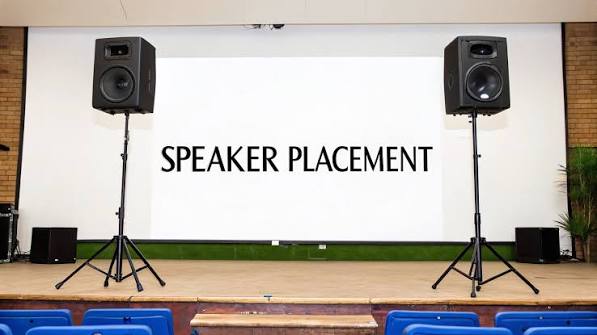
For large events, line array speakers are a popular choice. They distribute sound evenly across long distances and reduce the risk of hot spots (areas where sound is too loud) and dead zones (areas where it is too quiet). Subwoofers can add depth if your event includes live music or DJ entertainment.
For very large or irregularly shaped venues, a delay speaker system may be needed. These are additional speakers placed further into the room, synchronized with the main speakers to maintain clarity at greater distances.
Microphones
Choose microphone types based on how they will be used:
- Handheld wireless microphones work well for presentations and award ceremonies.
- Lapel (lavalier) microphones are ideal for keynote speakers or hosts who need to move freely.
- Podium microphones are fixed and reliable for formal speeches.
- Table microphones may be needed for panel discussions or Q&A segments.
Always have backup microphones on hand. Equipment failure during a live event is rare but can happen.
Mixing Console and Audio Engineer
A digital mixing console allows your audio engineer to adjust levels in real time, manage multiple audio sources, and respond quickly to any issues. For a large gala, having a dedicated audio engineer is not optional. This is the person who balances volume across zones, manages microphone handoffs, and ensures transitions between segments sound smooth and professional.
Cables, Stands, and Signal Processing
These are the behind-the-scenes essentials that make the system function reliably. Quality cables, DI boxes (for connecting instruments or playback devices), and signal processors like equalisers and compressors all contribute to clean, consistent sound.
Helpful Tips for Getting Gala Dinner Audio Right
Here are practical tips to keep in mind as you plan your sound setup:
Book your audio team early. Sound equipment and skilled engineers book out fast, especially for weekend events. Lock this in as early as you would your venue.
Conduct a full site visit. Never spec a sound system without visiting the venue. Photos and floor plans do not capture acoustics or ceiling height accurately enough.
Request a sound check with speakers. If speakers are presenting or performing, schedule a dedicated sound check at least two hours before guests arrive. This allows time to make adjustments.
Avoid speaker placement near walls of glass. Glass reflects sound and creates feedback-prone environments. Your audio team should account for this in the setup.
Plan your cable runs in advance. Long cable runs need to be hidden, especially at formal gala events. Coordinate with your venue and decor team early.
Test all wireless frequencies. Wireless microphone interference is a real issue in venues that host multiple events simultaneously or near areas with high radio frequency activity.
Frequently Asked Questions
How much does a professional sound system cost for a large gala dinner?
Costs vary depending on event size, location, duration, and equipment required. For a large gala dinner with 300 or more guests, professional audio setup can range from a few thousand to tens of thousands of dollars. Getting itemised quotes from multiple vendors helps you compare value, not just price.
What is the difference between a PA system and a sound reinforcement system?
A PA (public address) system amplifies sound for speech and announcements. A sound reinforcement system is broader, designed to amplify and enhance all types of audio including music, live performances, and video, while maintaining natural sound quality. Most large galas need a full sound reinforcement setup.
How early should I book an audio team for a gala dinner?
For large events, aim to book your audio team at least six to eight weeks in advance. For peak seasons or complex setups, three to four months ahead is safer.
Do I need an audio engineer if I rent the equipment myself?
For a large gala dinner, yes. Managing live sound across multiple audio sources in real time requires experience. A single mismanaged audio moment during a keynote speech or award ceremony can significantly impact the guest experience.
What is audio zoning and do I need it for a gala?
Audio zoning means dividing a venue into separate audio areas, each with independent volume control. For galas with multiple spaces (cocktail area, main hall, outdoor terrace), zoning allows your team to manage sound appropriately in each area without affecting others. For multi-room events, it is highly recommended.
Final Words
A great sound system is invisible. When it works well, guests simply enjoy the evening. When it does not, the problems are impossible to ignore.
Choosing the right setup for a large gala dinner comes down to understanding your venue, knowing your audio content, and working with professionals who have done this before. From loudspeaker design and wireless audio equipment to event sound management and live audio mixing, every element plays a role in creating a smooth and memorable experience.
Start the audio conversation early, invest in quality, and do not skip the sound check.