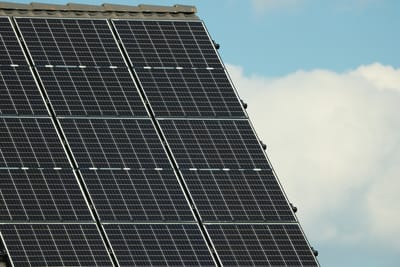
The rapid expansion of the residential renewable energy sector has empowered millions of homeowners to lock in predictable monthly utility costs, lower their environmental footprint, and secure true grid independence. However, this explosive growth has also led to a highly volatile business environment. Over the past decade, hundreds of fast-talking, high-volume solar sales outfits and fly-by-night installation companies have flooded the market, only to quietly shut their doors or declare bankruptcy a few years later.
For property owners who purchased their systems from these vanished entities, discovering that your original provider is no longer in business can be incredibly stressful. In the clean energy industry, these systems are known as “orphaned arrays.” When a component slips out of calibration, a wire degrades, or a monitoring application flatlines, these homeowners find themselves stranded without a clear path to service. Fortunately, being left behind by a bankrupt installer does not mean your clean energy investment is a total loss. By understanding how manufacturer hardware warranties operate and knowing how to align with a stable partner specializing in long-term maintenance and certified local solar panel installation infrastructure, you can easily restore your array to peak health and safeguard your long-term energy savings.
The Reality of the Orphaned Solar Market
Finding out that your original clean energy provider has disappeared usually happens at the worst possible moment—typically right after a severe weather event or when an unexplained spike rolls through your monthly electric bill. When you call the customer service number only to find it disconnected, or see that the company’s website has been taken down completely, it is completely natural to feel a sense of panic. Many homeowners assume that if their installer is gone, their valuable twenty-five-year equipment warranties have completely vanished with them.
In reality, it helps to understand that a residential solar system relies on two completely separate layers of warranty protection. The first layer is the workmanship warranty, which was backed exclusively by your original installation company to cover localized roof penetrations and physical labor mistakes. This is the only portion of your coverage that disappears when a company closes. The second, far more valuable layer is the manufacturer’s hardware warranty. Premium manufacturing giants back their silicon modules, central inverters, smart microinverters, and storage batteries for twenty to twenty-five years. These hardware warranties remain fully active and legally binding regardless of what happens to the specific company that physically bolted the brackets to your roof shingles.
The Operational Hurdles of the Orphaned System Market
While your hardware warranties remain safe, getting a manufacturer to ship out a replacement part or authorize a warranty repair requires passing a strict technical screening process. Component manufacturers will never ship high-voltage electrical parts directly to a consumer’s doorstep, nor will they honor a warranty claim based on a homeowner’s casual description of a problem.
To prevent fraud and ensure public safety, manufacturers require that a comprehensive technical diagnostic audit be executed by a licensed professional using specialized testing instruments. The technician must document exact open-circuit voltage readings, take infrared thermal scans of isolated component failures, and upload certified error logs directly from the system gateway. For an orphaned homeowner, the true challenge isn’t getting the manufacturer to agree to replace a broken part; it is finding a highly competent third-party specialist willing to step into an unfamiliar workspace, take over the technical tracking, and manage the complex warranty administration from start to finish.
Step-by-Step Recovery Plan for Orphaned System Owners
If your original renewable energy provider has abandoned your property, you can regain control of your asset and protect your financial return on investment by executing a structured, five-step technical recovery protocol.
Step 1: Secure Your Historical Physical Documentation
Gather every single piece of paperwork related to your initial home transition. Locate your original engineering blueprints, electrical line diagrams, municipal building permits, and the structural utility interconnection agreement. Most importantly, look for the comprehensive line-item equipment manifest that details the exact model numbers and serial numbers for your panels, inverters, and battery storage cells. Having these numbers ready is essential for verifying your hardware warranty status with manufacturers.
Step 2: Actively Audit Your Tracking Software Gateway
Log directly into your system’s smart monitoring application via your smartphone or desktop computer. If your application interface is still active, take screenshots of your historical generation trends and note any specific alphanumeric error codes or active system alerts. If your application display is completely dead or displays a permanent offline status, look directly at your physical inverter or gateway enclosure on the side of your home to see if a red fault light is illuminated.
Step 3: Conduct a Ground-Level Visual Inspection
Grab a pair of binoculars and carefully inspect your roof array from a safe vantage point on the ground. Look for obvious signs of physical storm damage, such as shattered protective glass or loose aluminum trim. Look closely beneath the panel edges to check for loose, hanging wire bundles or signs of nesting urban wildlife like squirrels or pigeons, which routinely chew through high-voltage insulation and trigger system shutdowns.
Step 4: Align with an Elite Local Service Team
Do not waste time calling general handymen or standard residential electricians who lack specialized clean energy training. Instead, search for a stable, deeply rooted partner that possesses an established background in comprehensive local solar panel installation engineering and long-term maintenance. Look for companies that are explicitly brand-agnostic and employ technicians holding advanced certifications from major component manufacturers.
Step 5: Execute a Professional System Recommissioning Audit
Have your chosen technical partner conduct a thorough, top-to-bottom diagnostic checkup. This includes executing wire insulation resistance tests to check for hidden short circuits, checking the physical torque on every structural roof bracket, and pushing critical factory firmware updates to your data gateway. Once this initial baseline is established, your new technical partner can smoothly take over all future warranty management and routine maintenance.
Choosing a Permanent Technical Partner for Long-Term Success
When selecting a third-party company to rescue your orphaned clean energy array, you must look far beyond cheap promotional pricing or flashy marketing claims. The company you choose will become the long-term guardian of an advanced financial asset that needs to protect your household budget for the next two decades.
Ensure your chosen provider possesses full state electrical contracting licensing, comprehensive general liability insurance, and a proven track record of serving your immediate geographic market. The best service providers operate as comprehensive local operators; they maintain direct technical service pipelines with premium hardware manufacturers, allowing them to fast-track replacement logistics and minimize your system’s downtime.
Conclusion: Reclaiming Your Clean Energy Security
Being abandoned by your original clean energy installer can certainly be incredibly frustrating, but it should never mark the end of your home’s renewable energy journey. The underlying technology on your roof remains an exceptionally valuable, high-performance asset that is fully capable of slashing your electricity bills for decades to come.
By moving away from uncertified contractors and aligning your property with a dedicated, structurally stable service partner that understands the intricate technical realities of advanced electrical design, you can easily erase the legacy of your original installer’s disappearance. Taking a proactive approach to system restoration ensures your roof remains completely watertight, protects your manufacturing hardware warranties, and allows your residential clean energy infrastructure to safely deliver maximum financial utility savings for years to come.