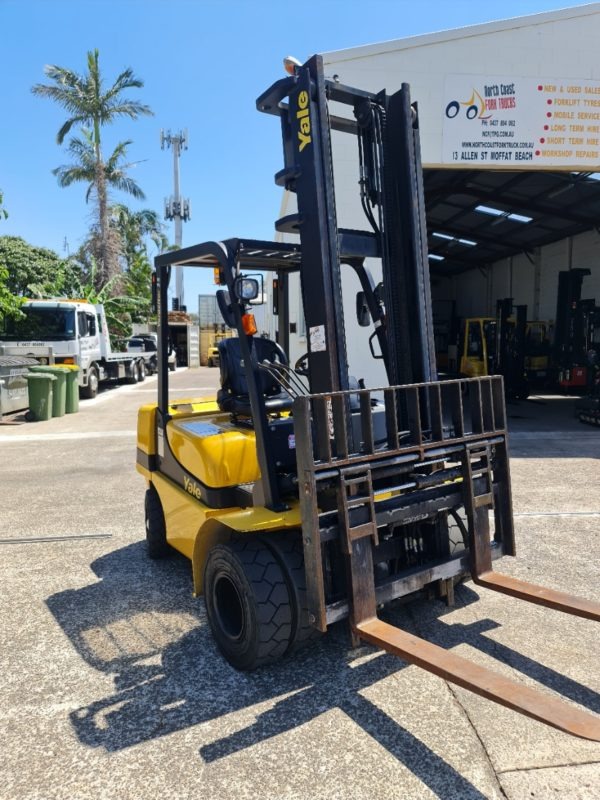
Running a business involves balancing productivity with expenses, and equipment costs often make up a significant part of that equation. For industries such as warehousing, logistics, manufacturing, and construction, forklifts are essential for daily operations. However, purchasing and maintaining equipment isn’t always the most cost-effective option. This is where forklifts rental can provide real value.
Instead of making a large upfront investment, renting forklifts gives businesses access to the equipment they need while keeping costs more predictable. Whether you’re managing seasonal demand or supporting a short-term project, the right rental strategy can help reduce operating expenses without compromising efficiency.
Why Equipment Costs Can Impact Your Bottom Line
Owning forklifts involves more than the purchase price. Businesses must also budget for servicing, repairs, insurance, storage, and depreciation. These ongoing costs can place pressure on cash flow, particularly for growing businesses or those with changing workloads.
Choosing forklifts rental allows businesses to use the equipment they need without carrying many of the long-term financial responsibilities associated with ownership.
Avoid Large Upfront Capital Investment
Buying a forklift requires a substantial financial commitment, which may limit funds available for other areas of the business.
Renting provides access to modern equipment for a manageable ongoing cost. This approach allows businesses to preserve working capital while still maintaining productive operations.
For many organisations, keeping cash available for staffing, inventory, or expansion projects offers greater long-term flexibility.
Match Equipment to Changing Workloads
Business demands rarely remain constant throughout the year.
Many companies experience busy periods during seasonal peaks, major projects, or unexpected increases in customer demand. Purchasing additional forklifts for temporary workloads may not provide good long-term value.
With forklifts rental, businesses can increase or reduce their fleet as operational requirements change, helping avoid unnecessary equipment sitting idle during quieter periods.
Reduce Maintenance and Repair Expenses
Maintenance is one of the most overlooked ownership costs.
As forklifts age, servicing requirements generally increase, and unexpected breakdowns can interrupt operations while generating additional repair expenses.
Professional rental providers typically maintain their equipment according to manufacturer recommendations, helping reduce the likelihood of mechanical issues. Many rental agreements also include servicing and breakdown support, allowing businesses to avoid unexpected maintenance costs.
Minimise Downtime
Equipment downtime often affects more than the forklift itself.
When a forklift becomes unavailable, loading schedules, warehouse operations, deliveries, and staff productivity can all be impacted.
Working with a reliable rental provider gives businesses access to well-maintained equipment and support services if problems arise. In many cases, replacement equipment can also be arranged, reducing disruption to daily operations.
Choose the Right Forklift for Every Job
Using equipment that is too small or too large for a task can reduce efficiency and increase operating costs.
Rental gives businesses the flexibility to select equipment suited to each application rather than relying on a single forklift for every job.
Examples include:
- Electric forklifts for indoor warehouses
- LPG forklifts for mixed indoor and outdoor use
- Diesel forklifts for heavy-duty outdoor applications
- Rough terrain forklifts for construction sites
Matching the equipment to the work improves productivity while reducing unnecessary fuel or operating expenses.
Reduce Storage and Fleet Management Costs
Owning multiple forklifts also requires space to store and manage them when they are not in use.
For businesses with fluctuating workloads, rental helps avoid maintaining equipment that may remain unused for extended periods.
A smaller permanent fleet supported by rental equipment during busy periods often results in more efficient resource management.
Improve Budget Planning
Unexpected repair bills and equipment replacement costs can make budgeting difficult.
Rental agreements generally provide more predictable operating expenses because businesses know the expected rental cost in advance.
This consistency makes financial planning easier and reduces the risk of unexpected capital expenditure.
Compare Ownership and Rental Costs
The best option depends on how frequently a forklift is required.
| Consideration | Forklifts Rental | Ownership |
|---|---|---|
| Upfront investment | Low | High |
| Maintenance responsibility | Often included | Business responsibility |
| Equipment flexibility | High | Limited |
| Fleet expansion | Easy | Requires purchasing |
| Long-term commitment | Low | High |
For businesses with changing operational needs, rental often provides greater financial flexibility.
Work with an Experienced Rental Provider
Reducing operating costs isn’t only about selecting the lowest rental price.
An experienced provider can recommend equipment that suits your workload, helping avoid overspending on unnecessary capacity or choosing equipment that limits productivity.
Look for a provider that offers:
- Well-maintained equipment
- Flexible rental terms
- Responsive service support
- A wide equipment range
- Industry knowledge
These factors often contribute more to long-term value than the daily rental rate alone.
Plan Ahead to Maximise Savings
Planning equipment requirements before busy periods allows businesses to secure suitable forklifts when they are needed.
Early planning also gives rental providers time to recommend the most appropriate equipment for your workload, reducing the likelihood of hiring machines that are either underpowered or unnecessarily large.
Reviewing upcoming projects and seasonal demand can help identify opportunities where rental provides a more economical solution than purchasing additional equipment.
Conclusion
Managing operating costs is about making informed decisions that support both productivity and financial stability. For many Australian businesses, forklifts rental offers a practical way to reduce upfront investment, minimise maintenance expenses, improve budgeting, and adapt to changing workloads.
At North Coast Forklifts, we provide reliable forklift rental solutions tailored to the needs of businesses across Queensland. Whether you require equipment for a short-term project or ongoing operational support, our team can help you find a rental solution that keeps your business moving efficiently while helping manage operating costs.