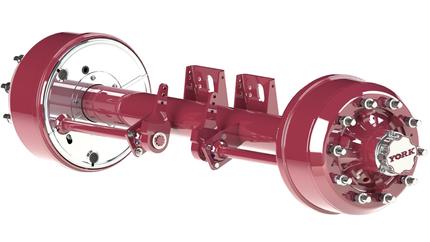
A vehicle axle plays an important role in transferring power from the differential to the wheels while supporting smooth movement on the road. When an axle becomes damaged, worn, or affected by an accident, replacing it becomes necessary to maintain safe vehicle operation. For many vehicle owners, the first thought is to purchase a brand-new axle. However, used axles can also be a suitable option when they are sourced from vehicles that have been inspected and dismantled correctly. This case study explains how one Sydney car owner solved an axle replacement problem by choosing a suitable used axle. It highlights how used axles can help maintain older vehicles, reduce unnecessary waste, and provide another repair option for drivers looking for replacement components.
The Vehicle Problem
Michael owned a 2014 sedan that he had maintained for many years. The vehicle was still in good condition, but during a routine inspection, his mechanic found that one of the rear axles had developed damage. The mechanic explained that continuing to drive with a damaged axle could affect vehicle performance and may create further repair issues. Michael wanted to repair the vehicle because the engine, transmission, and other major systems were still working well. Replacing the entire vehicle did not seem practical, so he started exploring axle replacement options.
Considering Different Axle Replacement Options
When searching for a replacement axle, Michael found two main options: buying a brand-new axle from a manufacturer or finding a suitable used axle from a vehicle recycler. A new axle was available but came with a higher cost. Since the rest of his vehicle was in good condition, he looked into used axles as another option. His mechanic explained that many vehicles removed from service still contain working components. Some cars are dismantled because of accident damage, insurance write-offs, or other reasons unrelated to every individual part. This means parts such as axles can still have useful working life.
Finding the Correct Used Axle
The most important step was finding an axle that matched Michael’s vehicle specifications. The mechanic checked details such as vehicle make, model, manufacturing year, drive type, axle position, and part number. Matching these details helped ensure the replacement axle was suitable for installation. A correct match reduces fitting issues and helps maintain the original design of the vehicle.
Visit for more used auto parts in sydney: https://www.impelautoparts.com.au/
Inspecting the Used Axle Before Installation
Before the axle was installed, it was inspected carefully. The inspection process included checking for signs of cracks, physical damage, rust, joint condition, splines, and general wear. The mechanic also compared the replacement axle with the damaged one to confirm both components matched. After passing inspection, the axle was installed on the vehicle.
The Repair Result
After installation, Michael’s vehicle returned to normal operation. The replacement axle worked with the existing drivetrain system, allowing the vehicle to continue running without replacing other major components. Instead of removing a vehicle that still had many useful years remaining, he was able to repair the specific issue and continue using it. This case shows how choosing the right replacement component can help solve a repair problem without unnecessary changes.
Why Used Axles Can Be a Suitable Choice
Axles are built to handle significant loads and are designed for long-term use. When a vehicle is dismantled, an axle may still be in good condition even if another part of the vehicle has been damaged. For example, a vehicle involved in a front-end accident may still have usable rear drivetrain components. Suitable used axles can come from vehicles that have accident damage in another area, mechanical issues unrelated to the axle, reached the end of their road use, or been dismantled for recycling. The condition of each axle depends on its previous use and inspection results.
Supporting Older Vehicle Repairs
Many Australians continue driving older vehicles because they remain reliable and familiar. However, finding replacement components for older models can sometimes become difficult. Some parts may no longer be produced by manufacturers or may have longer waiting periods. Used axles provide another source for replacement parts, especially for vehicles that are several years old. They allow owners to repair existing vehicles instead of replacing them when only one component needs attention.
Reducing Automotive Waste Through Reuse
Vehicle recycling plays an important role in reducing waste. When a vehicle reaches the end of its road life, many parts can still be used again. Reusing components such as axles helps reduce the number of usable parts being discarded. Manufacturing new automotive components requires raw materials, energy, and production processes. Using existing vehicle parts helps make better use of resources that are already available.
What to Check Before Buying a Used Axle
Before purchasing a used axle, vehicle owners should check several important details. The axle must match the exact vehicle model and drivetrain setup. Buyers should inspect the physical condition and look for signs of damage, cracks, corrosion, or unusual wear. Checking part numbers also helps confirm that the axle is the correct replacement. Buying from a supplier that inspects dismantled vehicle components can help owners choose suitable parts.
Where to Find Used Axles for Sale in Sydney
When searching for used axles for sale Sydney, vehicle owners should look for suppliers that inspect their components before offering them to customers. Impel Auto Parts provides used vehicle components sourced from dismantled vehicles, helping repair workshops and car owners find suitable replacement parts for different makes and models. Choosing a matching axle can help complete repairs while making use of components that still have useful service life.
Lessons From This Case Study
Michael’s repair experience shows that replacing a damaged axle does not always require buying a brand-new component. A suitable used axle can provide a practical repair option when it is correctly matched with the vehicle, checked before installation, in suitable working condition, and sourced from a reliable supplier. Making informed decisions about replacement parts can help vehicle owners maintain their cars and avoid replacing parts that can still be reused.
Conclusion
Used axles can be a suitable choice for many vehicle repairs when they are selected carefully and inspected properly. Michael’s case demonstrates how one replacement component helped restore vehicle operation while allowing him to continue using a vehicle that still had many useful years remaining. For Sydney car owners facing axle replacement, exploring inspected used options can provide another way to repair vehicles while supporting the reuse of automotive components.